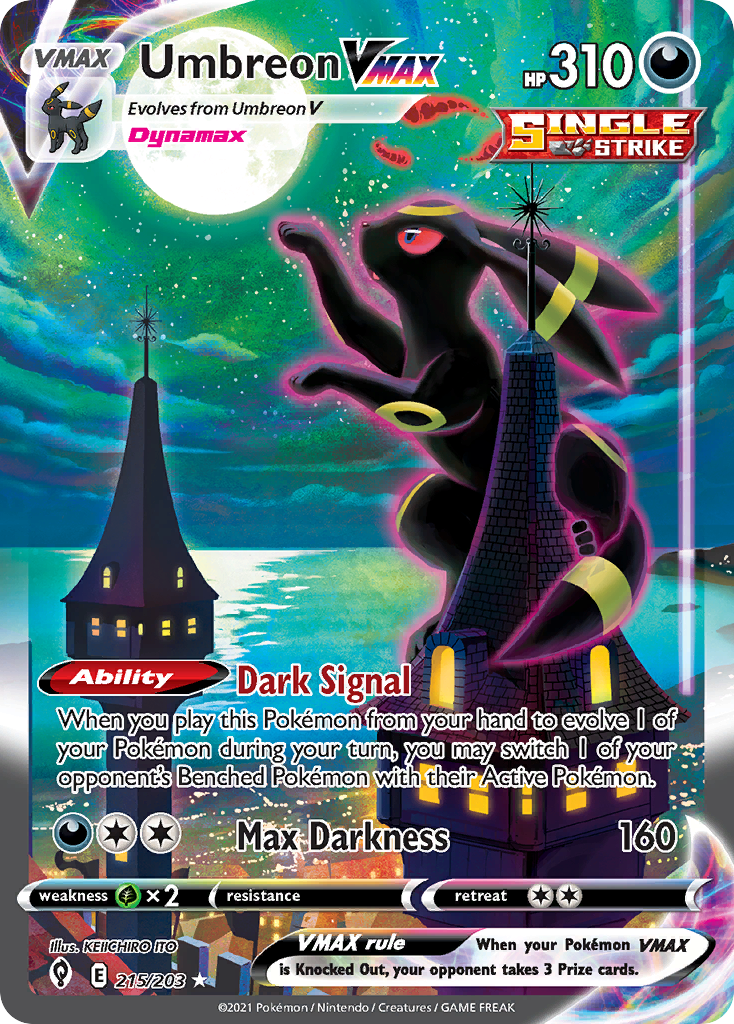
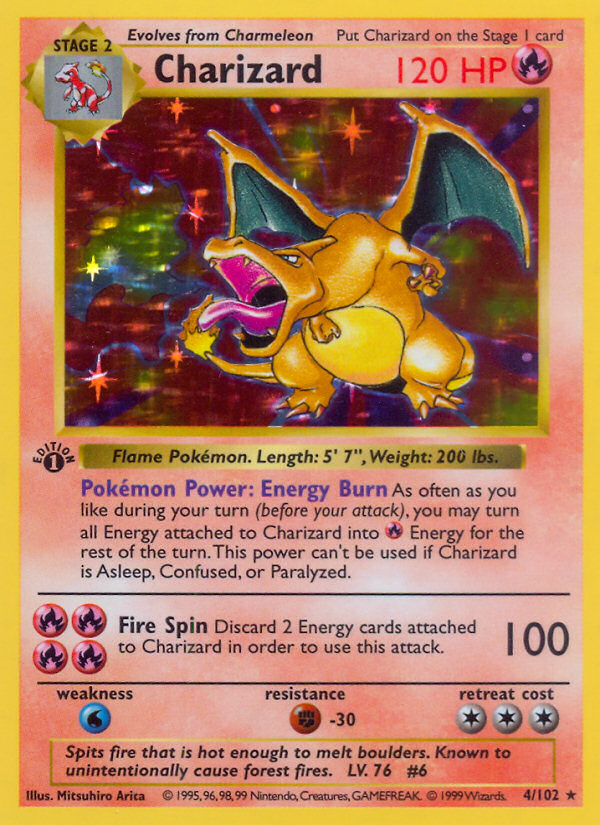
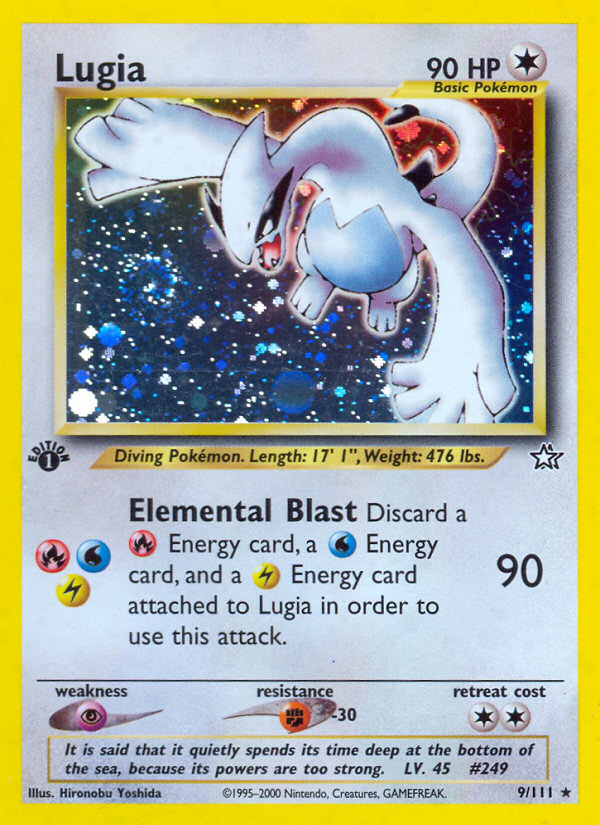
Four ways to read Pokémon card art.
Each family is a way into the catalogue — through a Pokémon, an illustrator, a set, or a shared visual feeling.
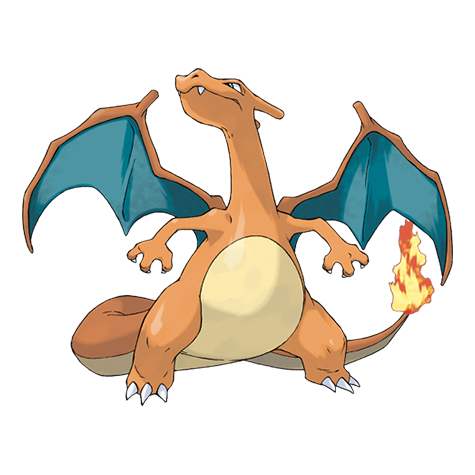
Pokémon Guides
Curated readings of one Pokémon through its card artworks.
Illustrator Guides
Artist-focused selections that explore signature style and visual language.

Set Guides
Editorial views of a set’s visual identity and standout artworks.
Visual Theme Guides
Cross-archive selections based on mood, composition, palette, and feeling.
Featured reading this season.
Guides selected by Artchu editorial — refreshed quarterly.
Pokémon cards that feel like paintings.
A cross-archive reading of the medium’s most painterly cards — composition before chrome, brush before frame.
Read guide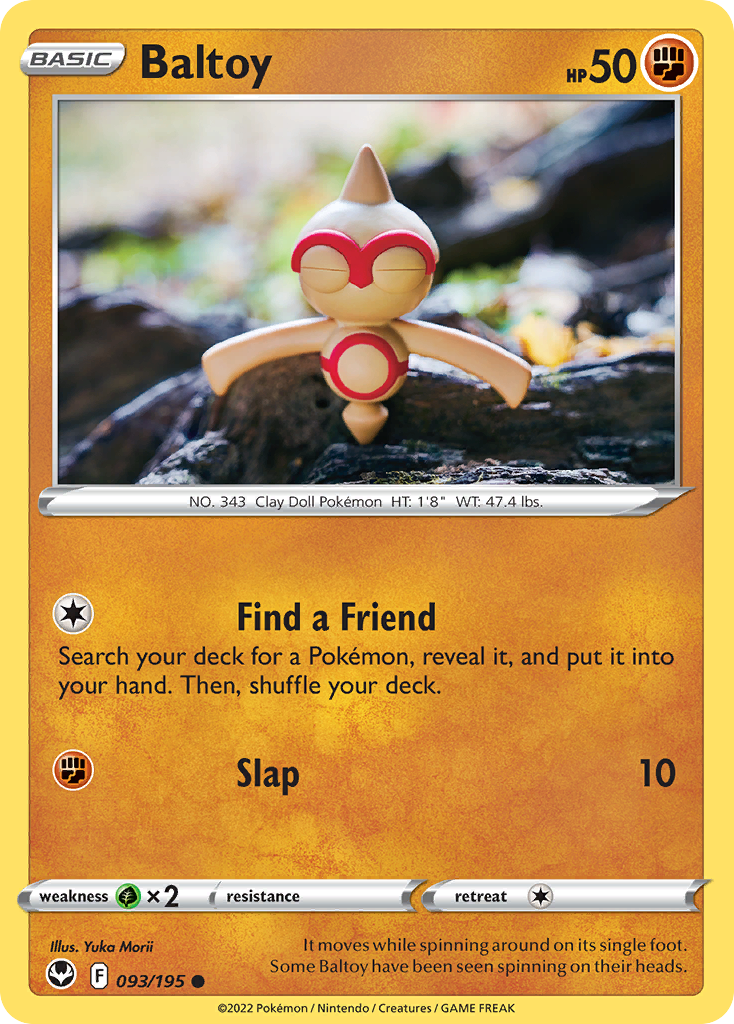
Yuka Morii and the clay-modelled Pokémon card.
Seven Pokémon cards by Yuka Morii — clay-modelled figures, photographed in real light, still-life staging at hand-scale.
Read guide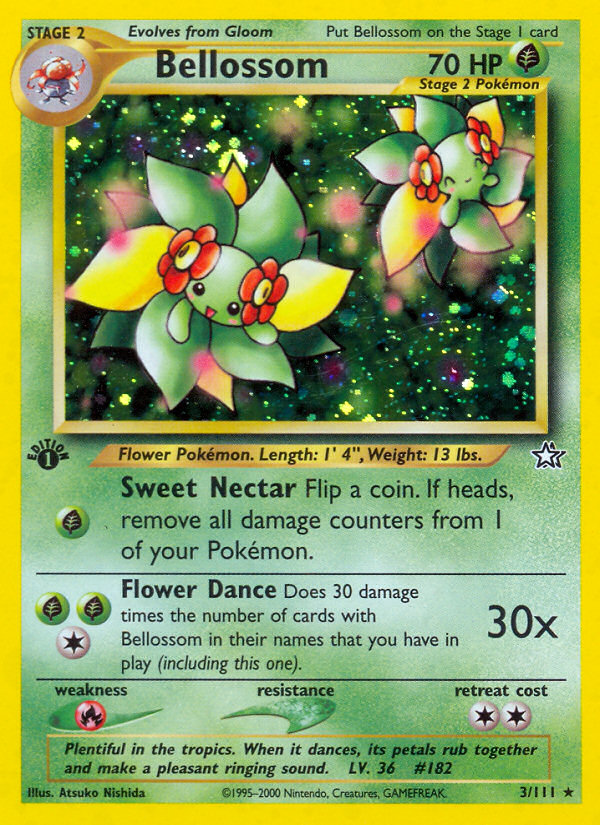
Neo Genesis and the second-generation image.
Six Pokémon cards from Neo Genesis — the second-generation visual turn: clearer silhouettes, calmer backgrounds, and bright restraint.
Read guideRecently curated.
Editorial additions to the guide archive.
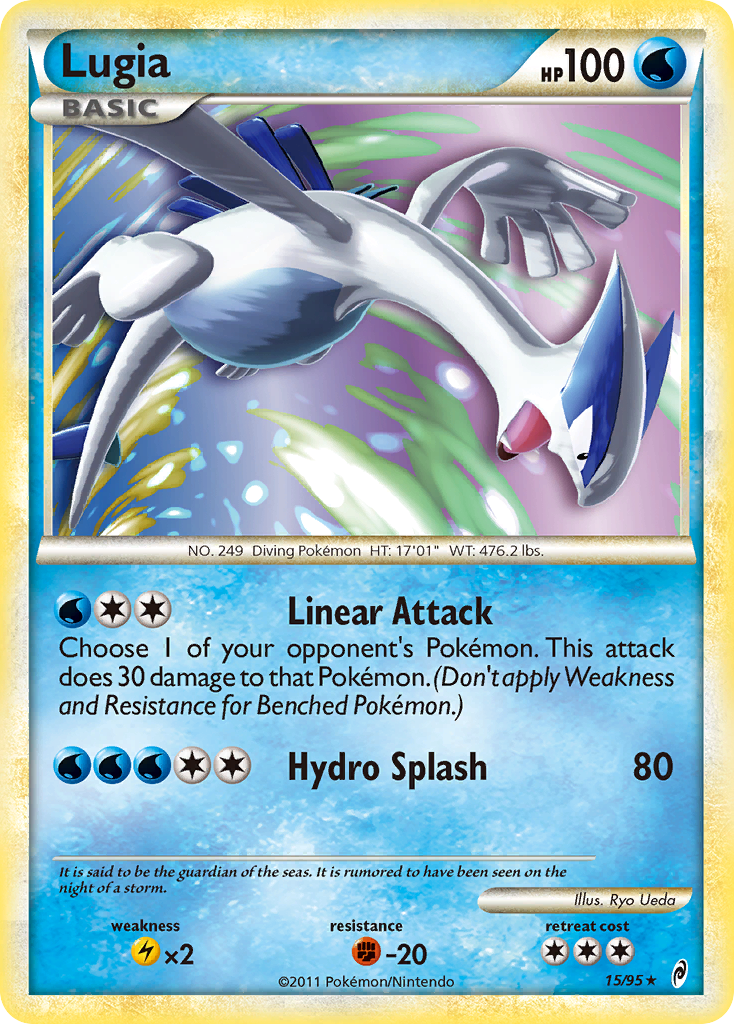
Lugia, and the open sky.
A problem of scale — a vast white body that needs sky, sea, and storm around it, and a lot of empty air, to read as enormous and alone.
Read guide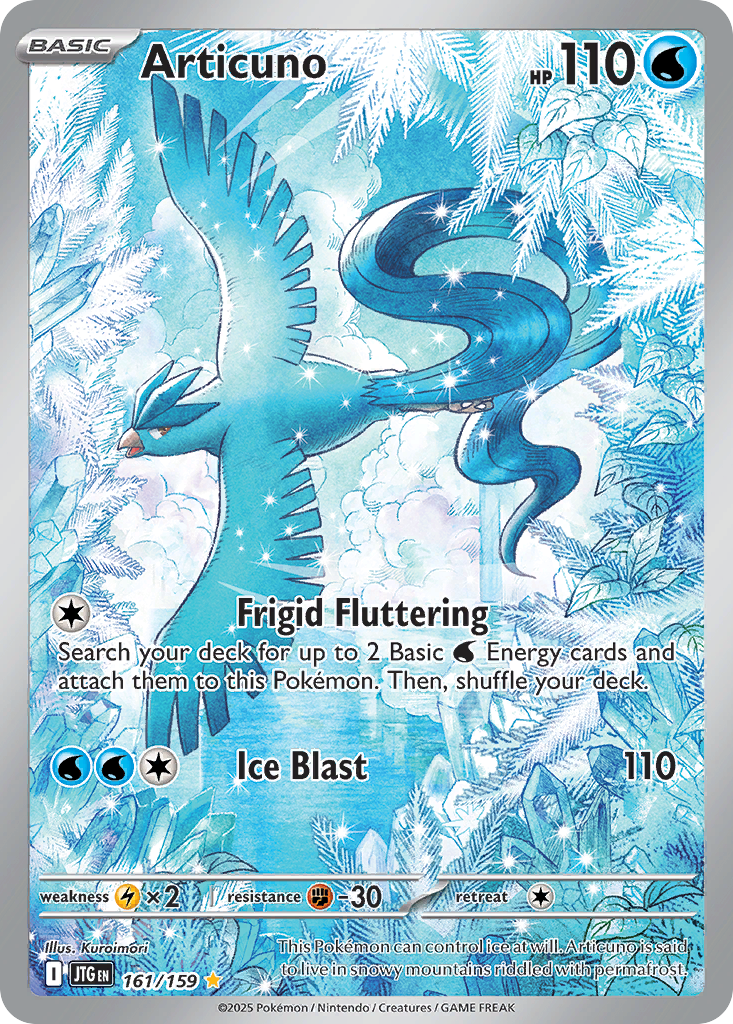
Pokémon cards painted in watercolour.
A reading of the cards that behave like real watercolour — wash, bloom, transparency, and bleeding edges, where the wet medium itself becomes part of the picture.
Read guide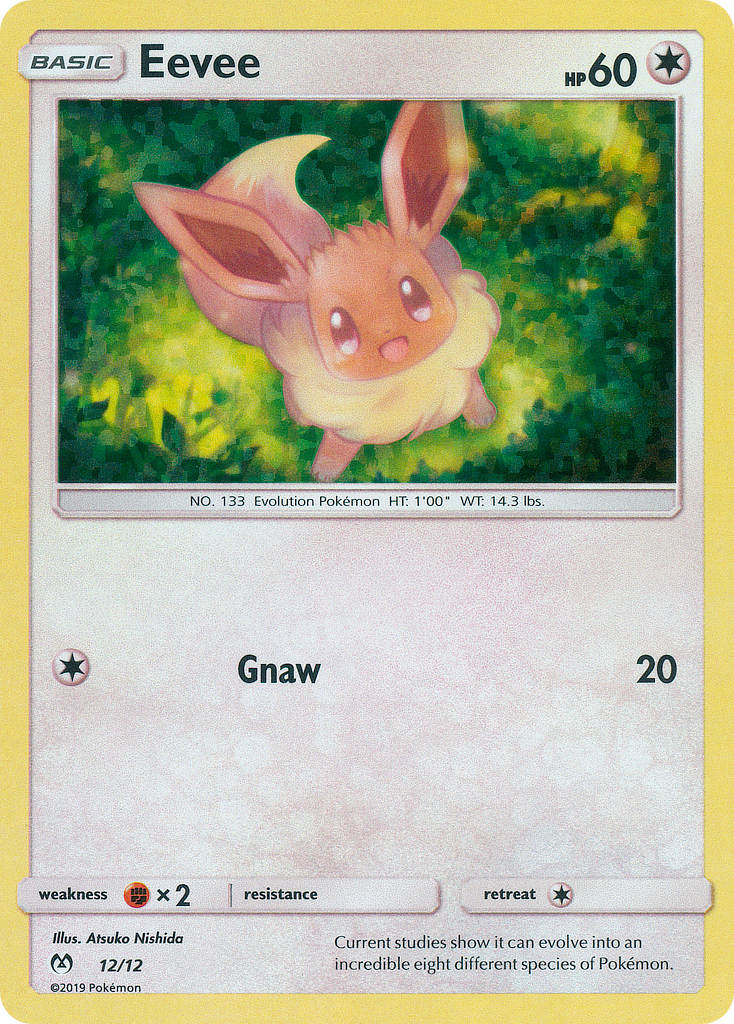
Eevee, and the eight directions.
One soft body redrawn eight ways — Eevee and its evolutions as a single design problem, solved through palette, light, and element.
Read guide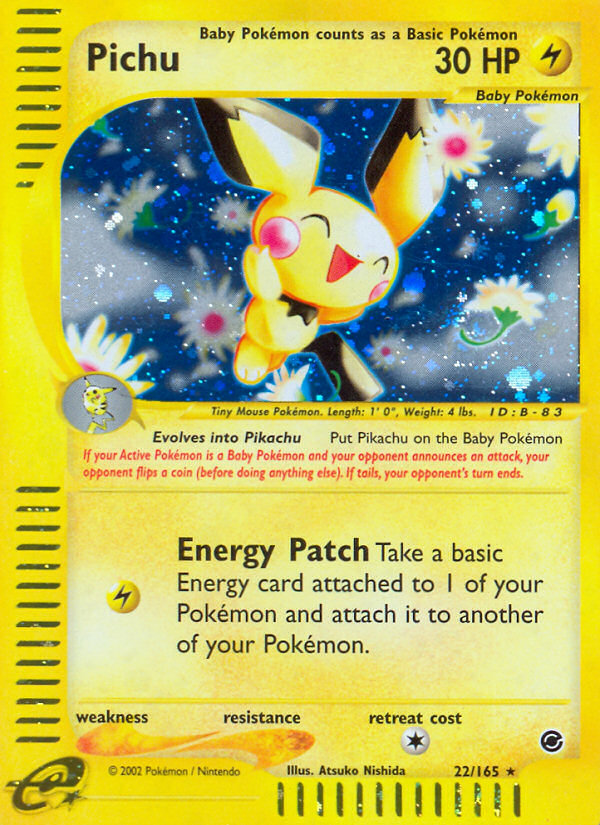
Atsuko Nishida and the soft line.
An illustrator read by her contour — Nishida draws approachability as a craft, giving small creatures rounded volume, warm light, and charm without flattening them.
Read guideBrowse all guides.
14 curated guides across four families.
Pokémon cards that feel like paintings.
A cross-archive reading of the medium’s most painterly cards — composition before chrome, brush before frame.
Yuka Morii and the clay-modelled Pokémon card.
Seven Pokémon cards by Yuka Morii — clay-modelled figures, photographed in real light, still-life staging at hand-scale.
Neo Genesis and the second-generation image.
Six Pokémon cards from Neo Genesis — the second-generation visual turn: clearer silhouettes, calmer backgrounds, and bright restraint.
Lugia, and the open sky.
A problem of scale — a vast white body that needs sky, sea, and storm around it, and a lot of empty air, to read as enormous and alone.
Pokémon cards painted in watercolour.
A reading of the cards that behave like real watercolour — wash, bloom, transparency, and bleeding edges, where the wet medium itself becomes part of the picture.
Eevee, and the eight directions.
One soft body redrawn eight ways — Eevee and its evolutions as a single design problem, solved through palette, light, and element.
Atsuko Nishida and the soft line.
An illustrator read by her contour — Nishida draws approachability as a craft, giving small creatures rounded volume, warm light, and charm without flattening them.
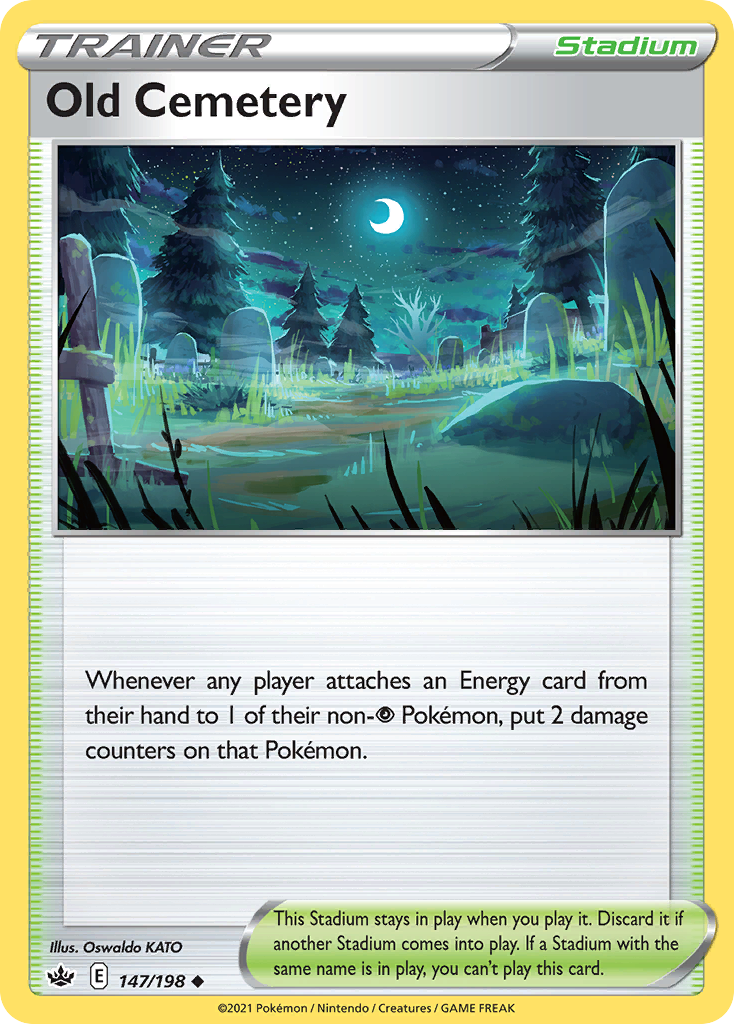
Pokémon cards painted after dark.
A reading of how the medium paints darkness — moonlight, low-key glow, and held shadow, across the cards where night itself is the subject.
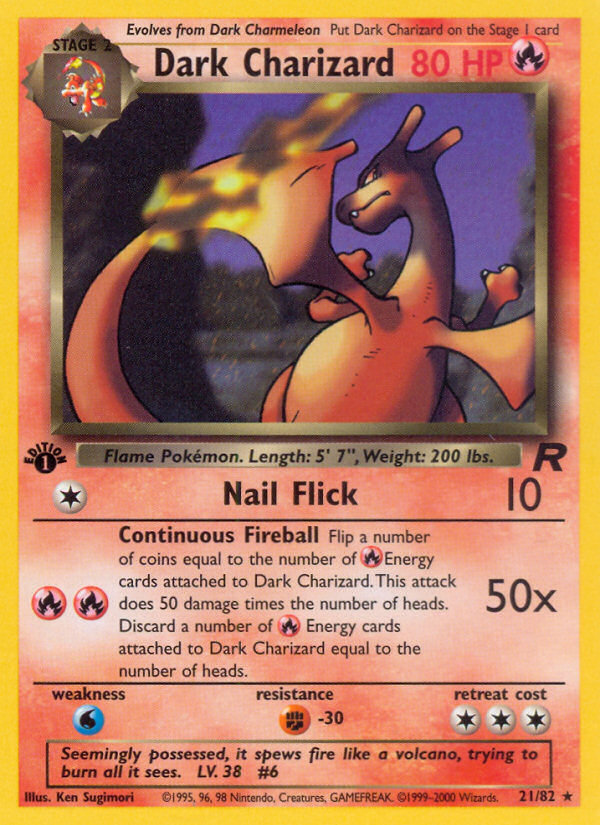
Team Rocket, and the shadow side of the medium.
The set that gave familiar Pokémon a shadow — the same creatures re-drawn darker, in gloom and altered posture, the medium discovering an uneasy image.
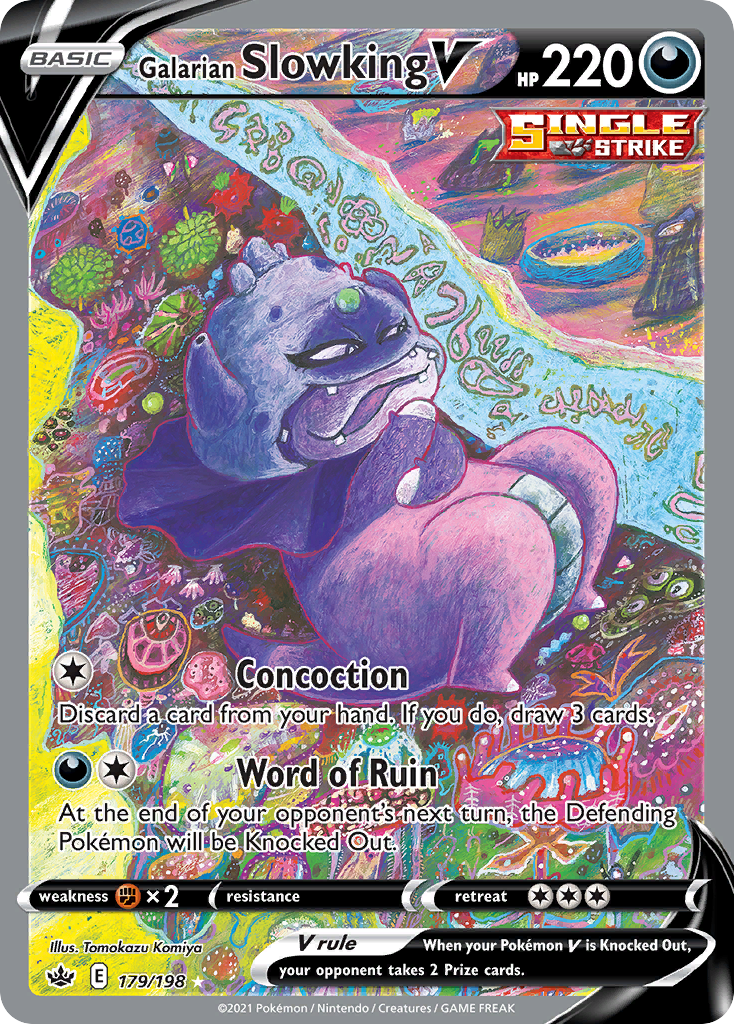
Tomokazu Komiya, the illustrator who fills the frame.
An illustrator read by how much he puts in — Komiya crowds the whole card with ornament and pattern until the background becomes the subject.
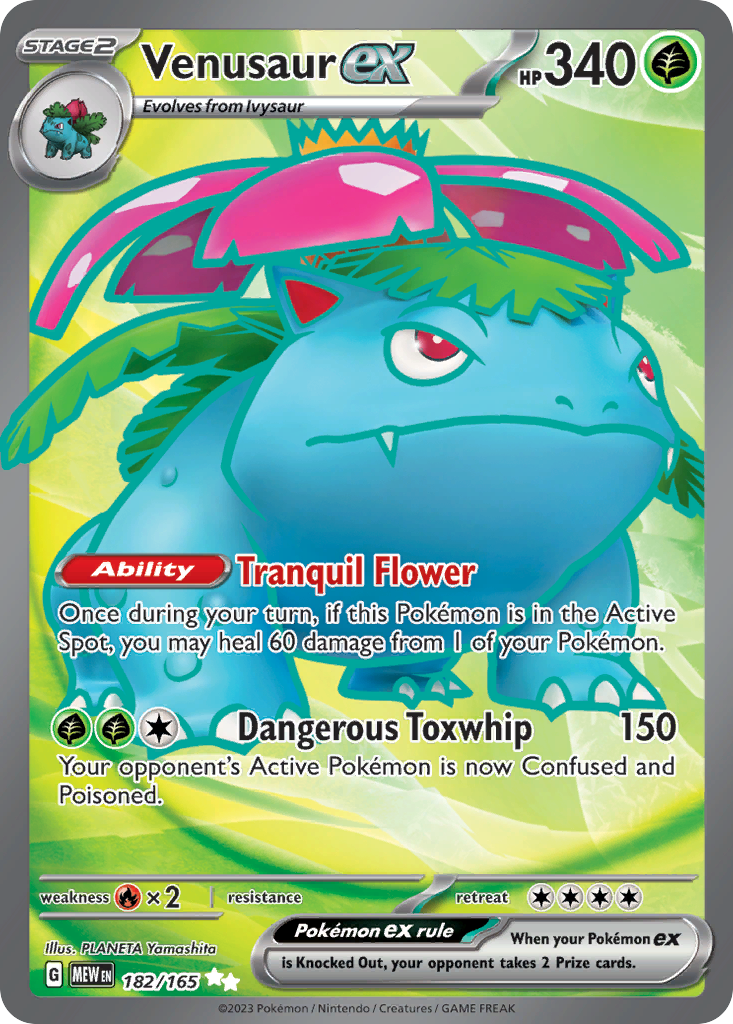
Pokémon 151, and the original Pokédex re-drawn.
A modern set hands the first 151 Pokémon to today’s illustrators — a study in how the original Pokédex is re-drawn, and how a trainer becomes a portrait.
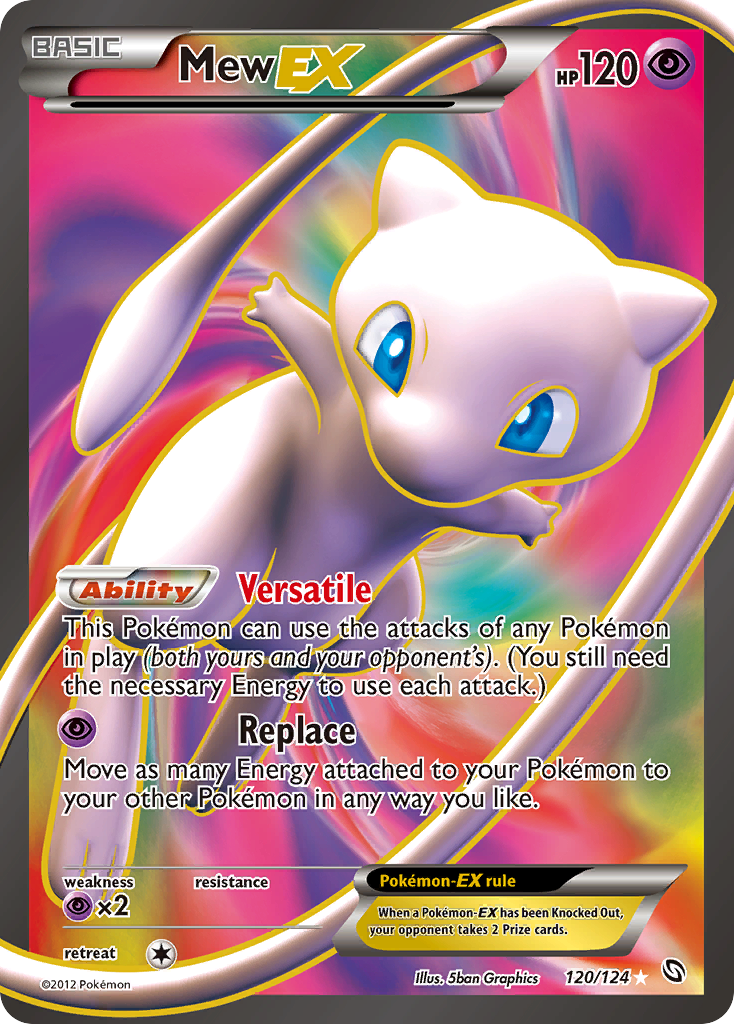
Mew, and the weightless image.
A single Pokémon read across the medium — how illustrators give a weightless creature its lightness, through translucency, pastel air, and open space.
Mitsuhiro Arita, thirty years of painted light.
An illustrator read by the light he paints. From the gouache of the Base Set to modern digital full-art, Mitsuhiro Arita renders weather, weight, and atmosphere — and the same hand shows through thirty years of the medium.
Charizard, redrawn across the medium.
Eight Pokémon cards reading Charizard across thirty years of the medium — silhouette, fire, frame, and the shifting register of the same image.
Every guide is curated by Artchu’s editorial logic: visual strength, diversity of eras, illustrator range, mood, composition, palette, and image quality. Selections are refreshed quarterly. Rarity, market value, and grading are not selection criteria.