Mitsuhiro Arita, thirty years of painted light.
 MA
MA
Reading one illustrator across the medium
Look past the Pokémon. Look at the light.
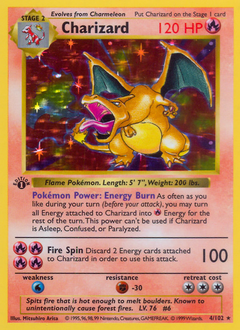
Mitsuhiro Arita painted the card most people picture when they picture a Pokémon card. But the Base Set Charizard is not an endpoint — it is the first clear statement of a way of seeing that runs through his entire body of work. Arita paints atmosphere: a soft key-light, air with weather in it, creatures with real mass. This guide follows that hand forward, from 1999 gouache to digital full-art, so the next time you meet an Arita card you recognise it before you read the credit.
Eight cards, one hand
Chosen to trace Arita’s treatment of light, mass, and atmosphere across the eras — not the most talked-about cards, the most telling ones.
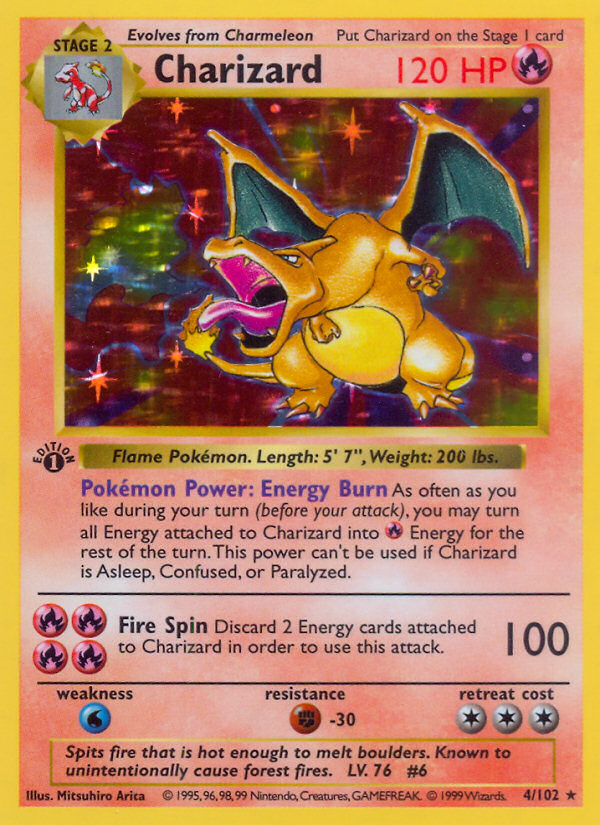
Charizard
1999Where the hand is clearest. Gouache builds the creature in warm light against smoke; the fire is painted as glow, not graphic. Everything Arita does later is already here.
View card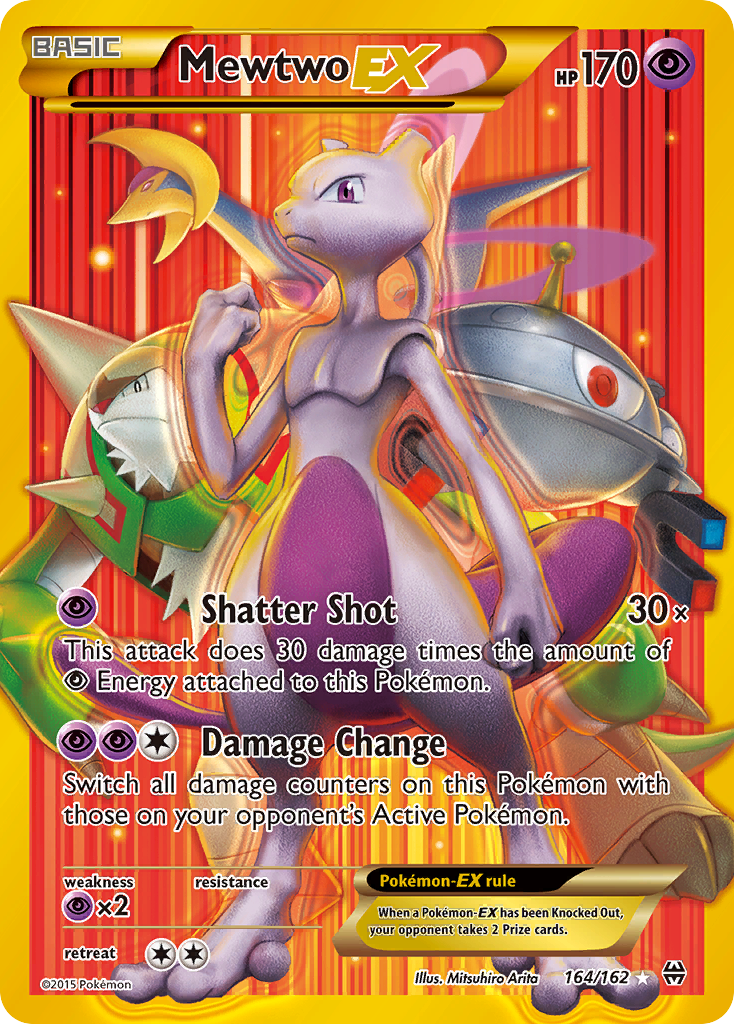
Mewtwo-EX
2015A decade on, the same instinct in a colder key. Mewtwo’s mass is modelled in cool light; the background recedes into atmosphere rather than pattern.
View card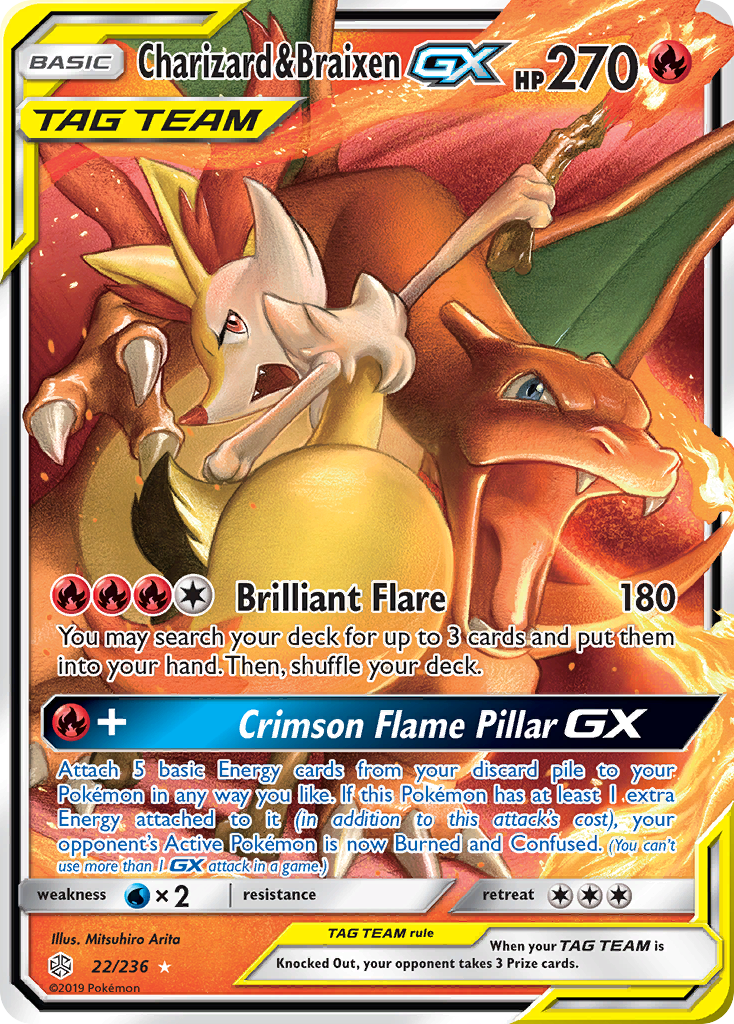
Charizard & Braixen-GX
2019Two creatures held in one warm scene. Notice how a single light source binds them — painterly edges, real depth behind.
View card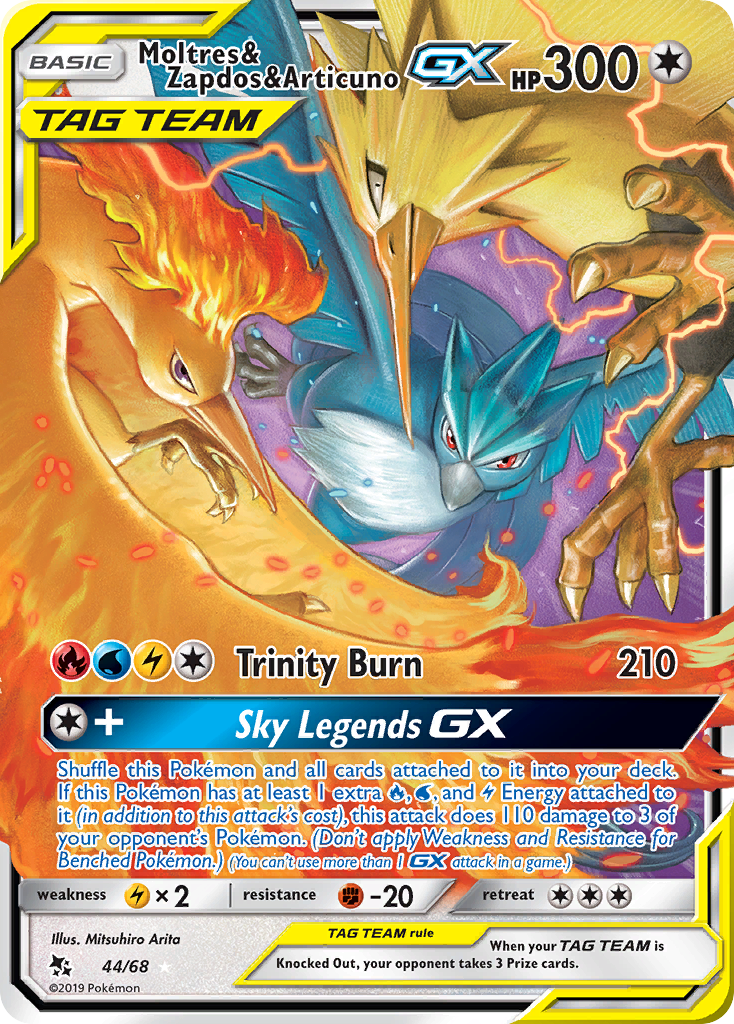
Moltres & Zapdos & Articuno-GX
2019Three birds, one sky. Arita stages legendary scale through atmosphere and distance, not just size.
View card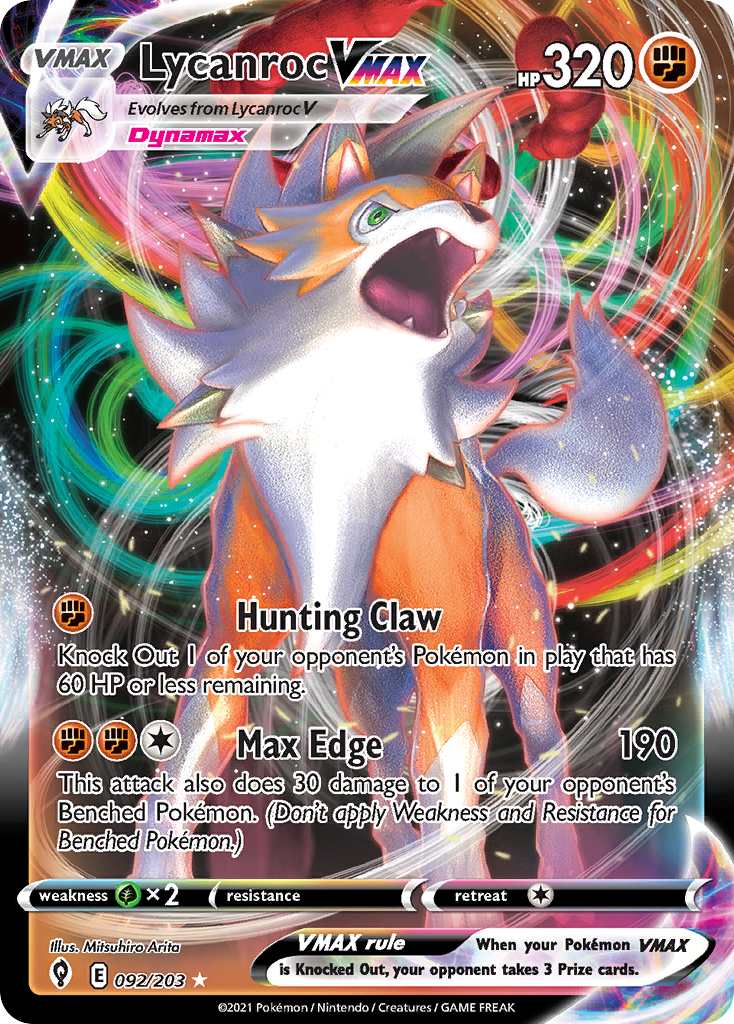
Lycanroc VMAX
2021Digital, and still painted. The fur and rock read as brushwork; the dusk light is weather, not gradient.
View card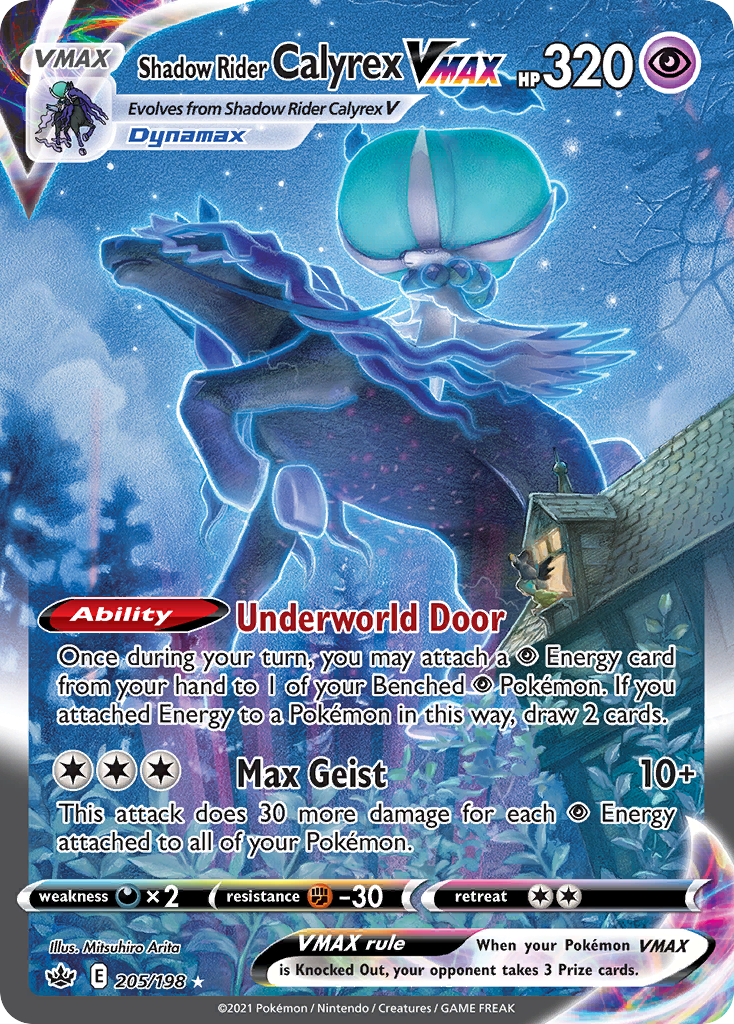
Shadow Rider Calyrex VMAX
2021A nocturne. The hand that paints warm daylight also paints cold dark — the glow is the only key, and it carries the whole composition.
View card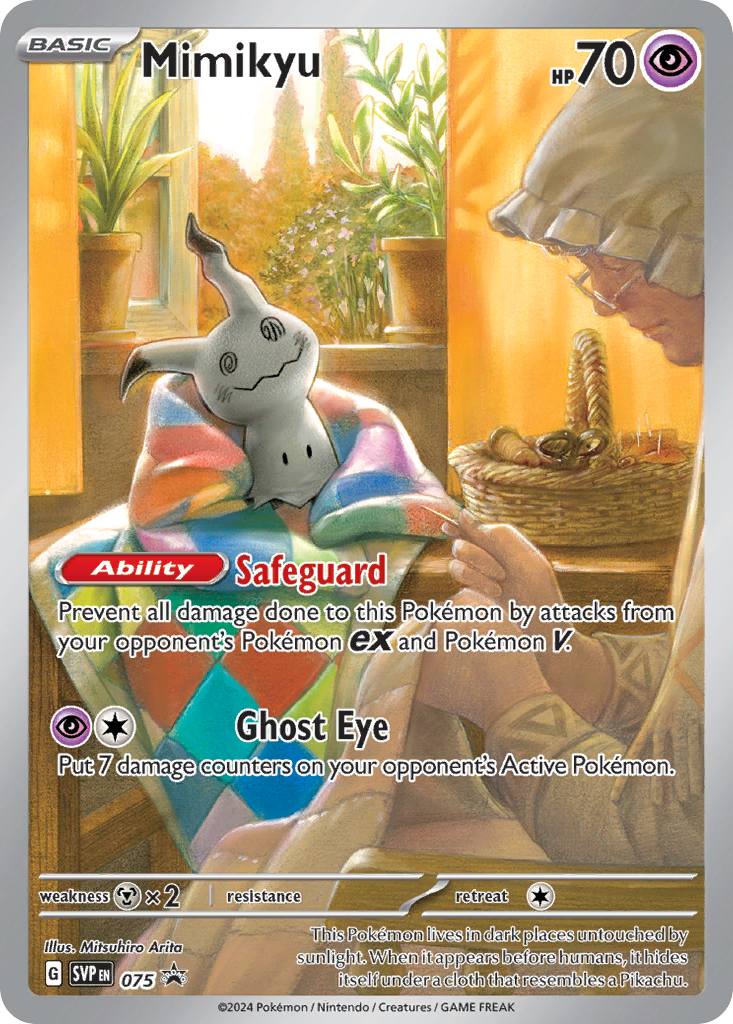
Mimikyu
2023Quieter, smaller, no less considered. Soft light on a small figure, a lot of air around it — restraint as a choice.
View card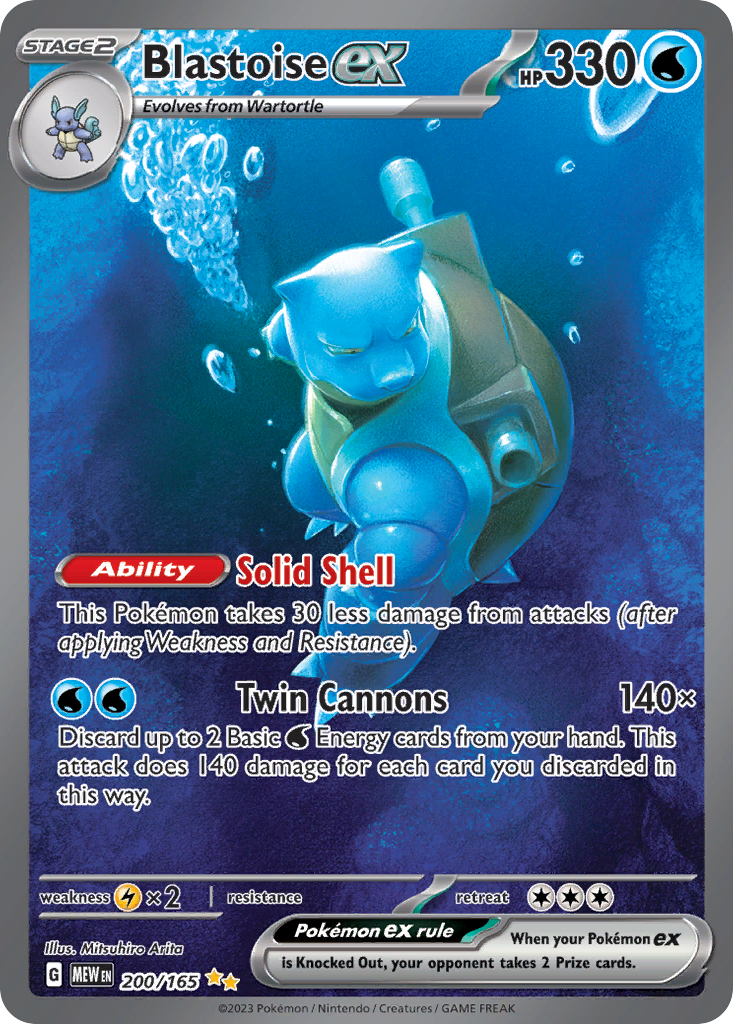
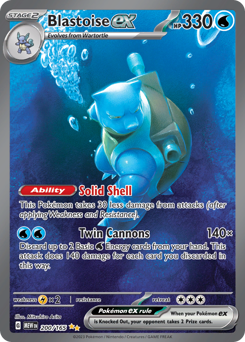
Blastoise ex
2023The most recent hand here, re-drawing a first-generation creature for the 151 set. Modern rendering, the same modelled light.
View cardHow to recognise the hand
Three things Arita does that survive every change of subject, era, and tool.
- Light as weather
- Arita rarely lights a creature flatly. There is usually a single soft key, often warm, and air between the subject and the background — haze, smoke, dusk. The light reads as a place, not just an exposure.
- Creature mass
- His Pokémon have weight. Volume is modelled in light and shadow so the body feels solid and three-dimensional, even in the flat space of a card. Look at where the light wraps around the form.
- From gouache to pixels
- The earliest cards are physically painted; the recent ones are digital. The tools change; the instincts do not. The painterly edge — soft where the form turns, crisp at the focal point — survives the switch.
This guide is an editorial reading of Mitsuhiro Arita’s card artwork, chosen for what each card shows about his treatment of light, mass, and atmosphere. Cards are selected for visual interest and range across eras, not for rarity, market value, or grade.