
- Released
- Feb 2009
- Cards
- 127 printed
- Illustrators
- 23
- Top card
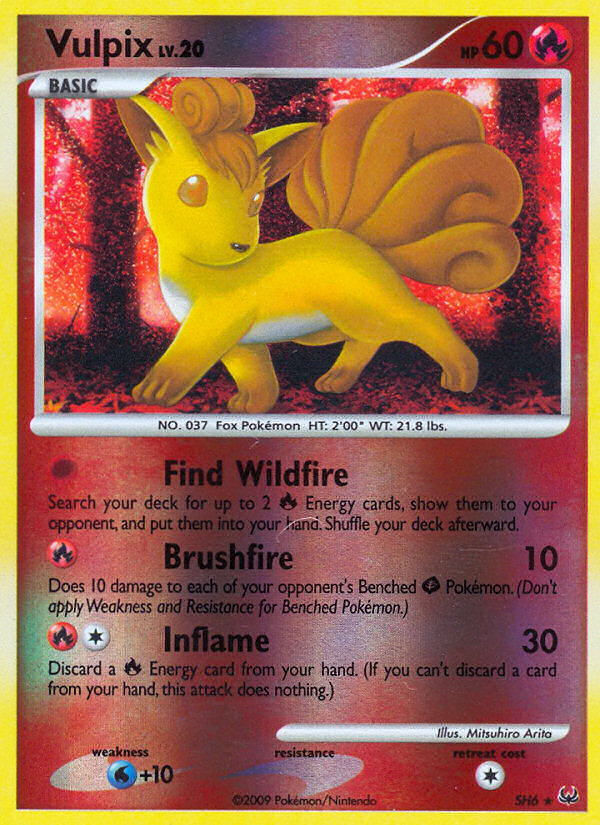
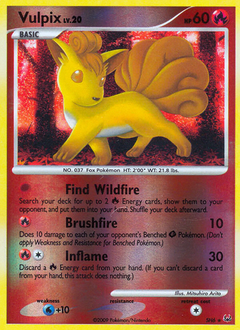
- Vulpix $130
- Series
- Platinum
- Era
- Diamond & Pearl era
103 unique Pokémon 115 Pokémon · 17 Trainer · 1 Energy Average market $7.31
§ 01 — The full checklist
Browse the 127 cards.
Filter by type, rarity, illustrator.
Showing 133 of 133 cards
Rarity
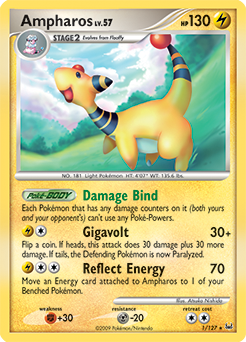
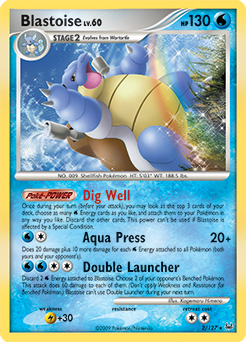
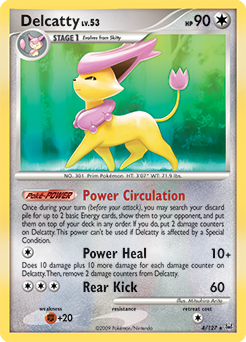
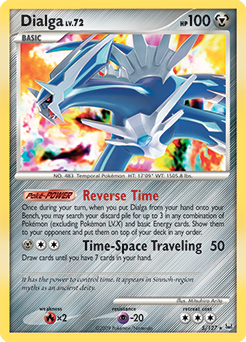
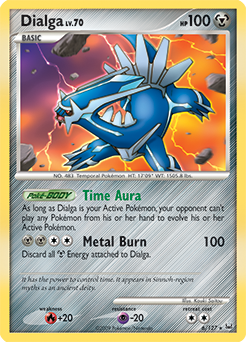
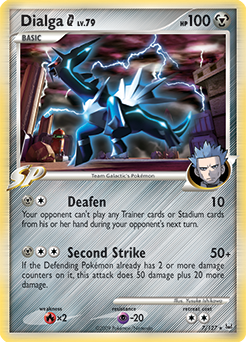
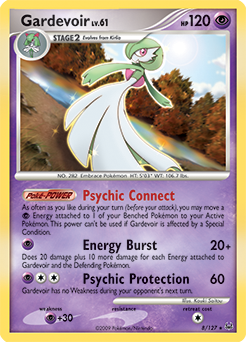
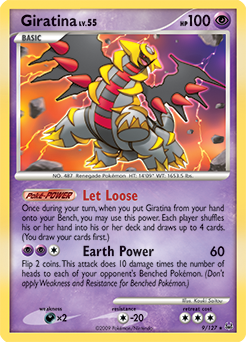
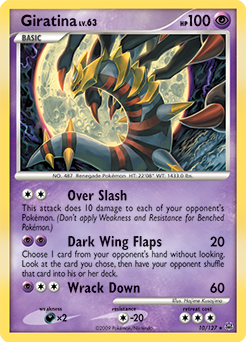
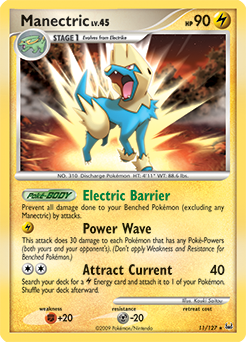
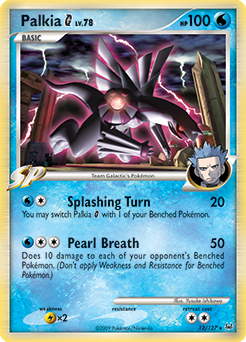
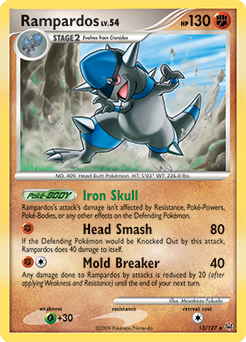
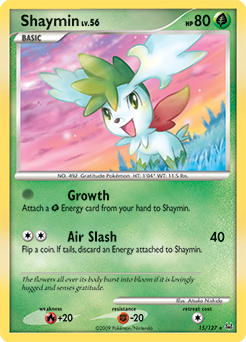
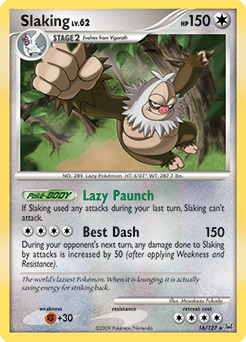
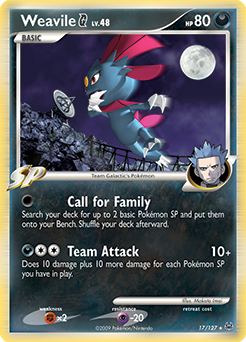
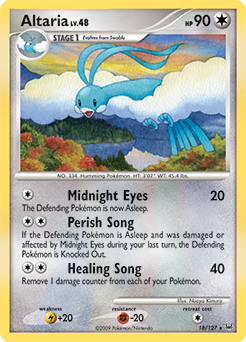
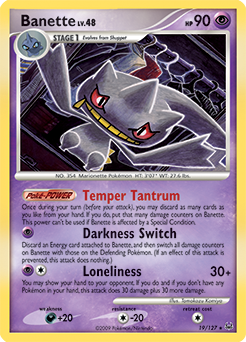
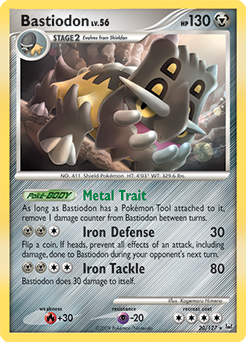
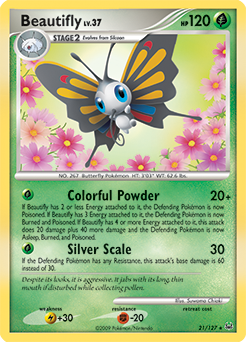
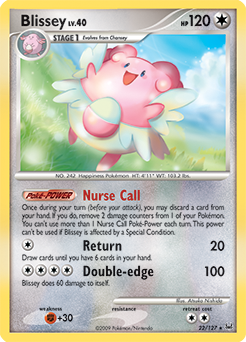
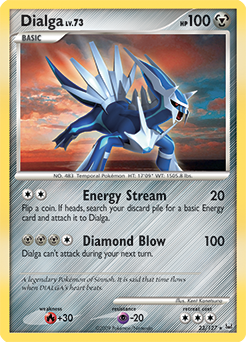
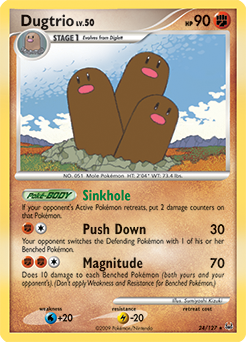
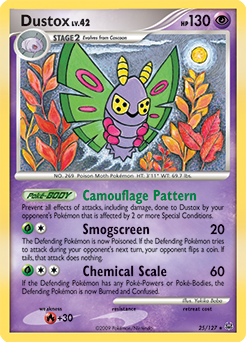
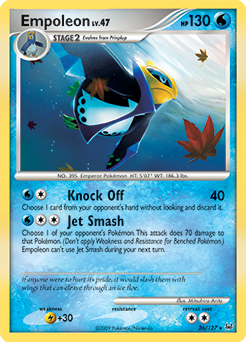
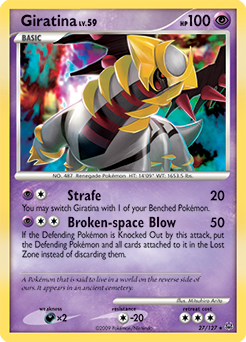
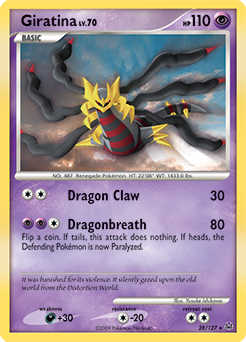
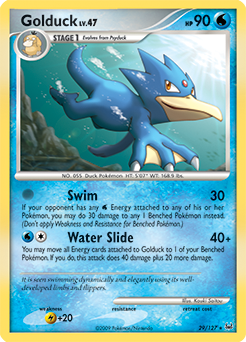
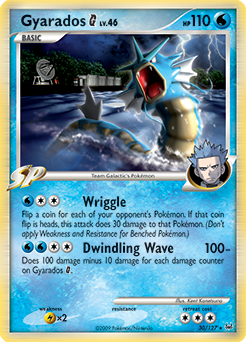
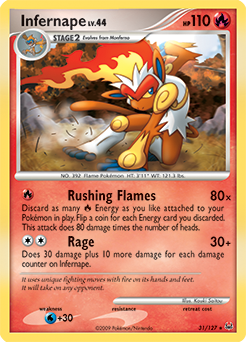
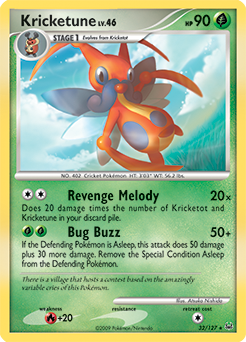
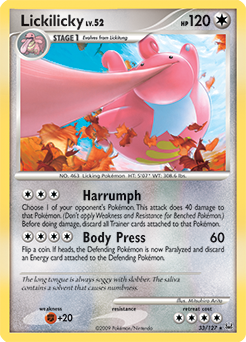
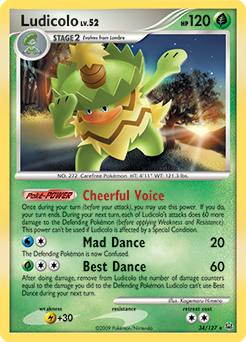
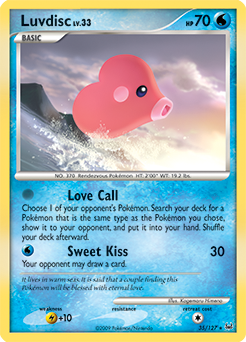
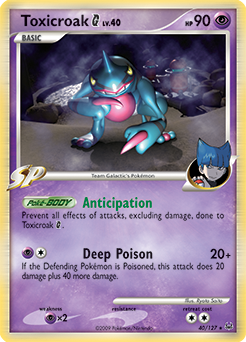
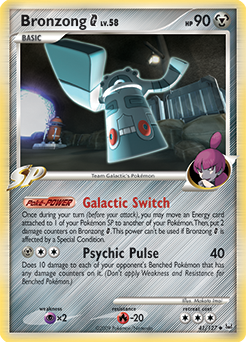
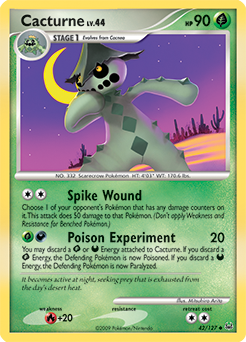
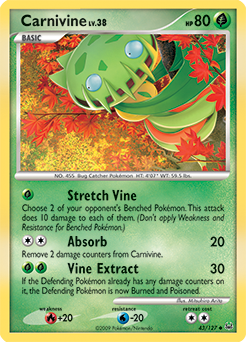
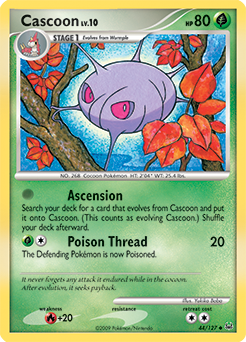
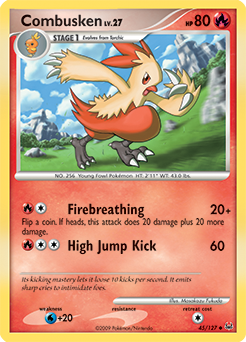
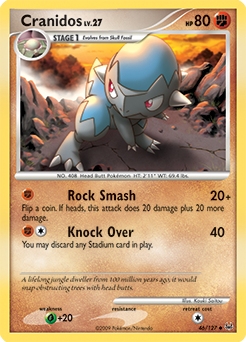
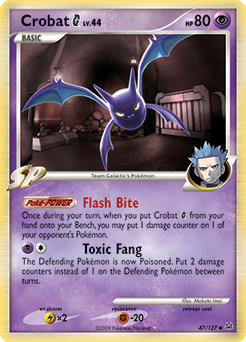
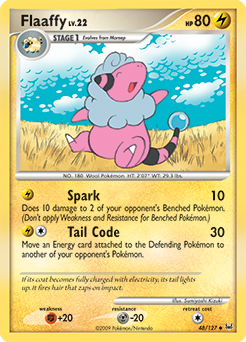
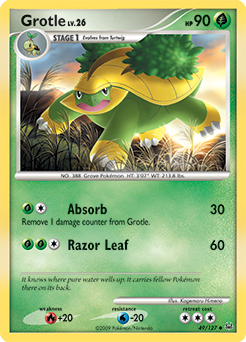
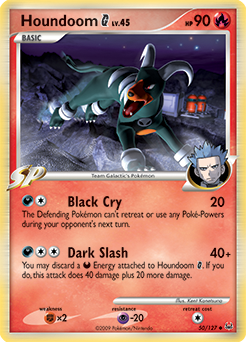
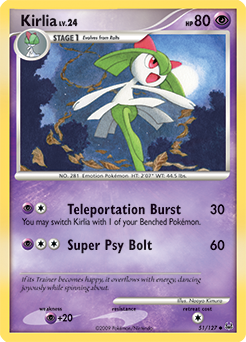
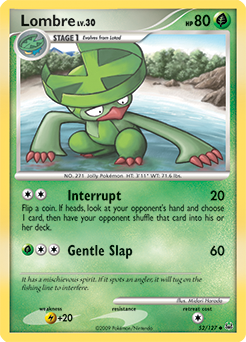
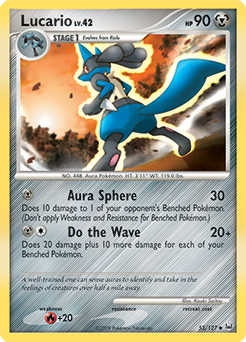
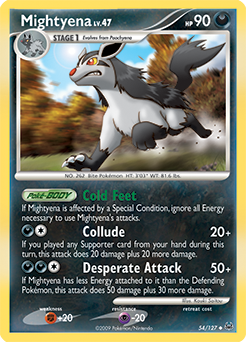
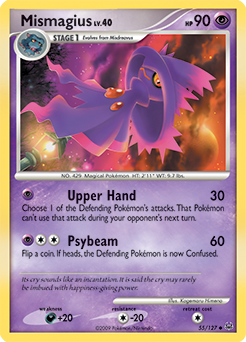
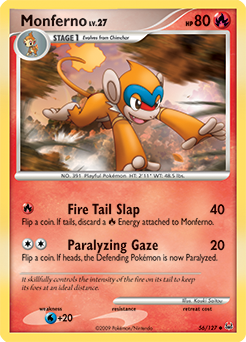
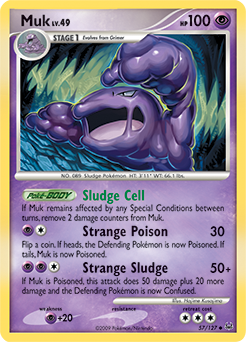
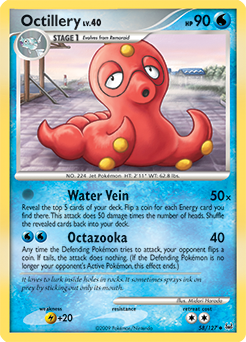
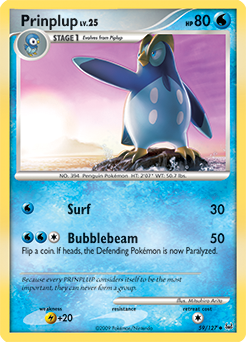
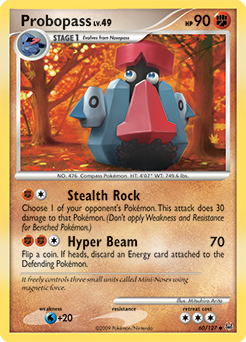
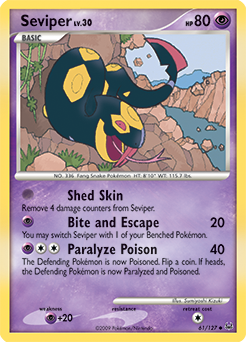
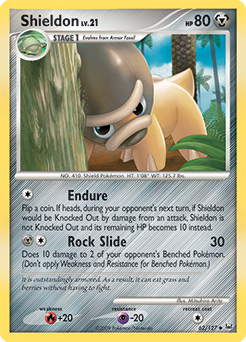
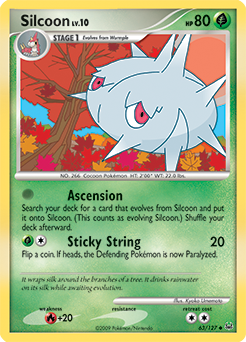
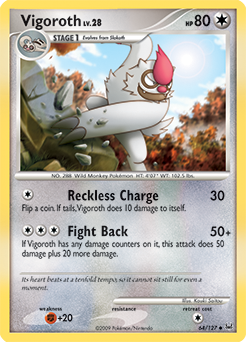
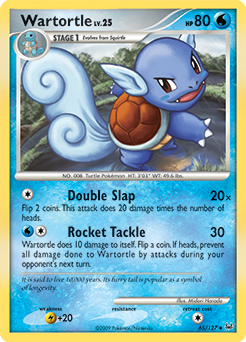
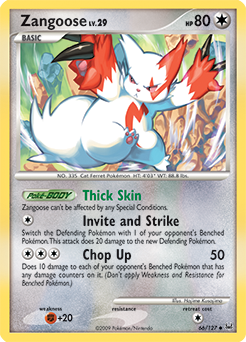
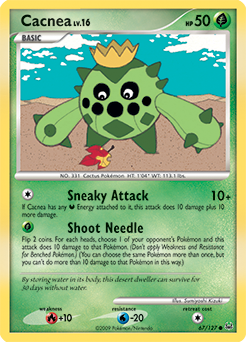
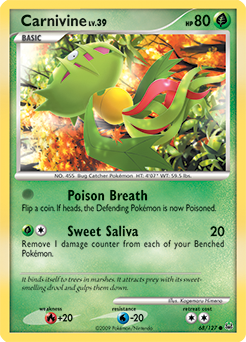
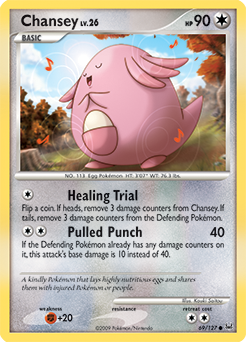
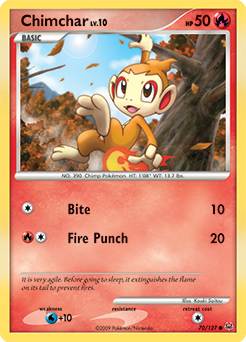
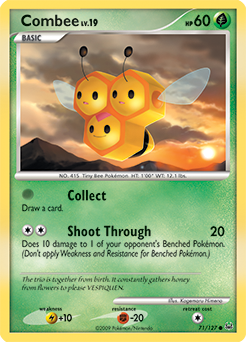
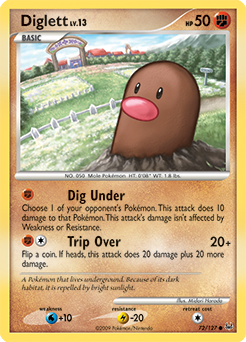
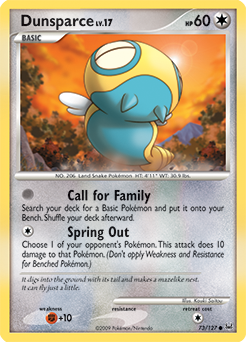
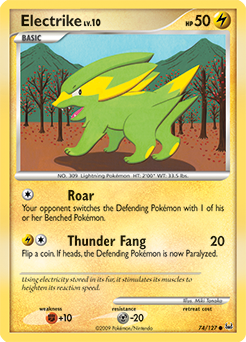
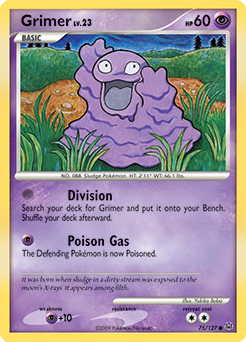
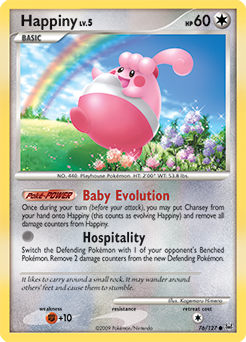
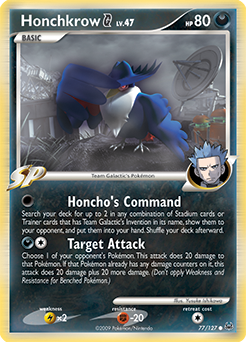
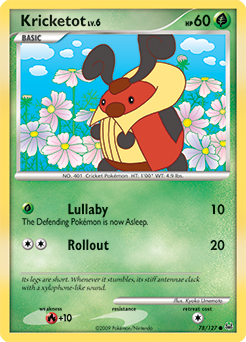
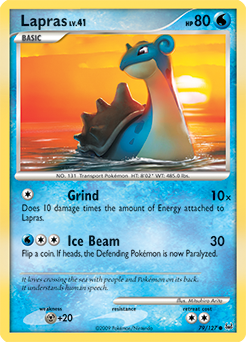
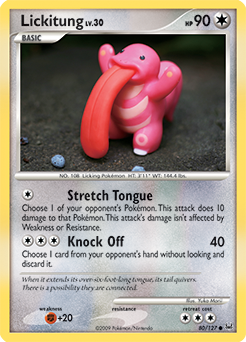
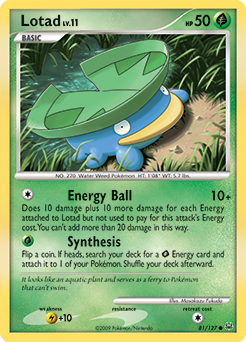
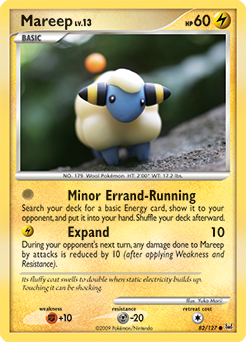
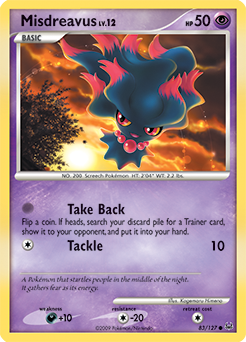
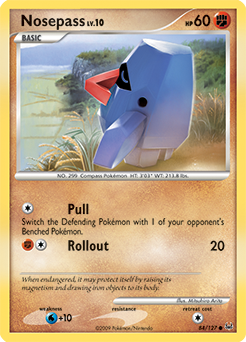
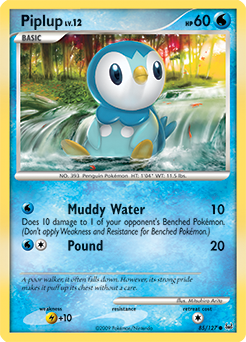
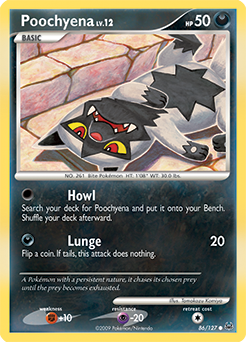
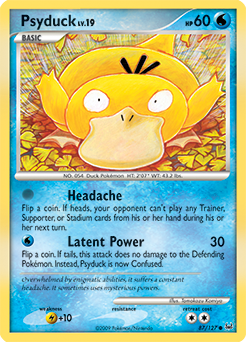
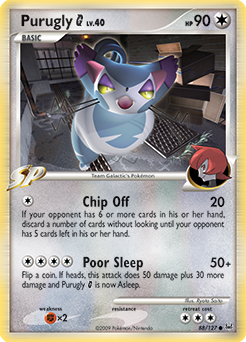
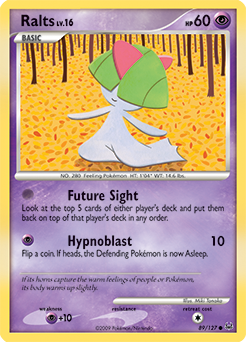
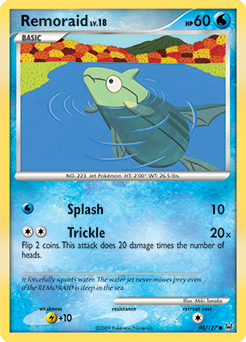
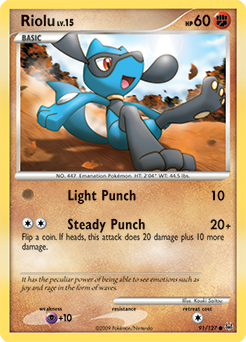
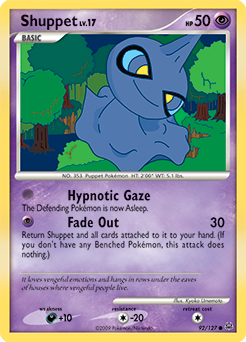
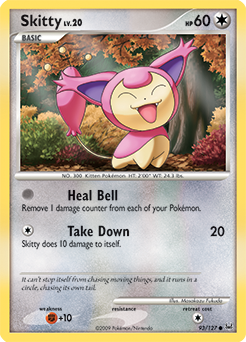
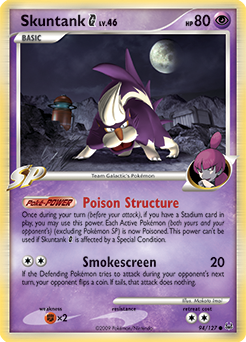
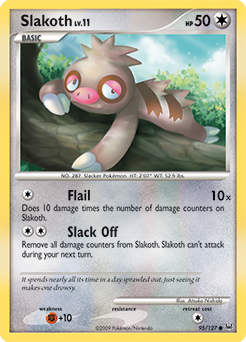
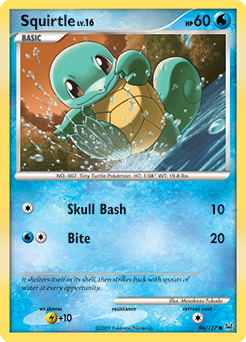
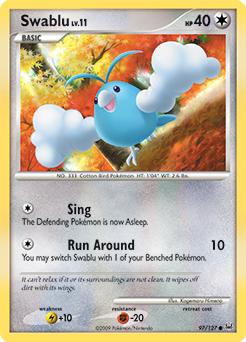
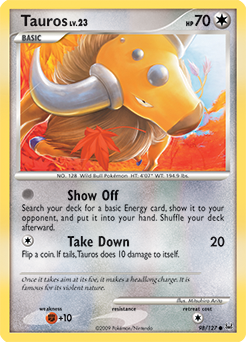
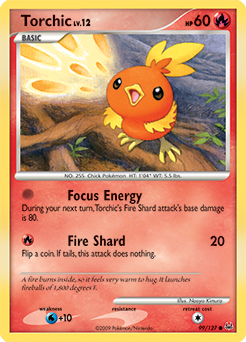
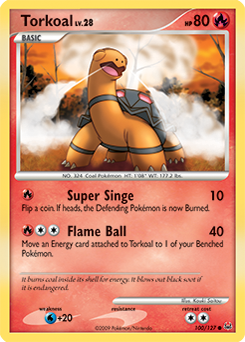
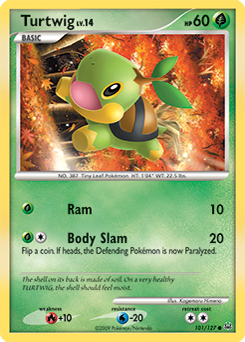
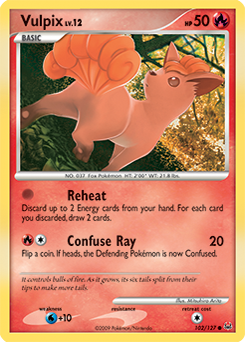
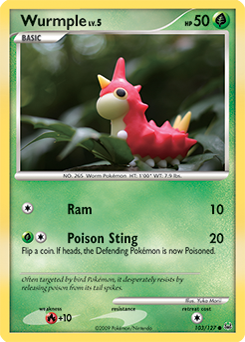
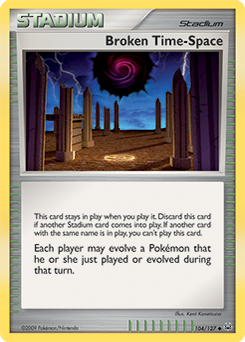
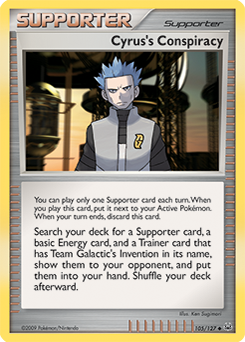


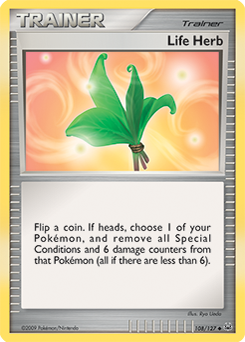
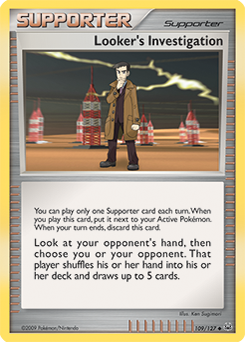
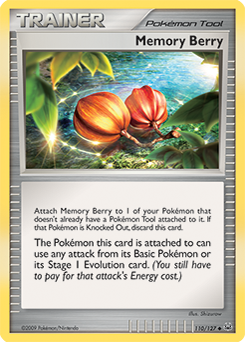
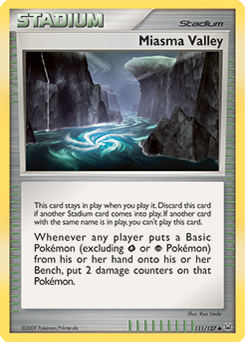
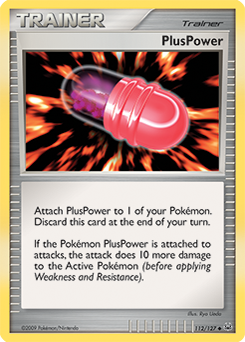
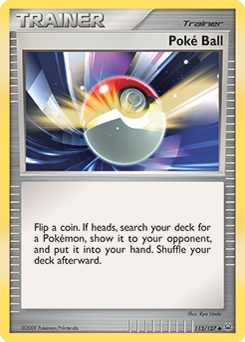
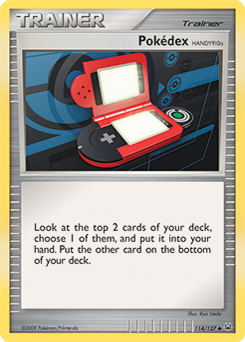
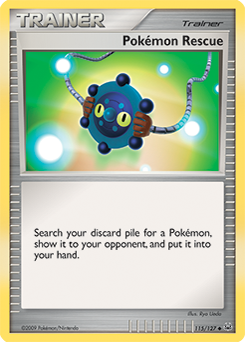
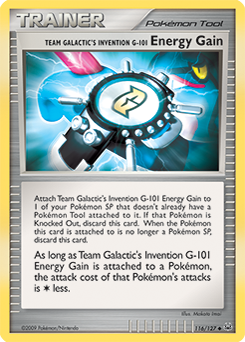
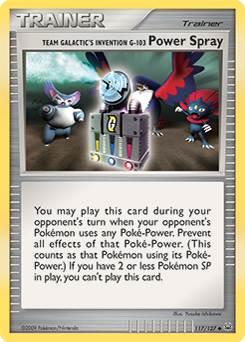

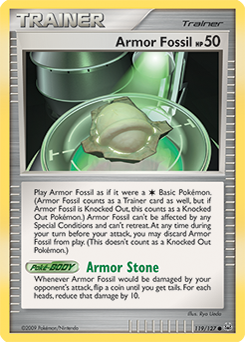
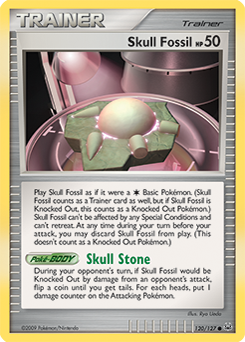
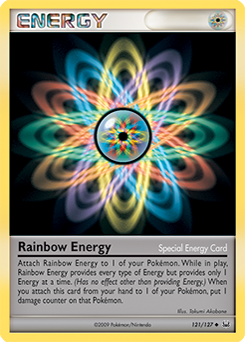
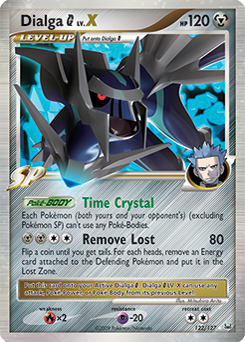
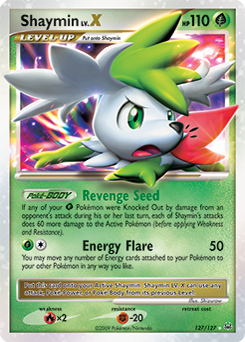
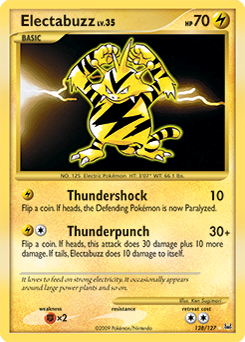
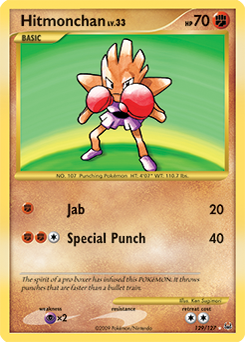
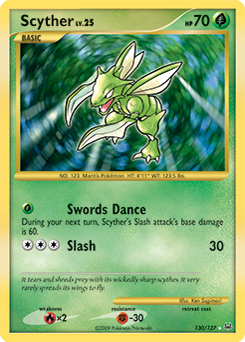
No cards match these filters.
§ 02 — About Platinum
A look inside the set.
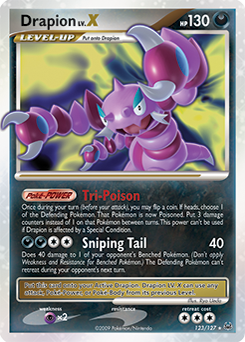
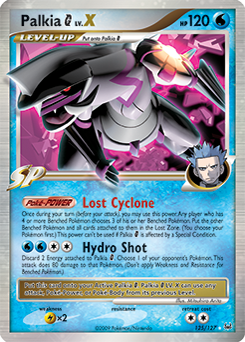
Platinum presents a broad 133-card lineup with 115 Pokémon cards supported by 17 Trainers and a single Energy. The rarity structure is weighted toward Commons and Uncommons, then steps up through Rares and Rare Holos, with a compact group of Rare Holo LV.X and a small number of Rare Secret cards. Across the set, the dominant look is cartoonish and colorful, guided by balanced, simple layouts that keep the subject readable and centered.
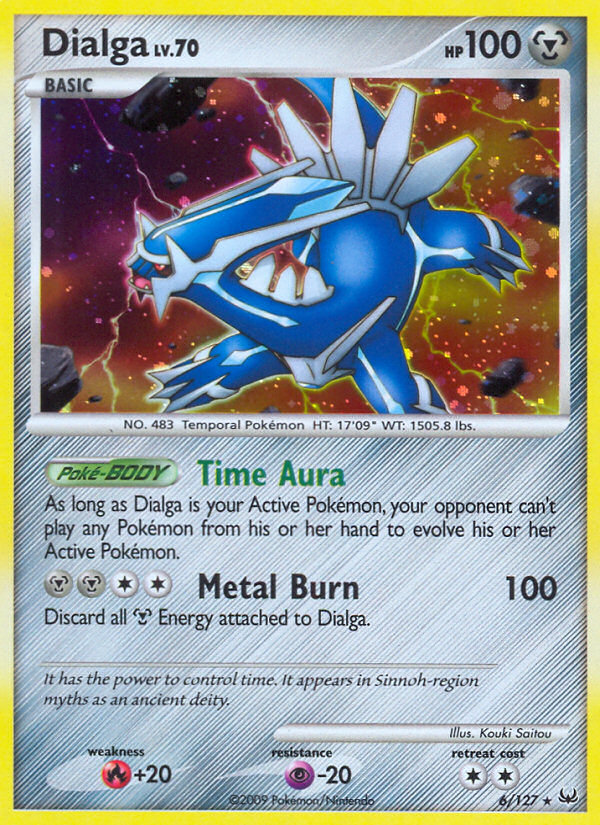
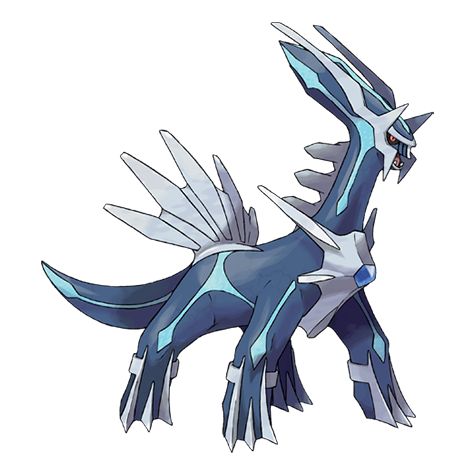
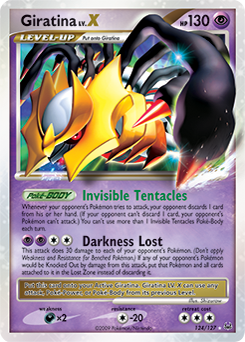
The mood stays largely playful, cheerful, and lighthearted, but it regularly pivots into more mysterious and intense moments through sharper contrast and dynamic posing. Visual highlights include Dialga (pl1-23) and Giratina LV.X (pl1-124), both showing how the set can shift from straightforward character focus to higher-energy, more dramatic framing. Among the most present illustrators, Mitsuhiro Arita, Kouki Saitou, Kagemaru Himeno, and Ryo Ueda collectively shape much of the set’s visual baseline, spanning clean character depiction, stylized motion, and crisp digital finish.
I · Visual identity
Platinum’s visual language is bright and vibrant, often using contrasting color to separate the subject from clean, uncluttered backgrounds. The prevailing approach is playful and cartoonish, with focused character framing and balanced layouts; when the set turns more mysterious or intense, it tends to do so through dynamic poses, sharper lighting, and occasional cooler or darker accents rather than heavy scene complexity.
II · Illustrators
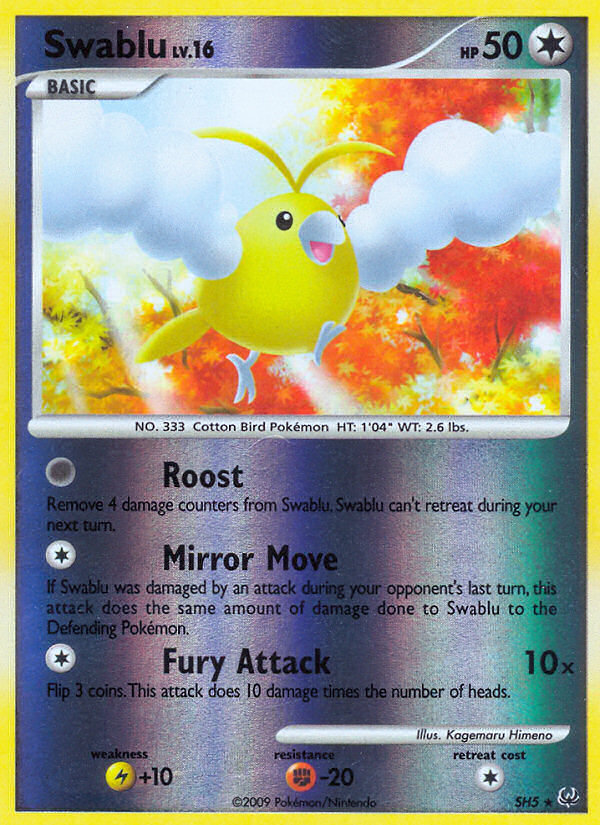
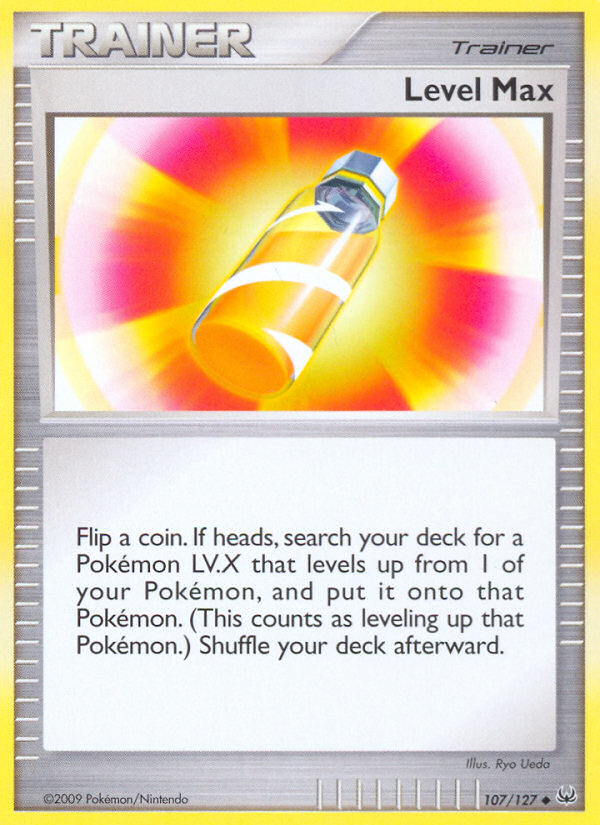
Mitsuhiro Arita and Kouki Saitou contribute the largest share of illustrations, establishing a consistent, readable character presentation across many cards. Kagemaru Himeno and Ryo Ueda also appear frequently, adding variety through shifts between softer, whimsical rendering and more dynamic, digitally polished action framing.
§ 03 — Featured
Cards worth lingering on.
Editorial picks — by visual identity, mood, and the work that defines this set's character.
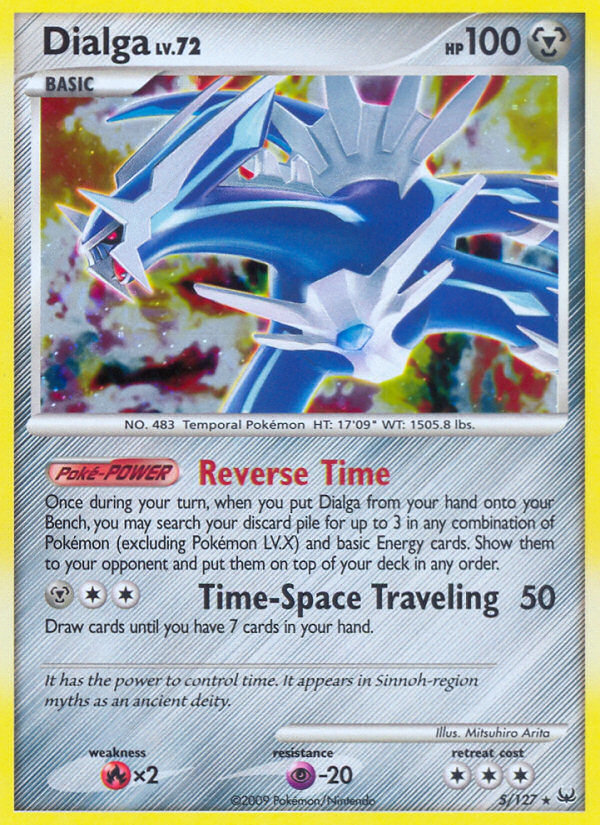
Dialga
№ 005
by Mitsuhiro Arita
Rare Holo
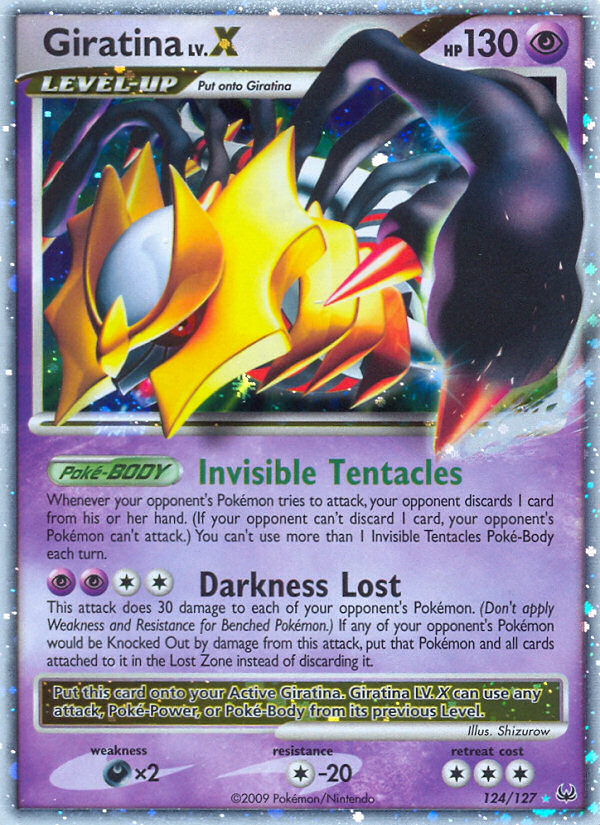
Giratina LV.X
№ 124
by Shizurow
Rare Holo LV.X
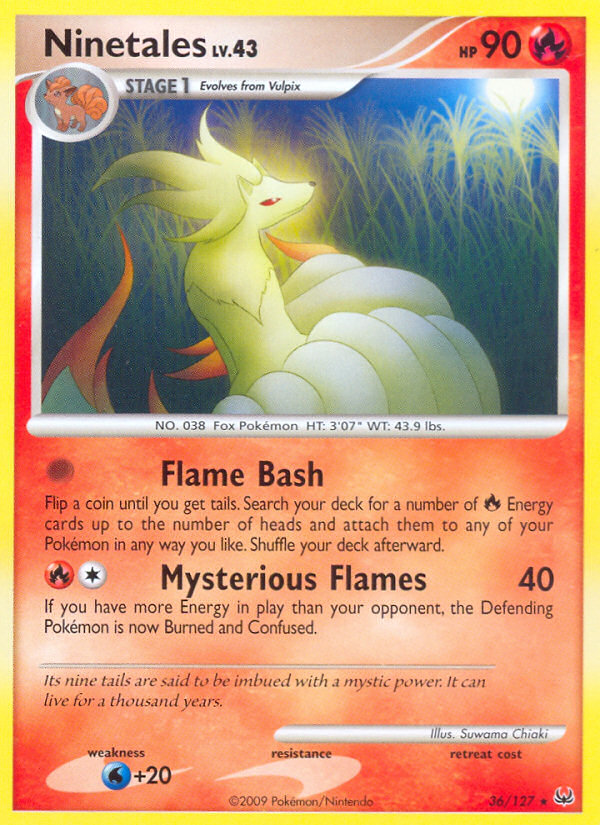
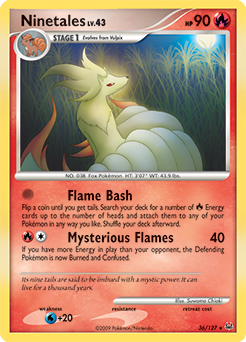
Ninetales
№ 036
by Suwama Chiaki
Rare
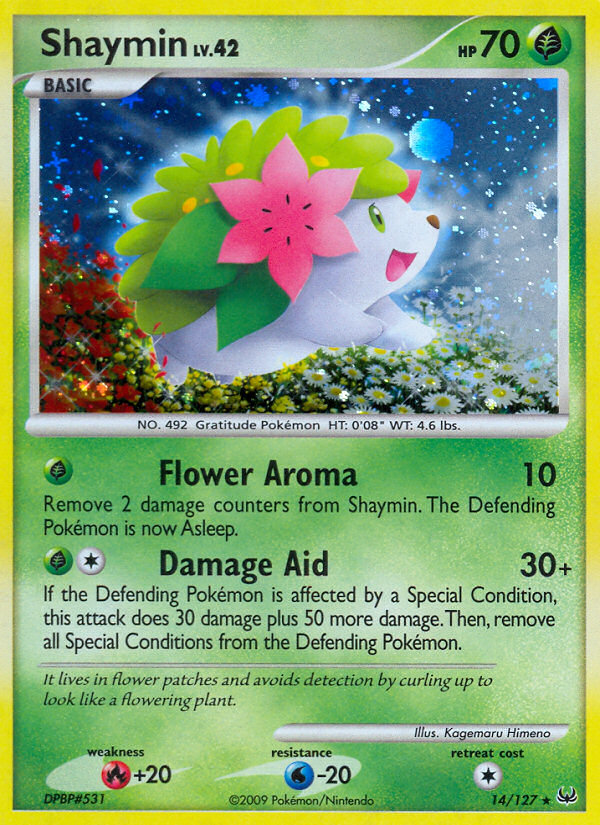
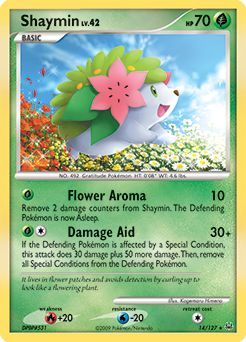
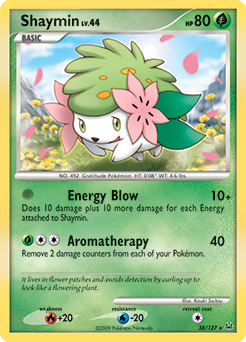
Shaymin
№ 014
by Kagemaru Himeno
Rare Holo
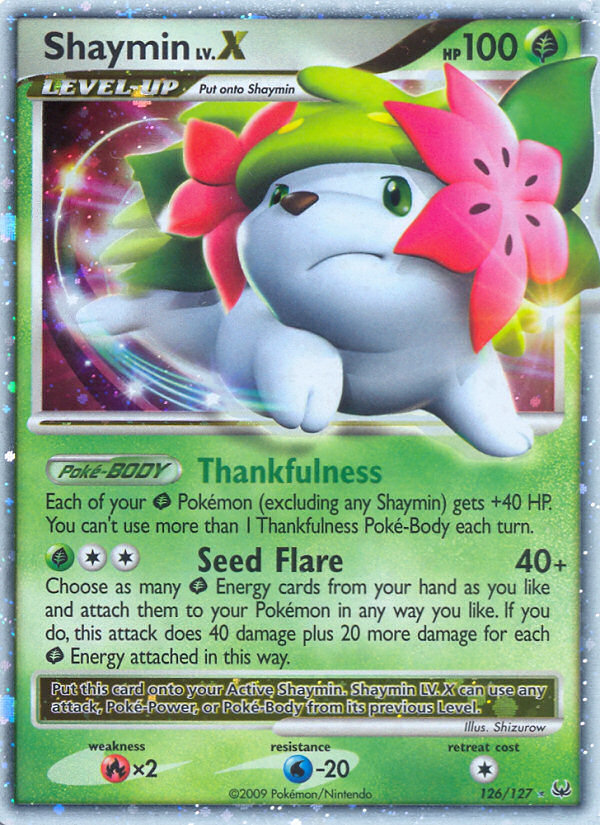
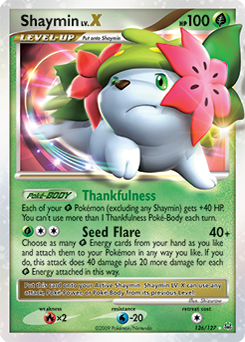
Shaymin LV.X
№ 126
by Shizurow
Rare Holo LV.X
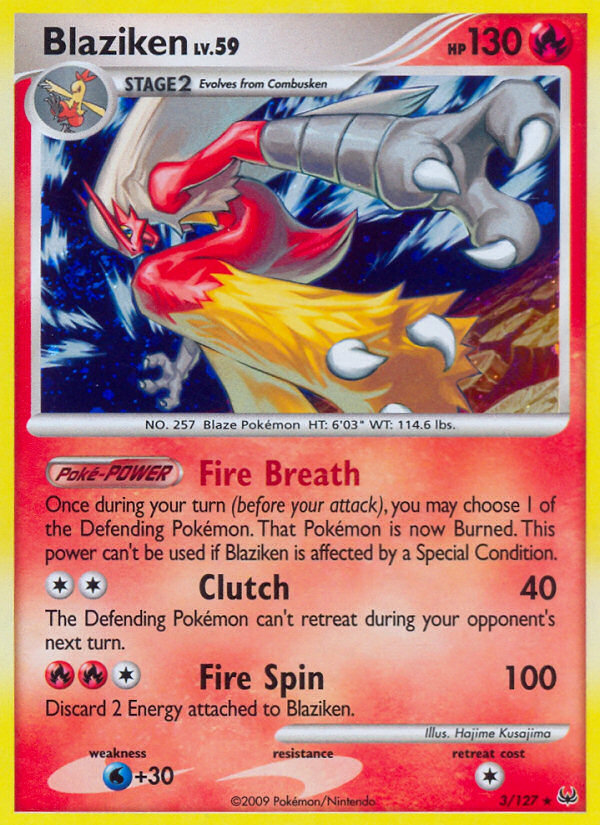
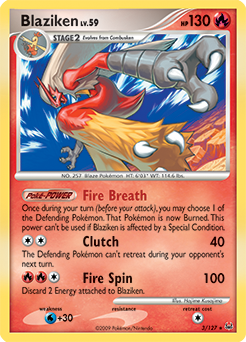
Blaziken
№ 003
by Hajime Kusajima
Rare Holo
§ 04 — Entry points
Two ways in.
By the hands behind it, or by the Pokémon featured. Both threads continue across the wider Artchu catalogue.