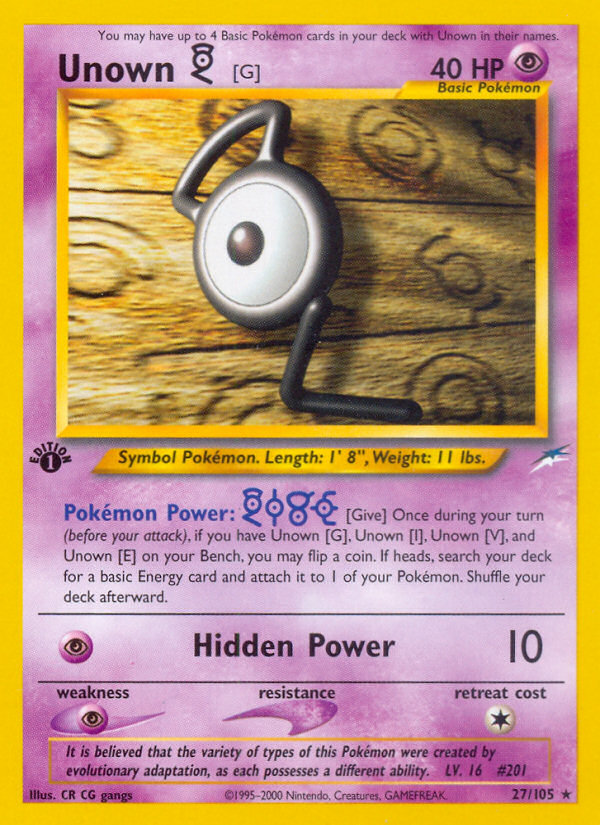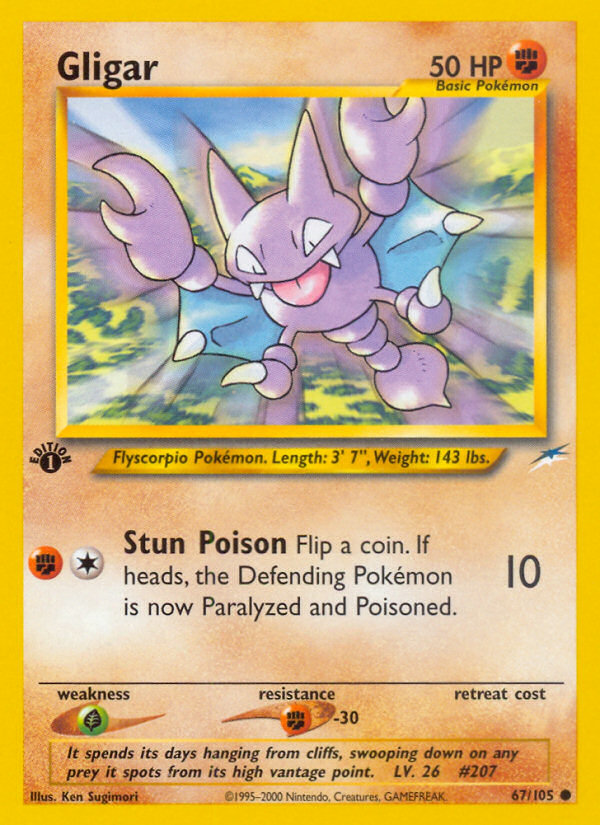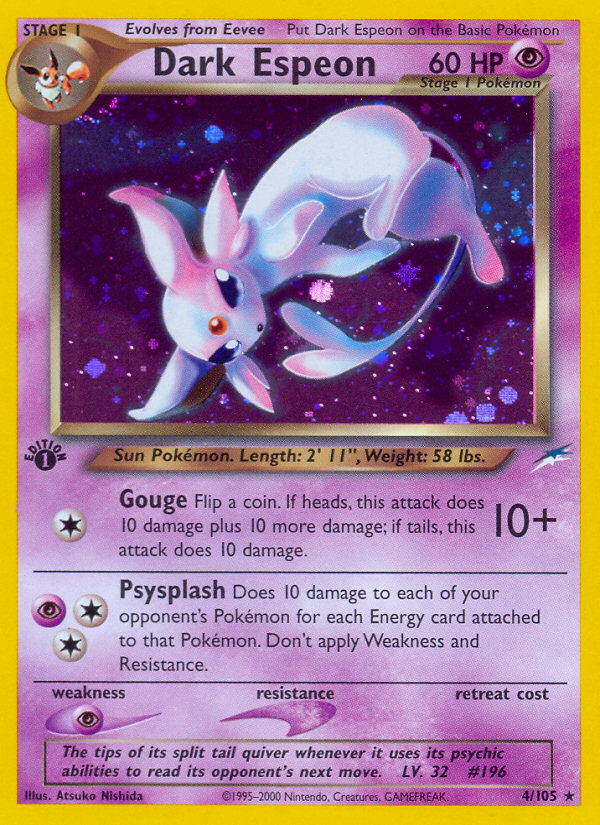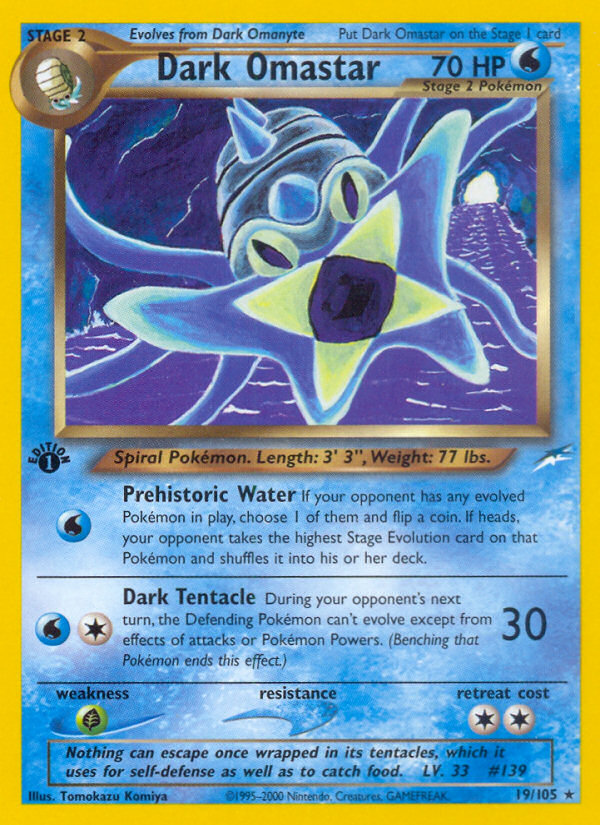

- Released
- Feb 2002
- Cards
- 105 printed
- Illustrators
- 28
- Top card
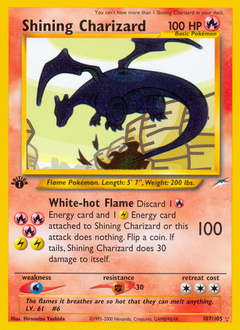
- Shining Charizard $6,502
- Series
- Neo
- Era
- Founding generation
98 unique Pokémon 98 Pokémon · 14 Trainer · 1 Energy Average market $49.84
§ 01 — The full checklist
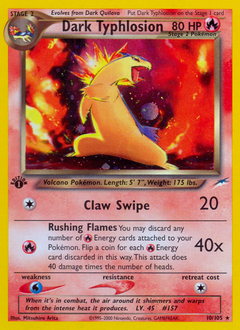
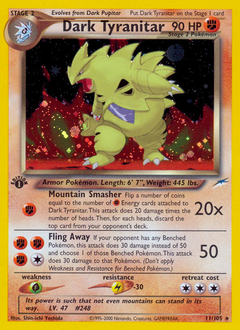
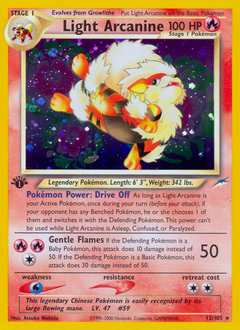
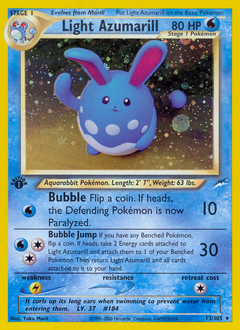
Browse the 105 cards.
Filter by type, rarity, illustrator.
Showing 113 of 113 cards
Rarity
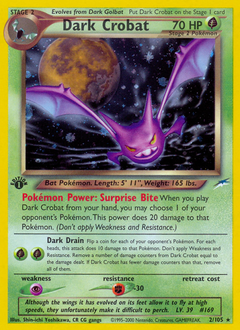
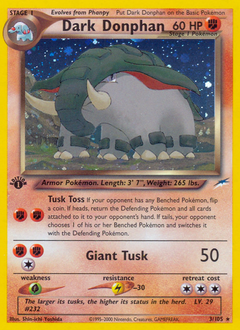
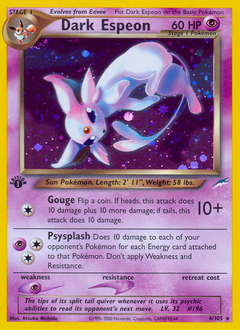
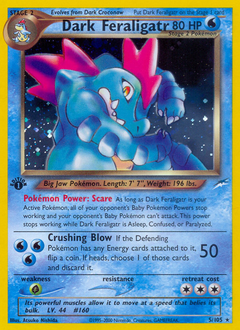
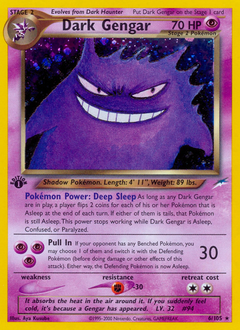
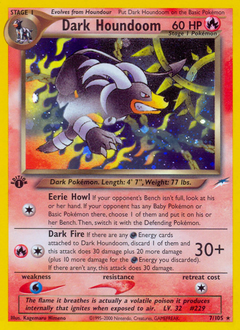
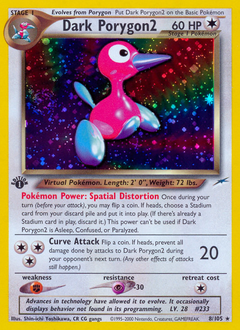
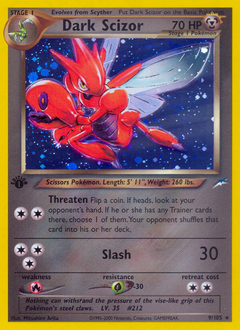
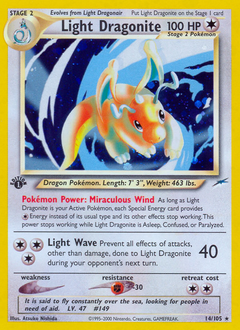
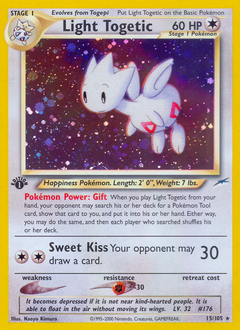
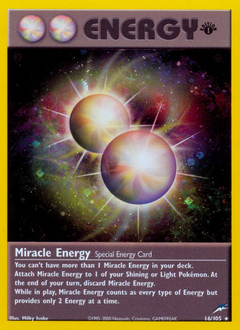
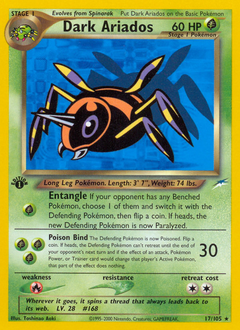
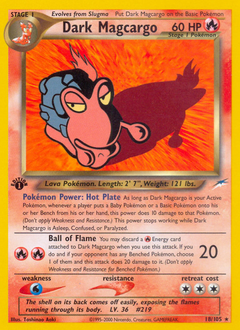
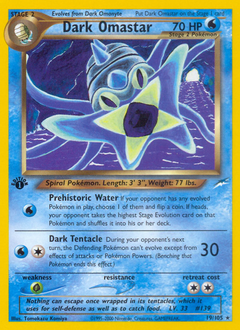
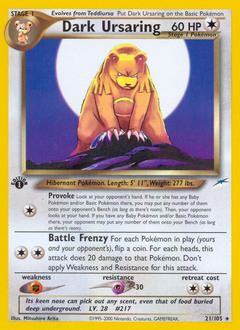
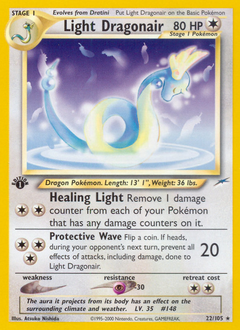
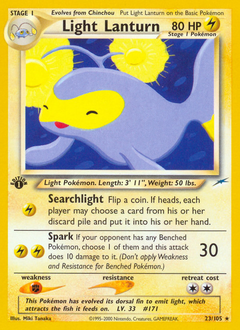
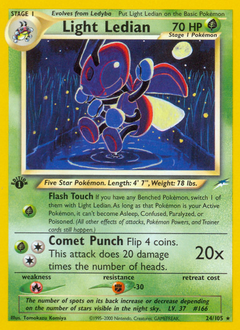
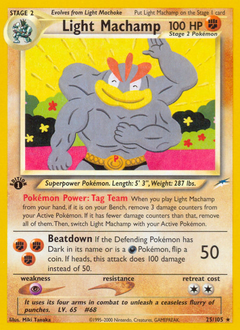
![Unown [G]](https://images.pokemontcg.io/neo4/27.png)
![Unown [H]](https://images.pokemontcg.io/neo4/28.png)
![Unown [W]](https://images.pokemontcg.io/neo4/29.png)
![Unown [X]](https://images.pokemontcg.io/neo4/30.png)
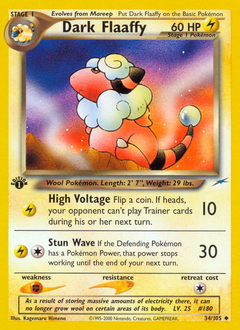
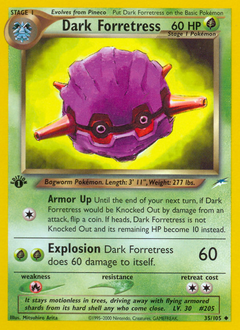
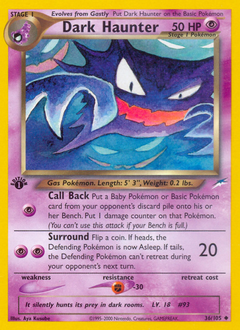
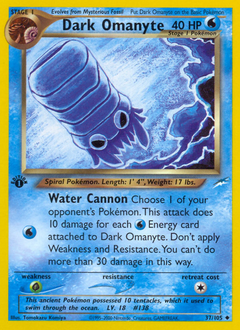
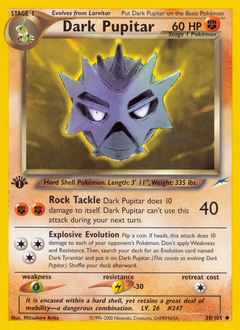
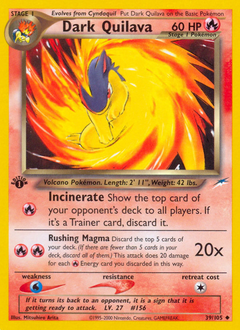
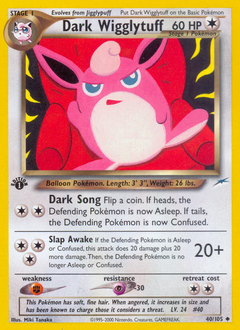
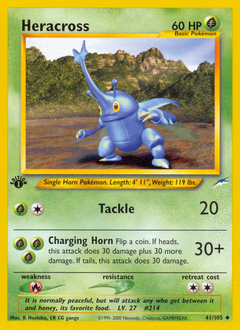
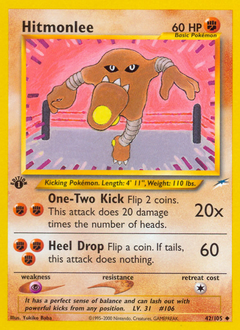
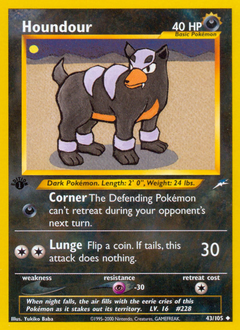
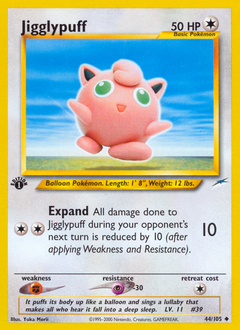
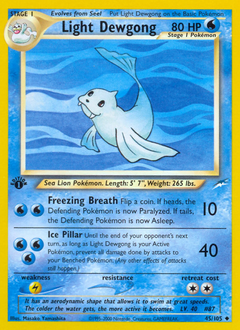
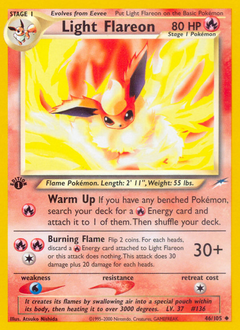
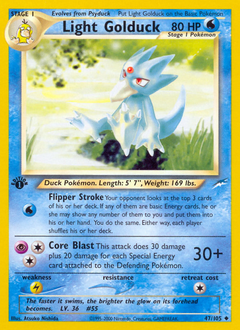
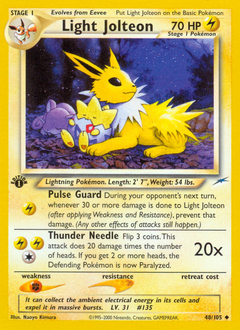
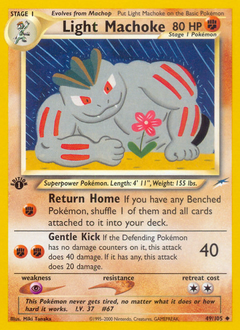
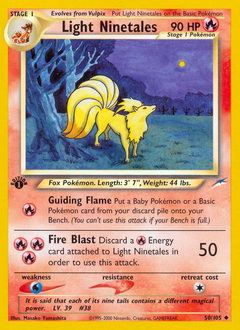
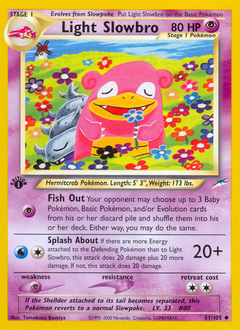
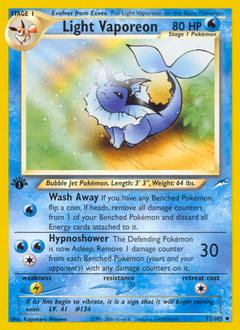
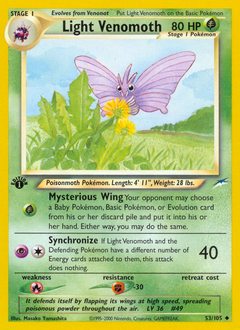
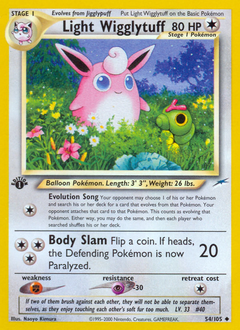
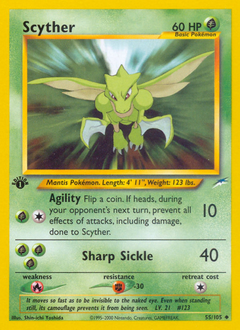
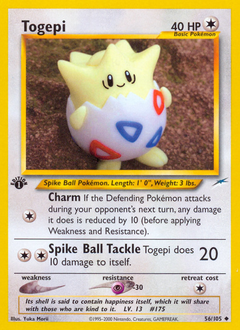
![Unown [C]](https://images.pokemontcg.io/neo4/57.png)
![Unown [P]](https://images.pokemontcg.io/neo4/58.png)
![Unown [Q]](https://images.pokemontcg.io/neo4/59.png)
![Unown [Z]](https://images.pokemontcg.io/neo4/60.png)
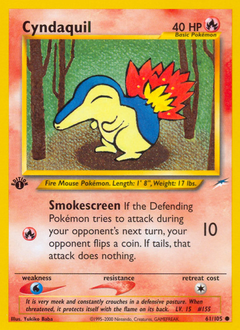
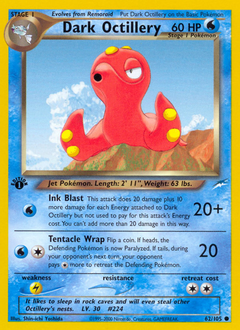
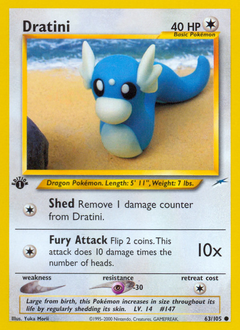
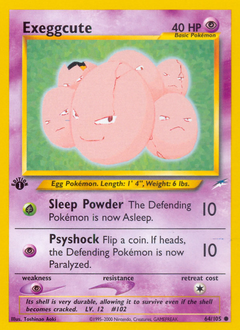
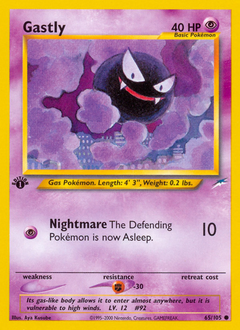
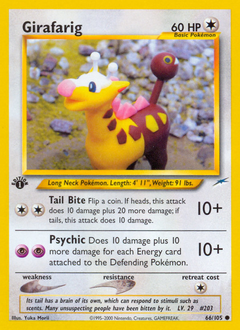
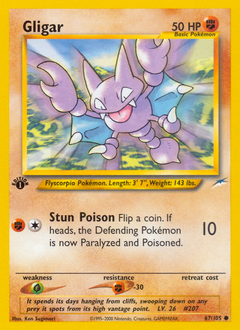
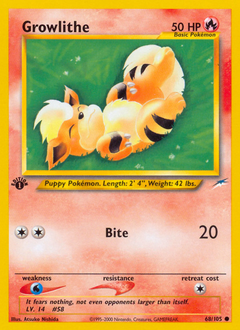
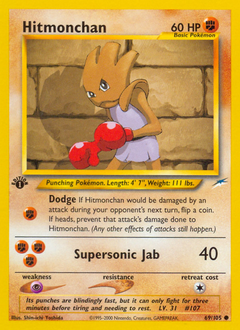
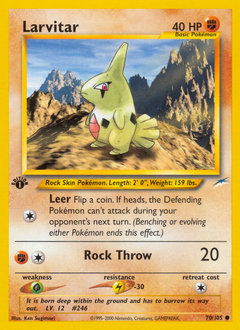
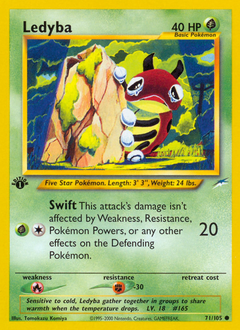
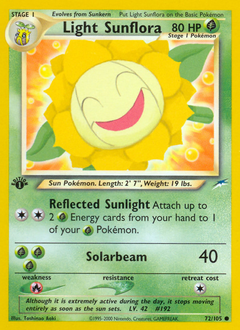
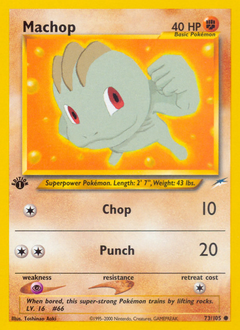
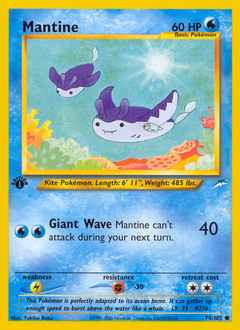
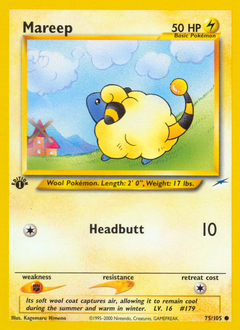
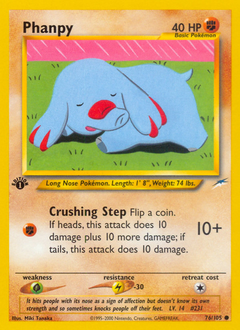
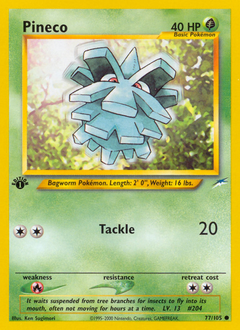
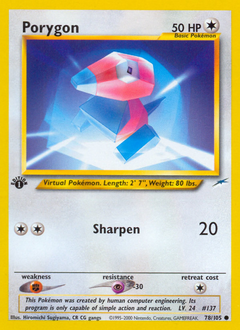
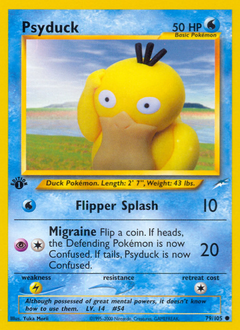
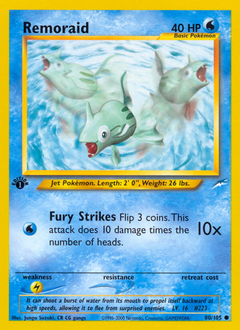
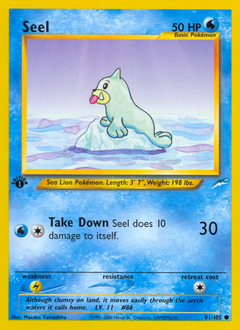
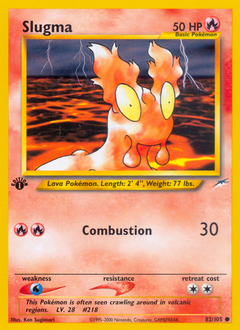
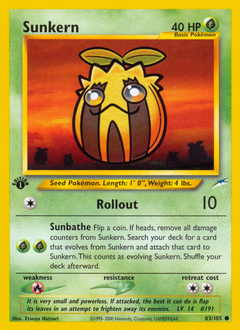
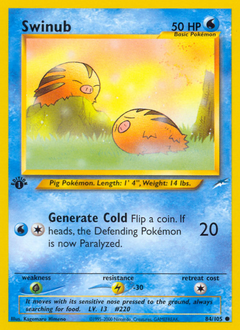
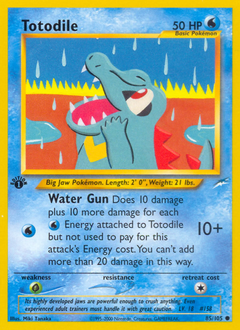
![Unown [L]](https://images.pokemontcg.io/neo4/86.png)
![Unown [S]](https://images.pokemontcg.io/neo4/87.png)
![Unown [T]](https://images.pokemontcg.io/neo4/88.png)
![Unown [V]](https://images.pokemontcg.io/neo4/89.png)
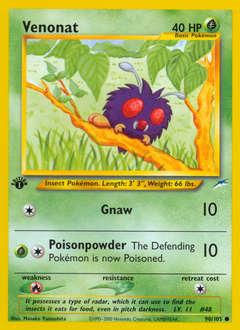
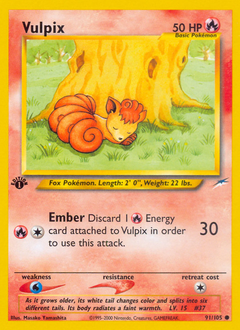
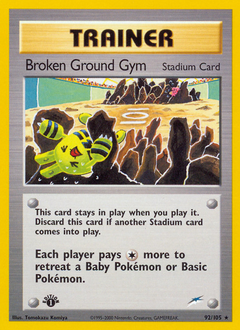
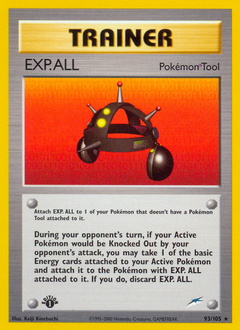
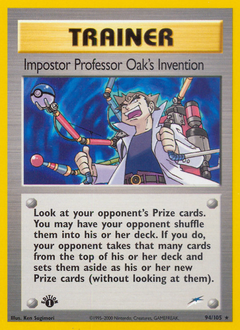
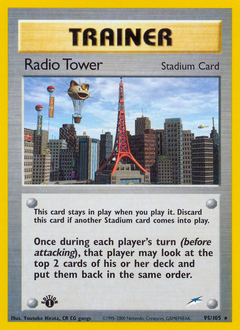
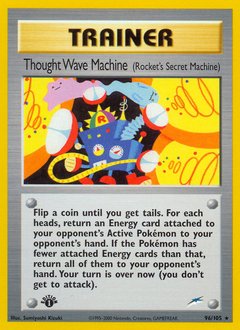
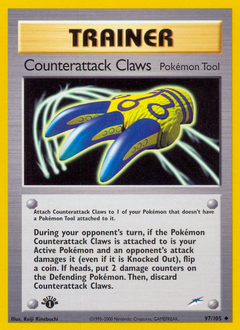
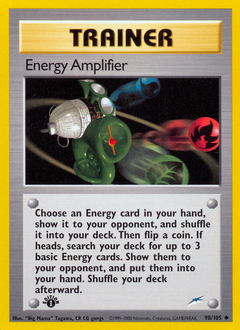
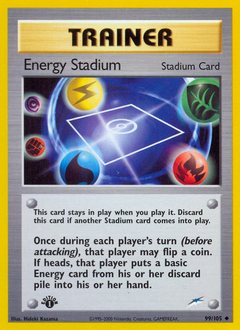
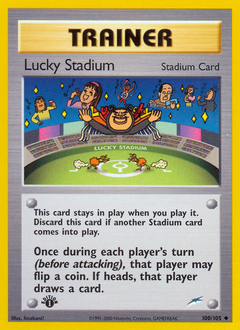
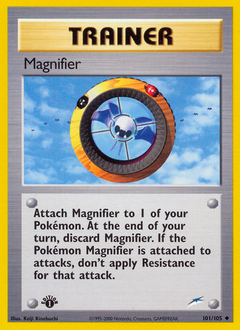
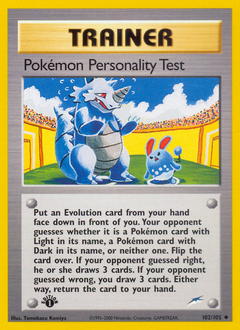
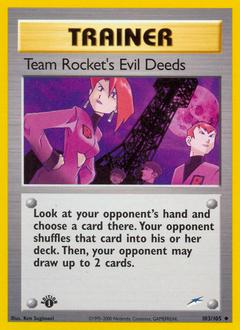
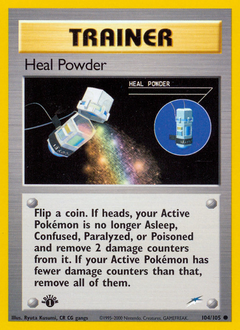
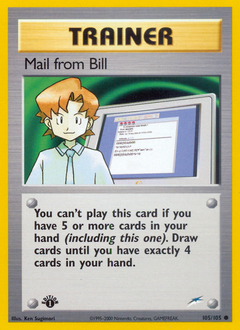
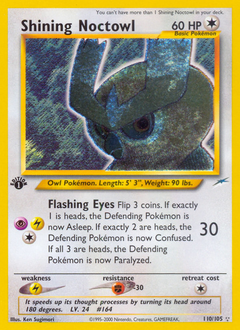
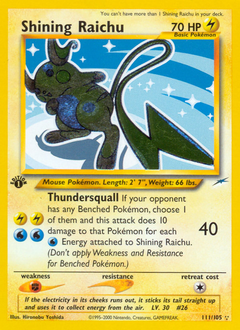
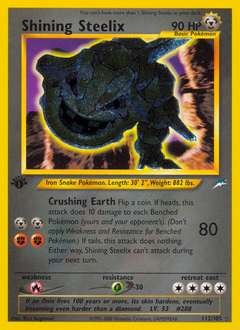
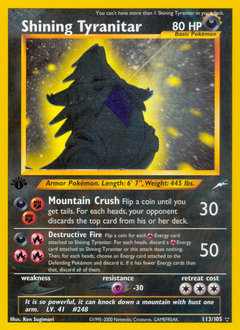
No cards match these filters.
§ 02 — About Neo Destiny
A look inside the set.
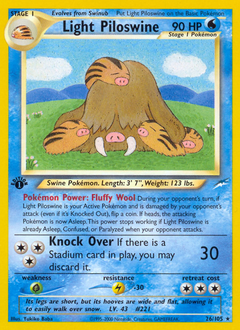
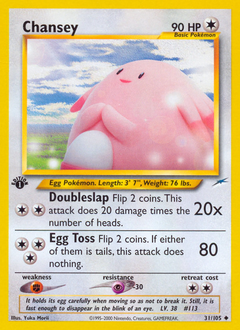
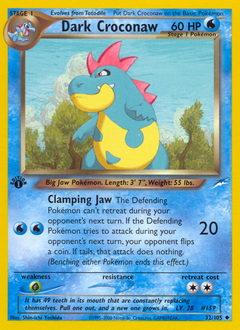
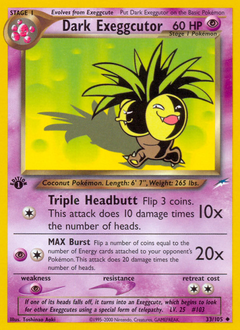
Neo Destiny presents a broad, Pokémon-forward collection of 113 cards, with 98 Pokémon supported by 14 Trainer cards and a single Energy. The set’s structure is anchored by commons and uncommons, then lifted by a smaller band of rares, Rare Holos, and a distinct group of eight Rare Shining cards. Visually, it reads clean and approachable: simple, focused compositions dominate, often centered on character-first scenes with balanced framing.
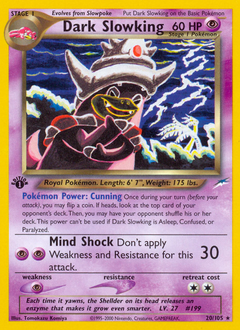
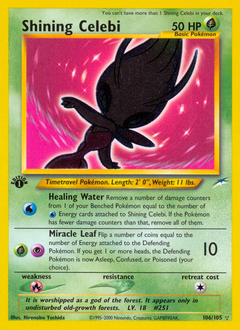
Across the set, the prevailing language is cartoonish and traditional, frequently playful and lighthearted, with occasional turns toward the mysterious. Color is a defining constant—vibrant palettes and strong contrast appear again and again, softened at times by pastel and gentle tones. For highlights, Shining Charizard and Shining Celebi sit at the top of the set’s visual conversation, while Dark Slowking adds a moodier counterpoint within the same clear, character-led approach.
I · Visual identity
Neo Destiny leans into playful, lighthearted illustration with a strong cartoonish and traditional mix, occasionally edged by mysterious notes. Compositions are predominantly simple and focused—clear silhouettes, balanced framing, and character-forward staging—while color stays vivid and often contrasting, with pastel and soft treatments used as gentle relief.
II · Illustrators
The set’s artist roster is led by CR CG gangs and Ken Sugimori in overall presence, with substantial contributions from Atsuko Nishida and Tomokazu Komiya. Together, they help define the set’s range—from clean, readable character presentation to more whimsical, offbeat interpretations—while staying within the set’s generally focused compositional habits.
§ 03 — Featured
Cards worth lingering on.
Editorial picks — by visual identity, mood, and the work that defines this set's character.
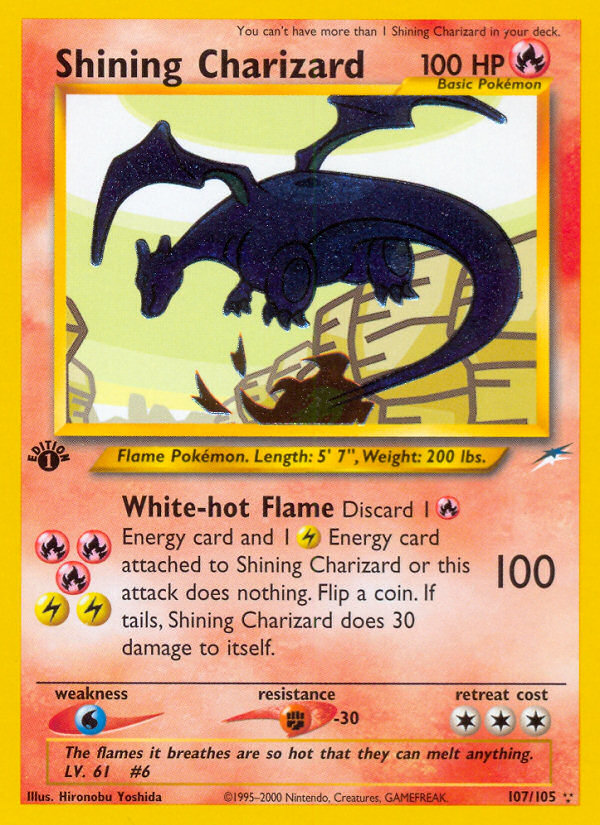
Shining Charizard
№ 107
by Hironobu Yoshida
Rare Shining
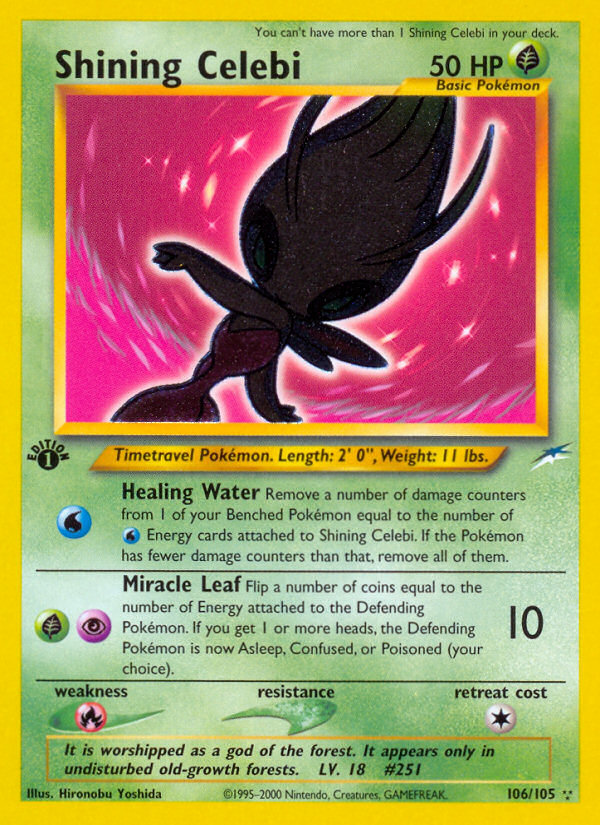
Shining Celebi
№ 106
by Hironobu Yoshida
Rare Shining
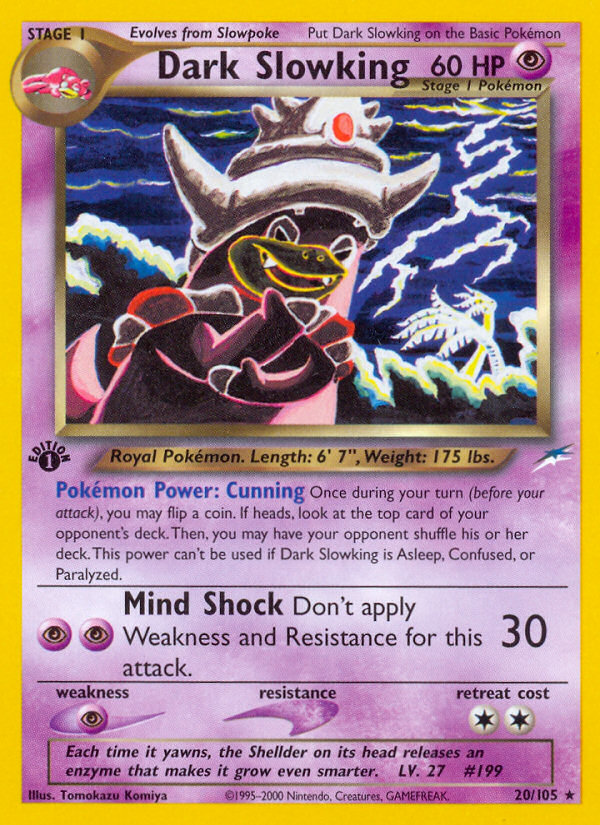
Dark Slowking
№ 020
by Tomokazu Komiya
Rare
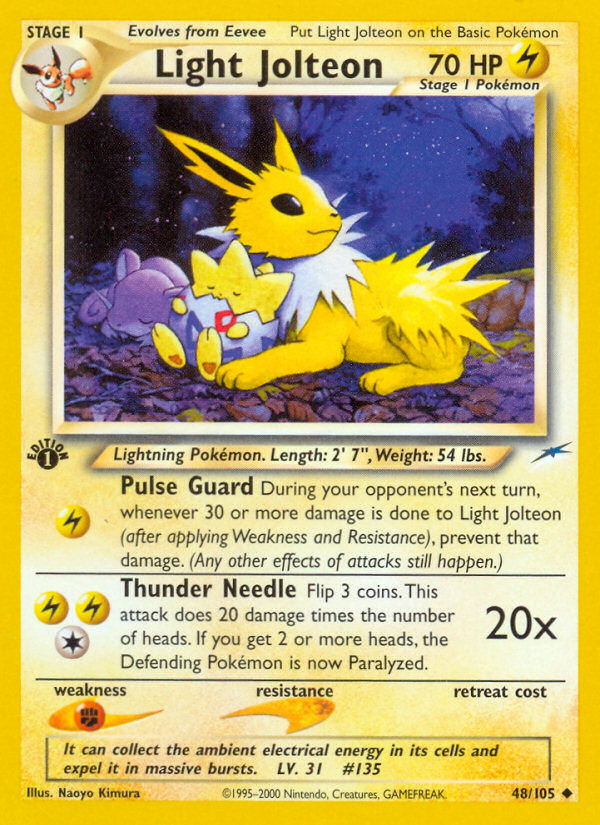
Light Jolteon
№ 048
by Naoyo Kimura
Uncommon
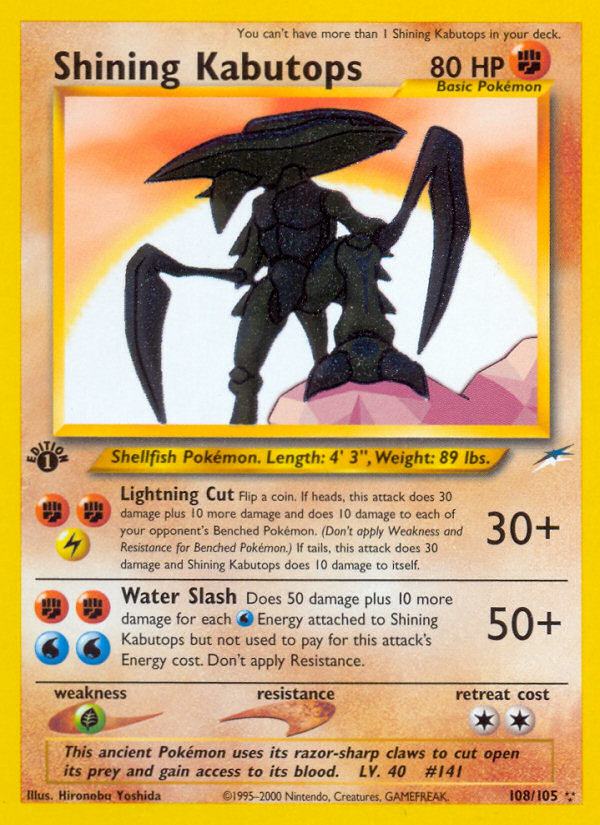
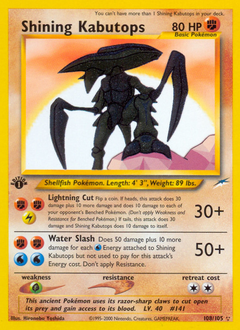
Shining Kabutops
№ 108
by Hironobu Yoshida
Rare Shining
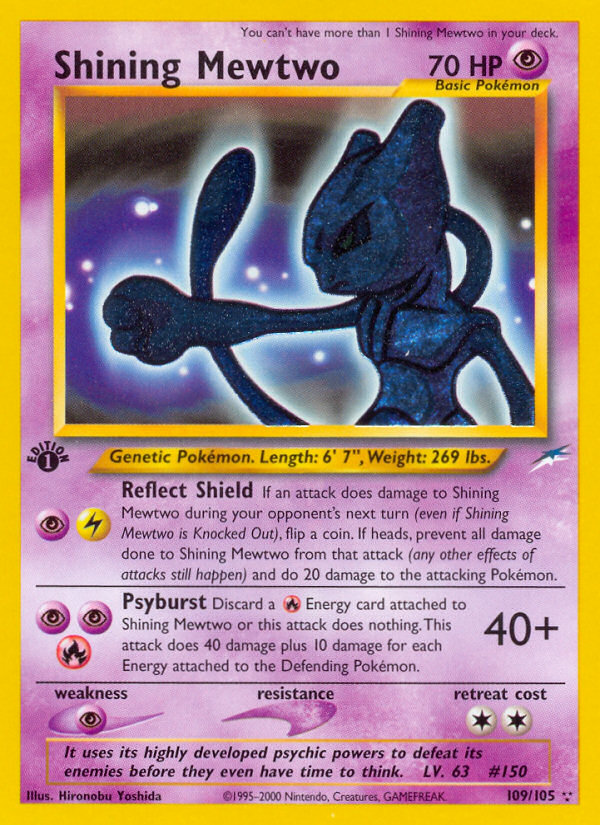
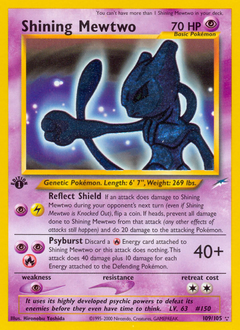
Shining Mewtwo
№ 109
by Hironobu Yoshida
Rare Shining
§ 04 — Entry points
Two ways in.
By the hands behind it, or by the Pokémon featured. Both threads continue across the wider Artchu catalogue.