- Released
- Sep 2022
- Cards
- 196 printed
- Illustrators
- 82
- Top card
- Giratina V $578
- Series
- Sword & Shield
- Era
- Sword & Shield era
152 unique Pokémon 177 Pokémon · 39 Trainer · 1 Energy Average market $4.55
§ 01 — The full checklist
Browse the 196 cards.
Filter by type, rarity, illustrator.
Showing 217 of 217 cards
Rarity
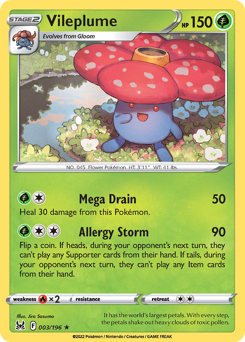
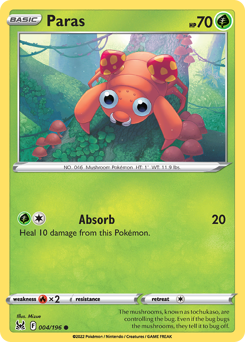
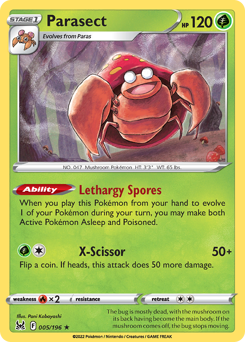
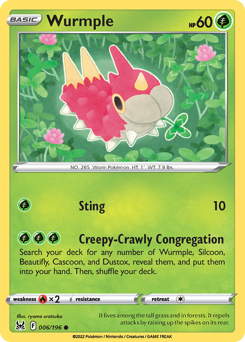
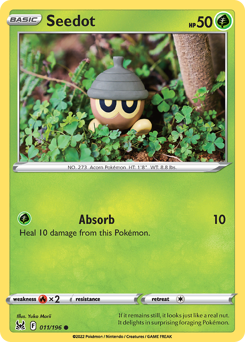
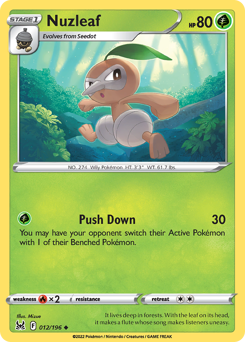
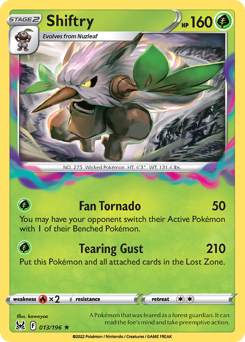
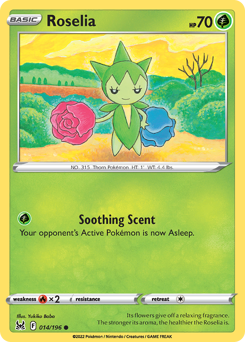
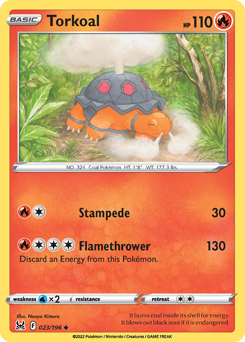
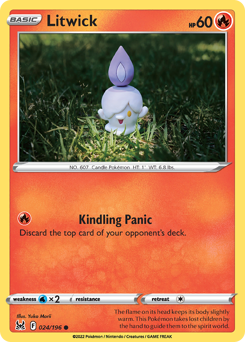
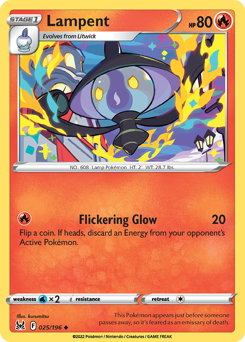
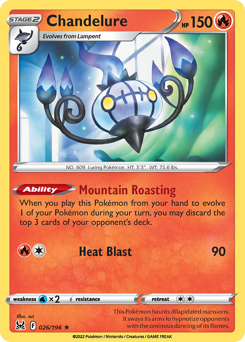
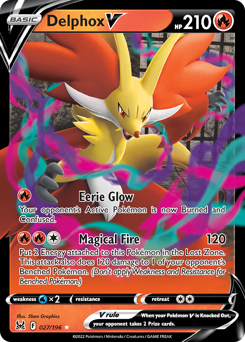
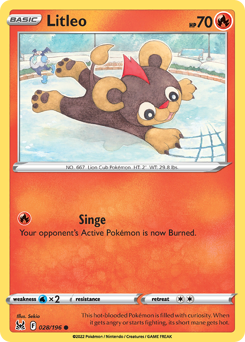
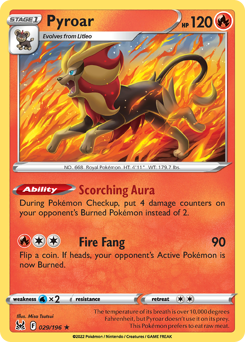
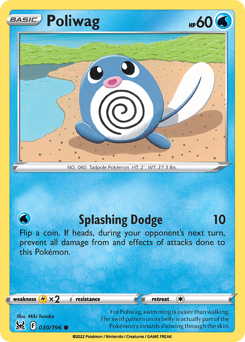
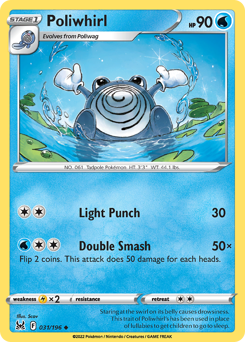
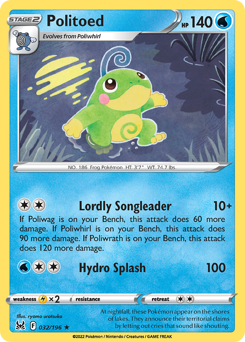
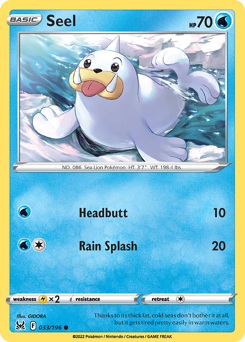
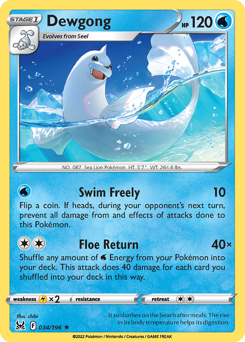
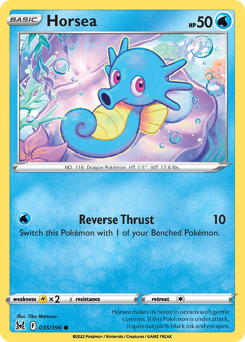
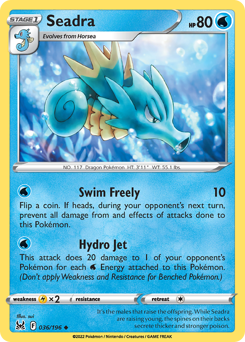
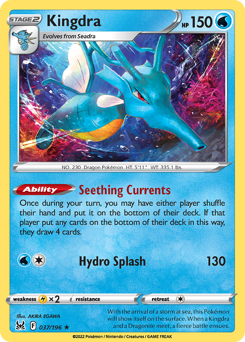
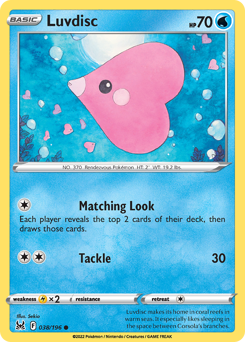
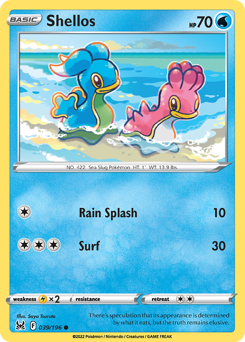
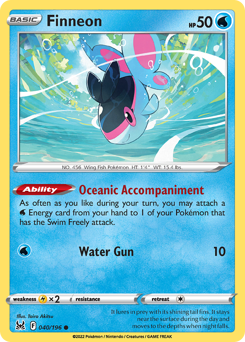
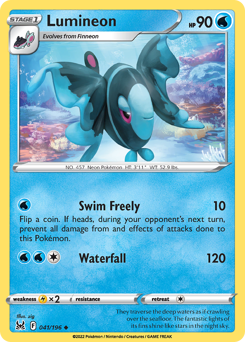
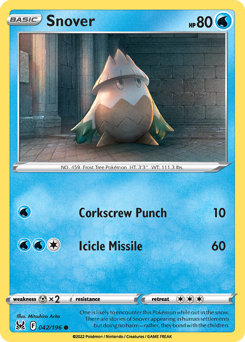
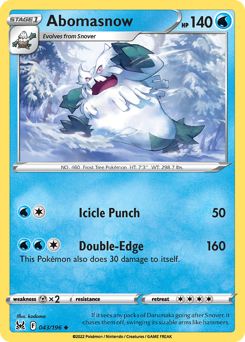
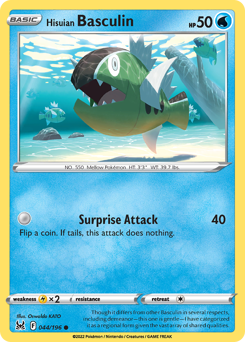
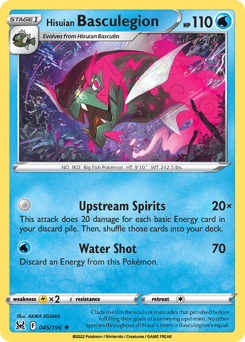
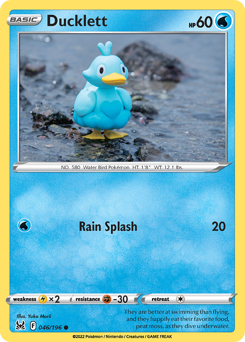
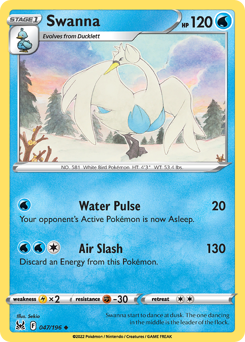
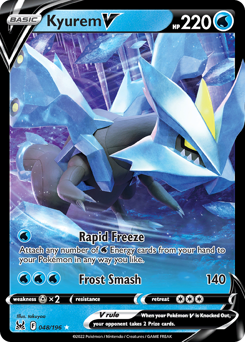
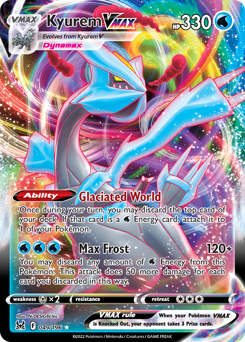
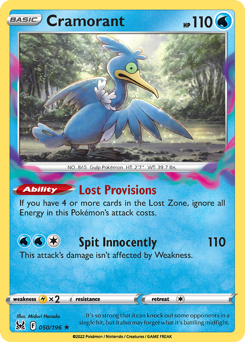
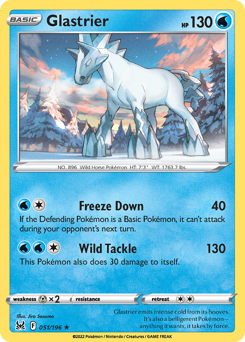
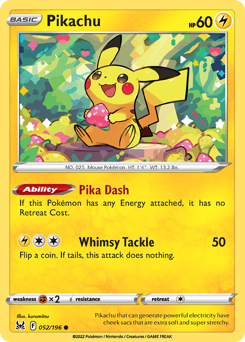
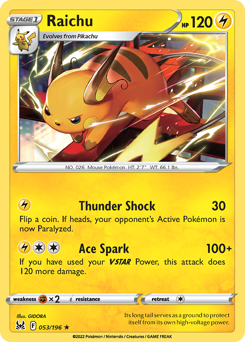
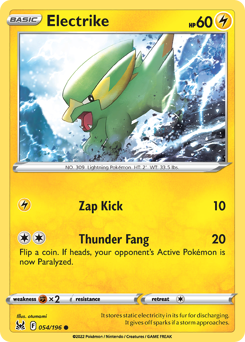
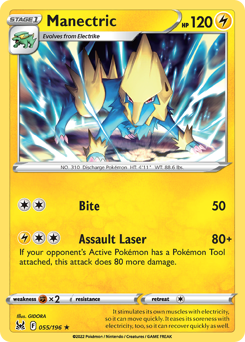
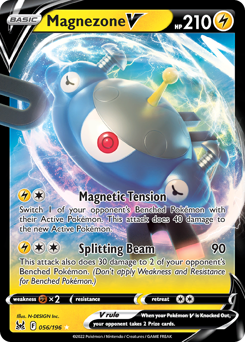
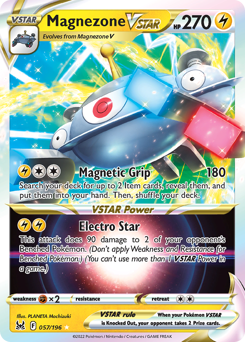
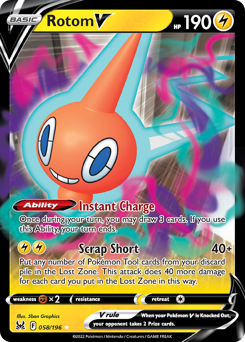
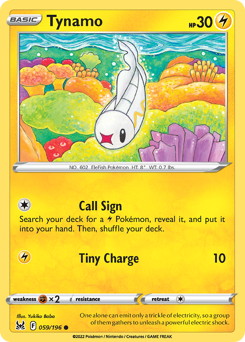
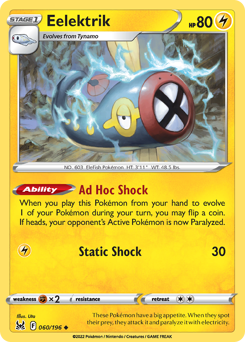
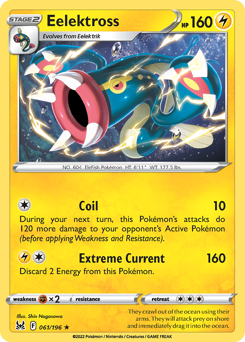
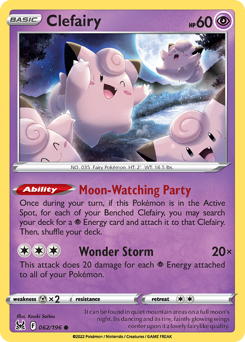
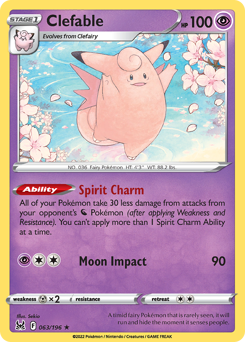
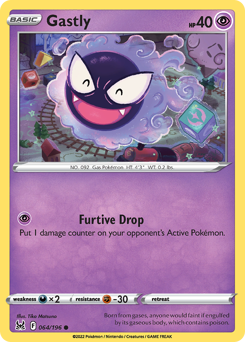
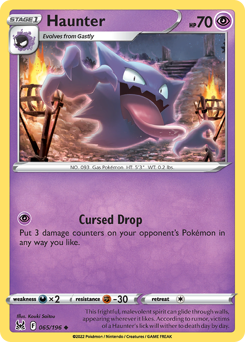
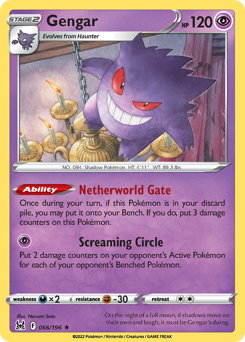
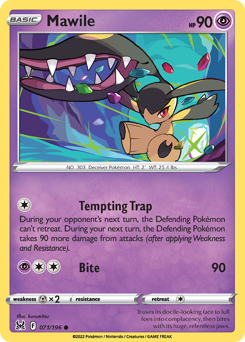
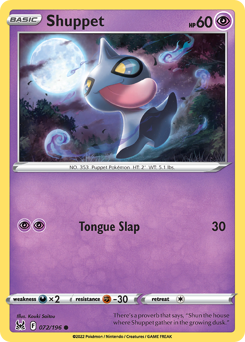
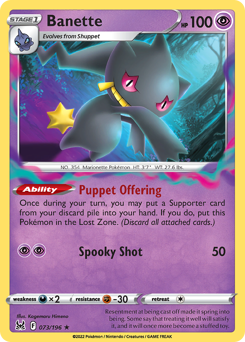
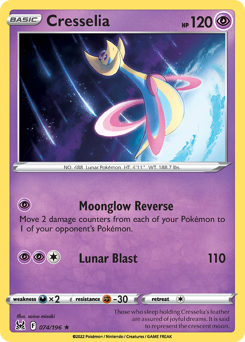
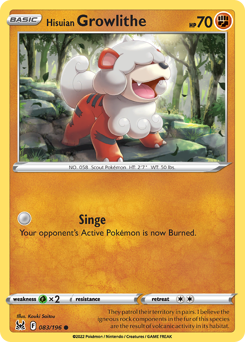
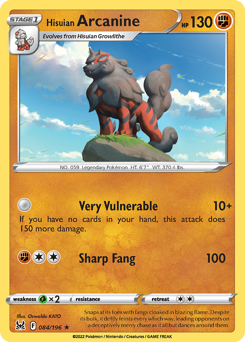
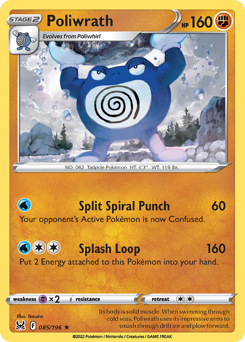
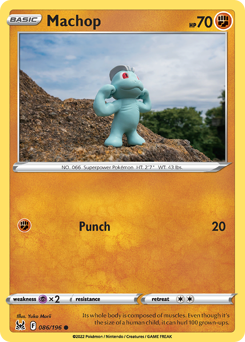
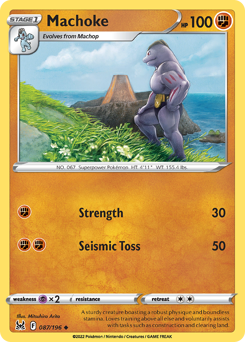
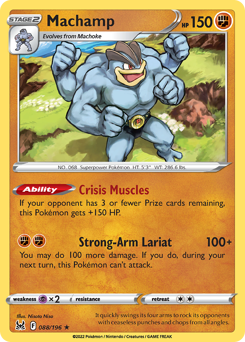
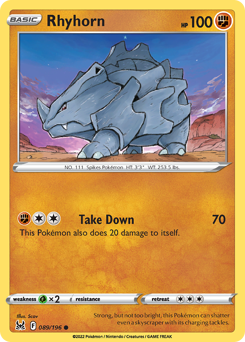
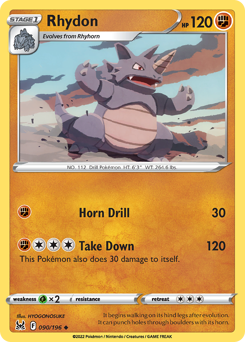
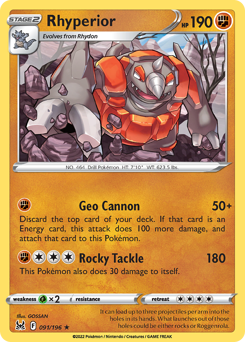
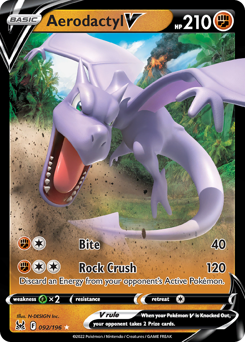
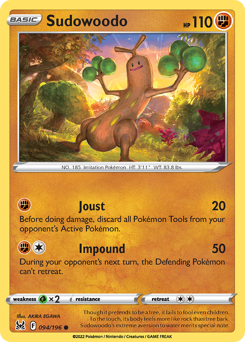
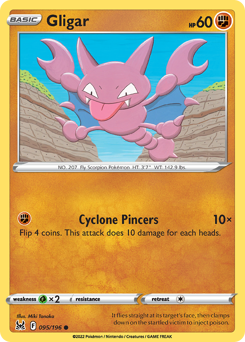
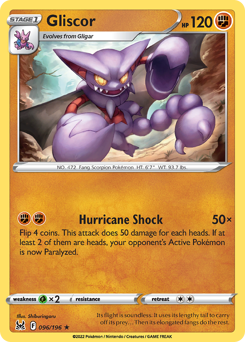
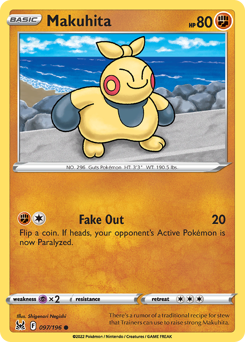
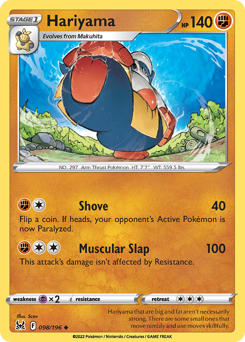
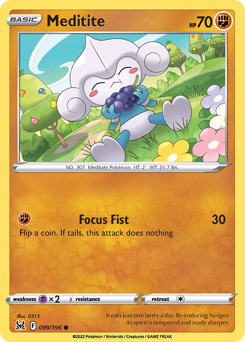
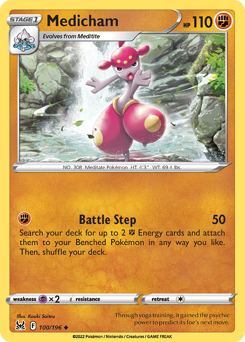
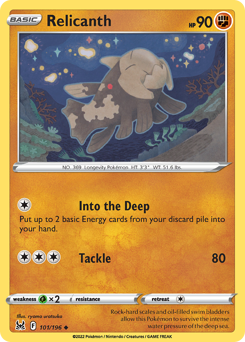
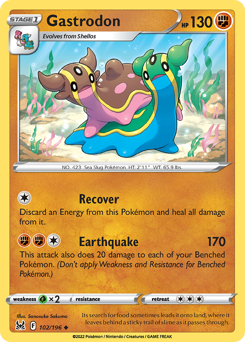
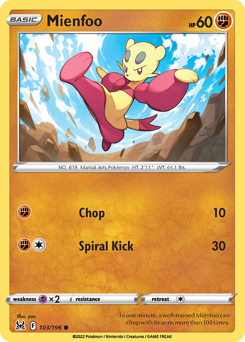
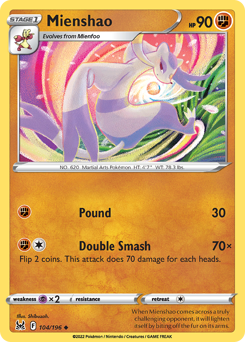
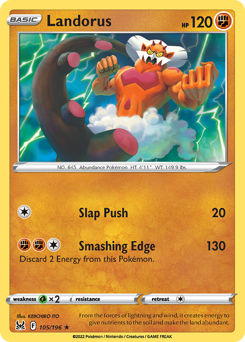
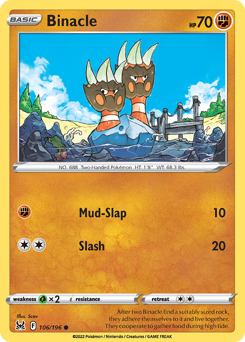
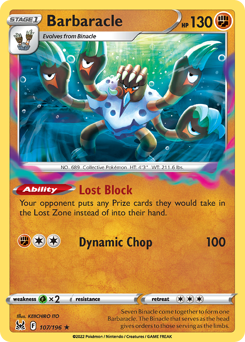
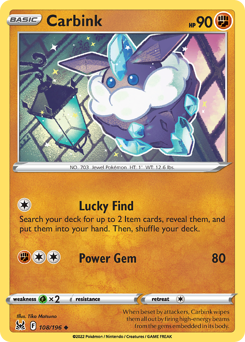
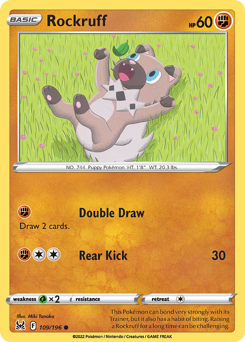
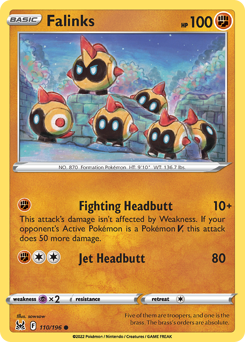
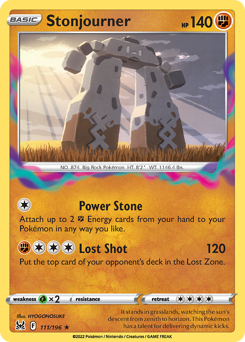
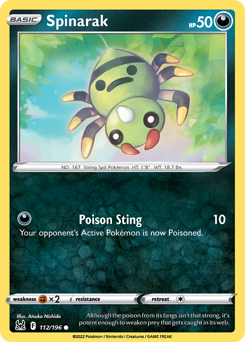
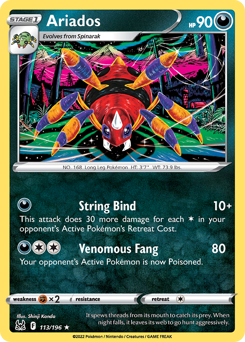
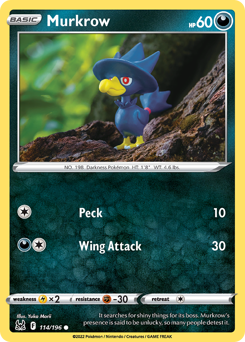
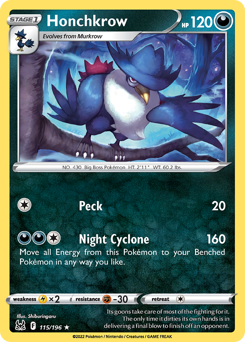
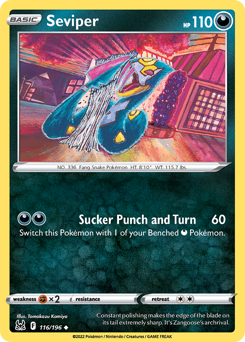
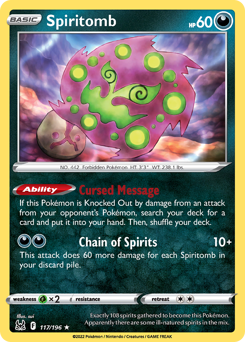
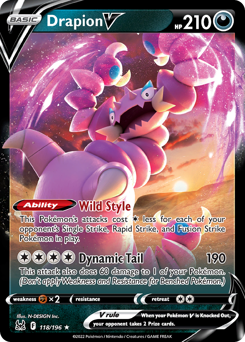
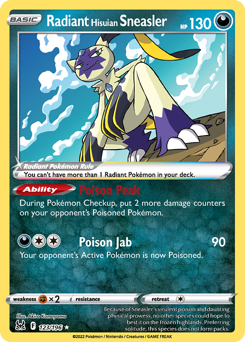
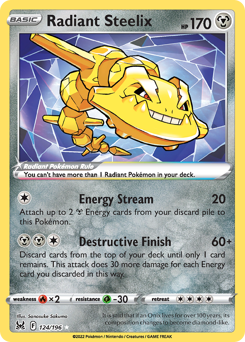
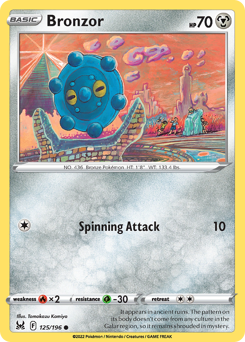
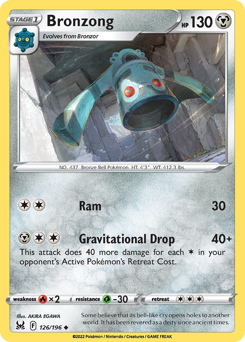
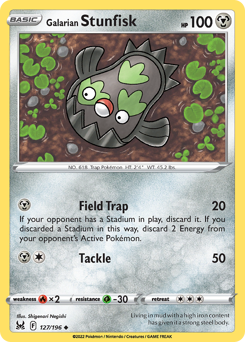
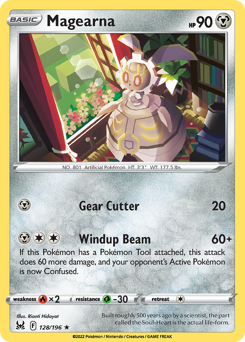
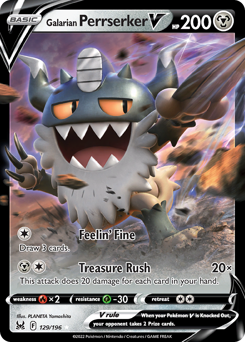
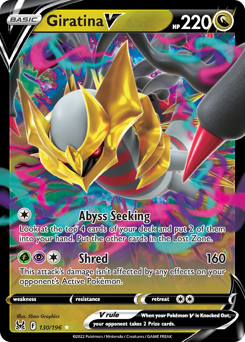
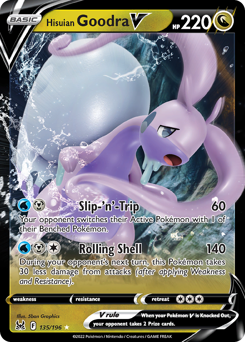
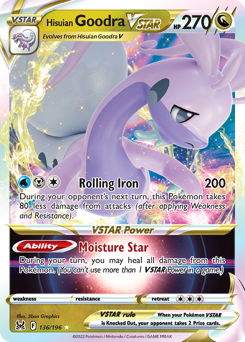
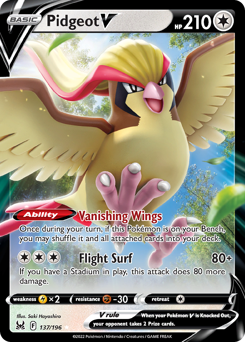
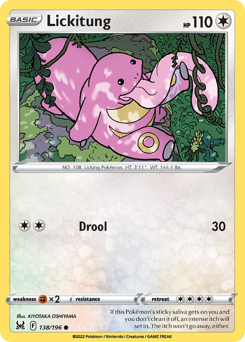
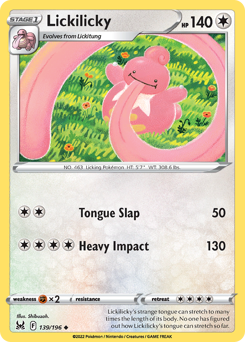
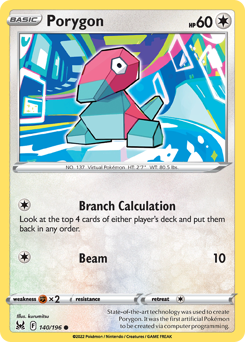
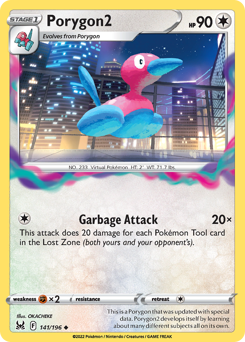
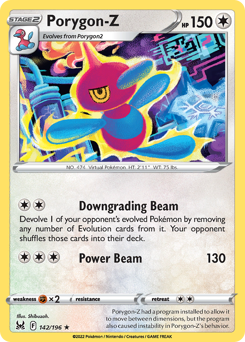
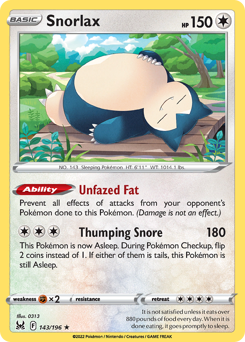
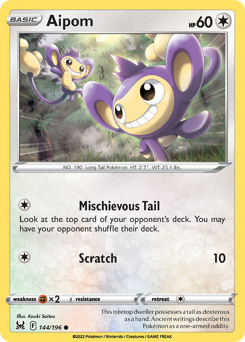
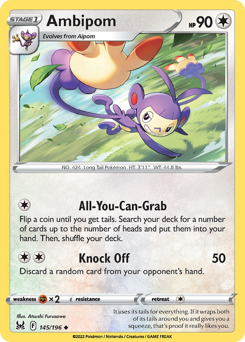
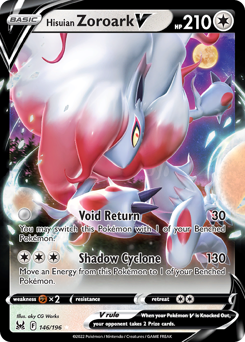
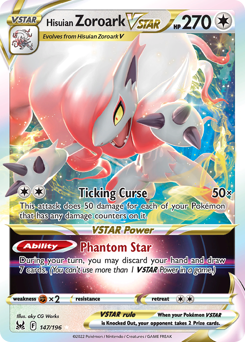
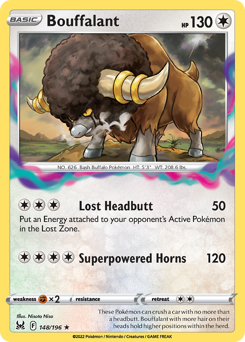
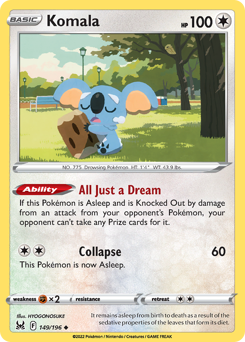
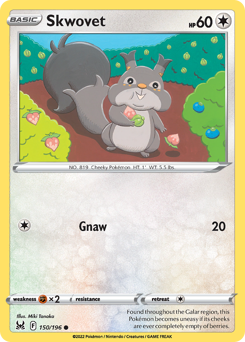
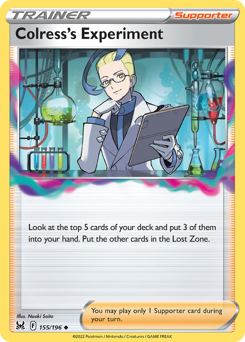
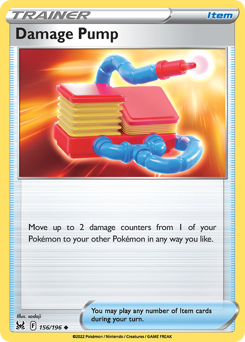
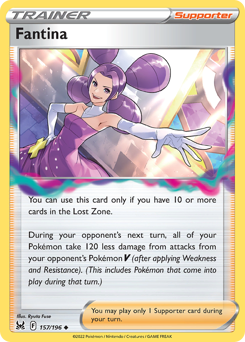
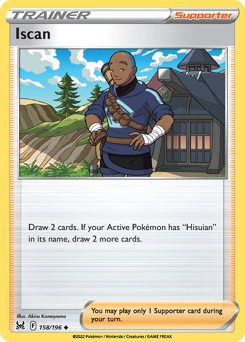
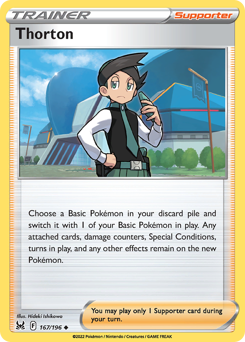
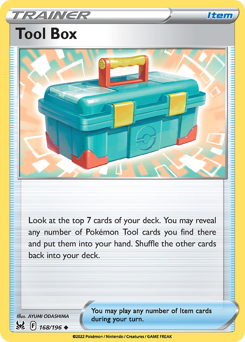
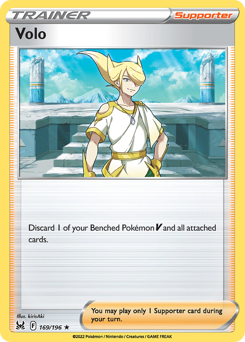
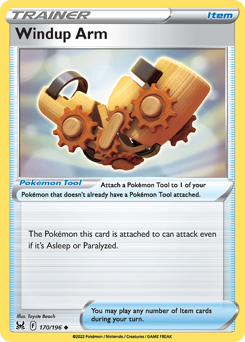
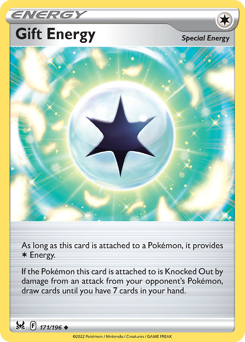
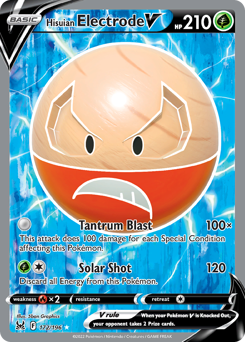
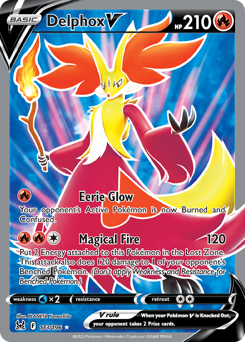
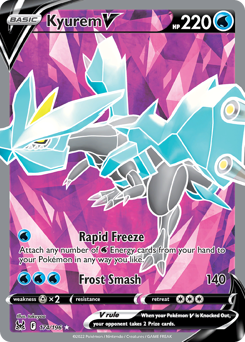
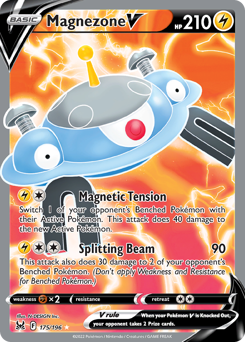
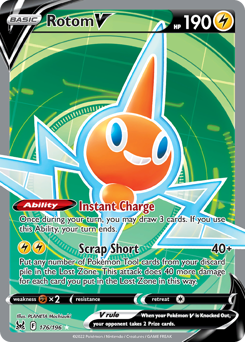
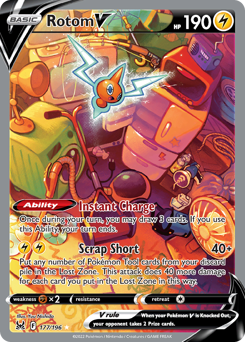
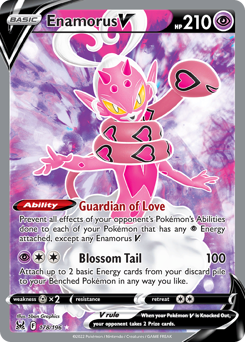
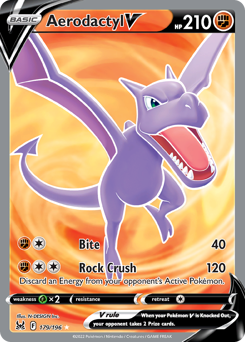
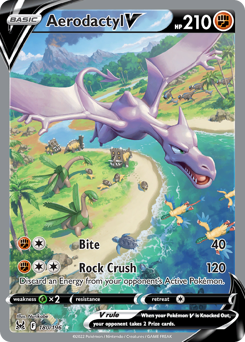
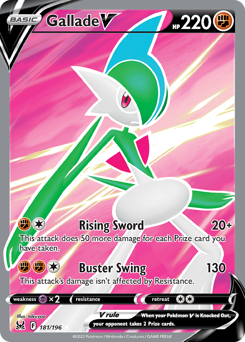
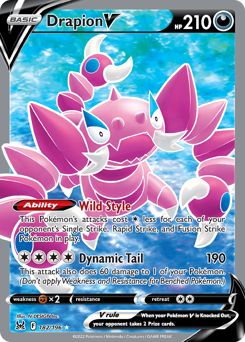
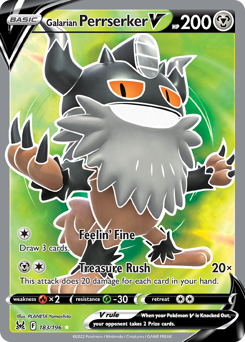
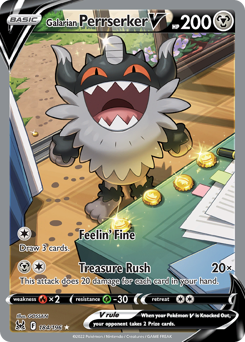
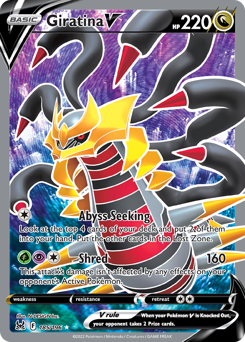
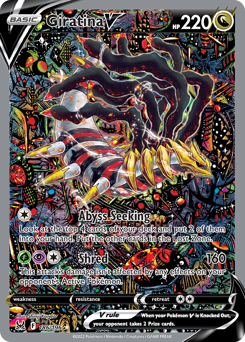
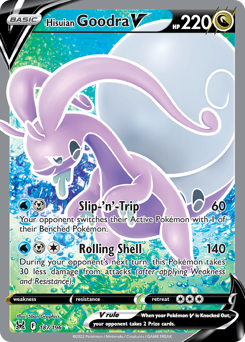
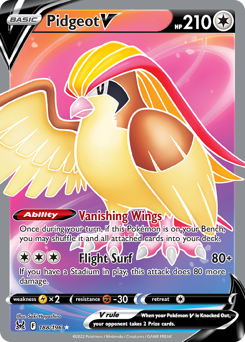
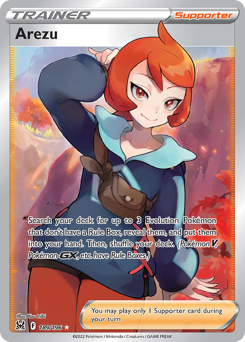
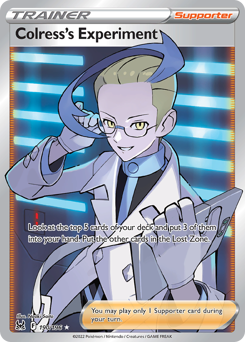
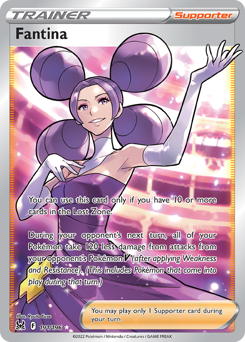
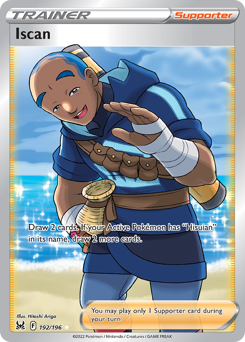
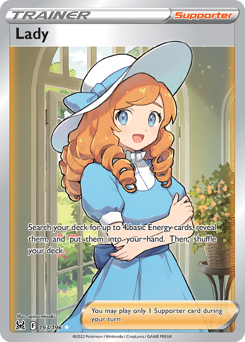
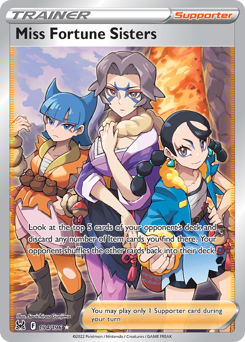
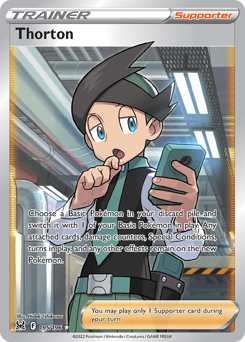
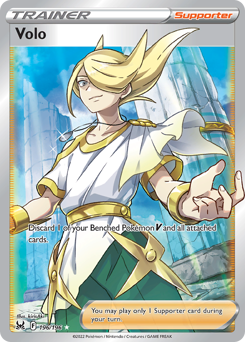
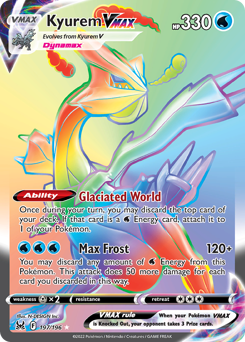
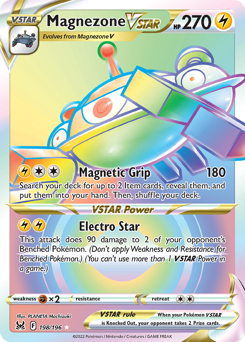
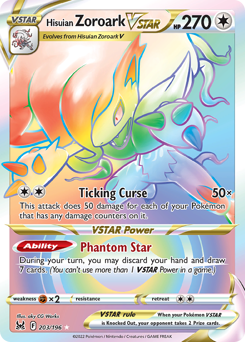
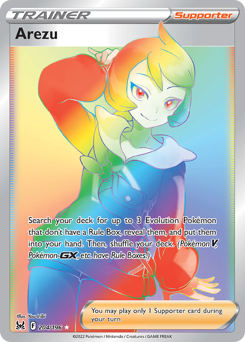
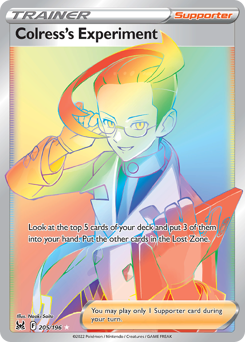
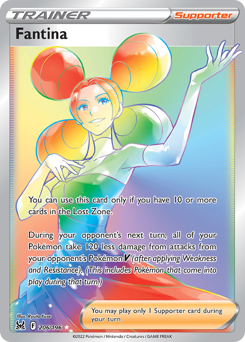
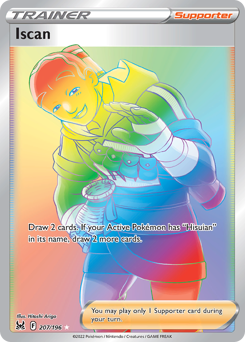
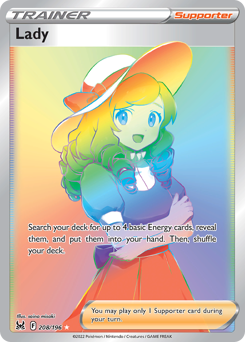
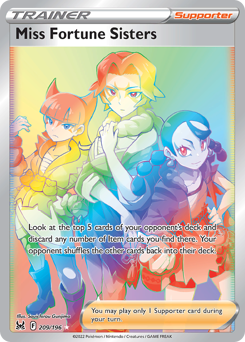
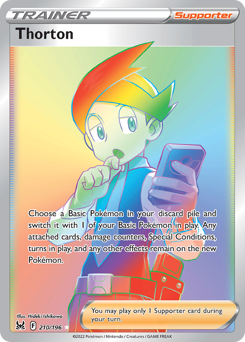
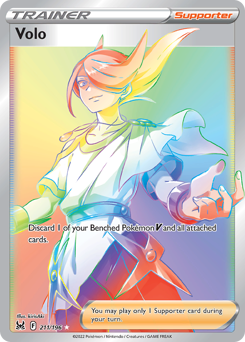
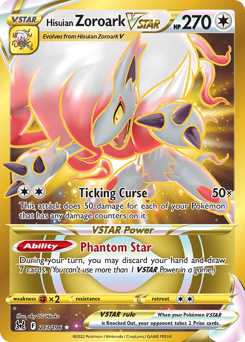
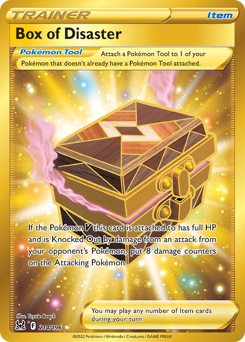
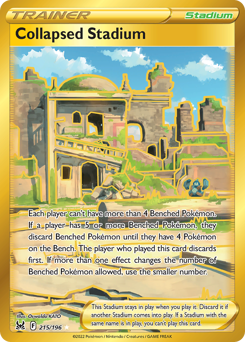
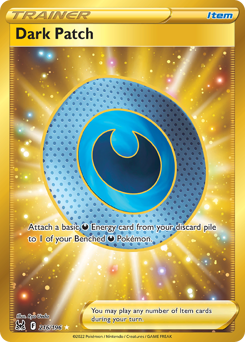
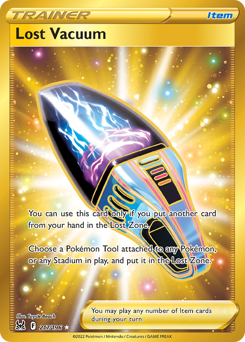
No cards match these filters.
§ 02 — About Lost Origin
A look inside the set.
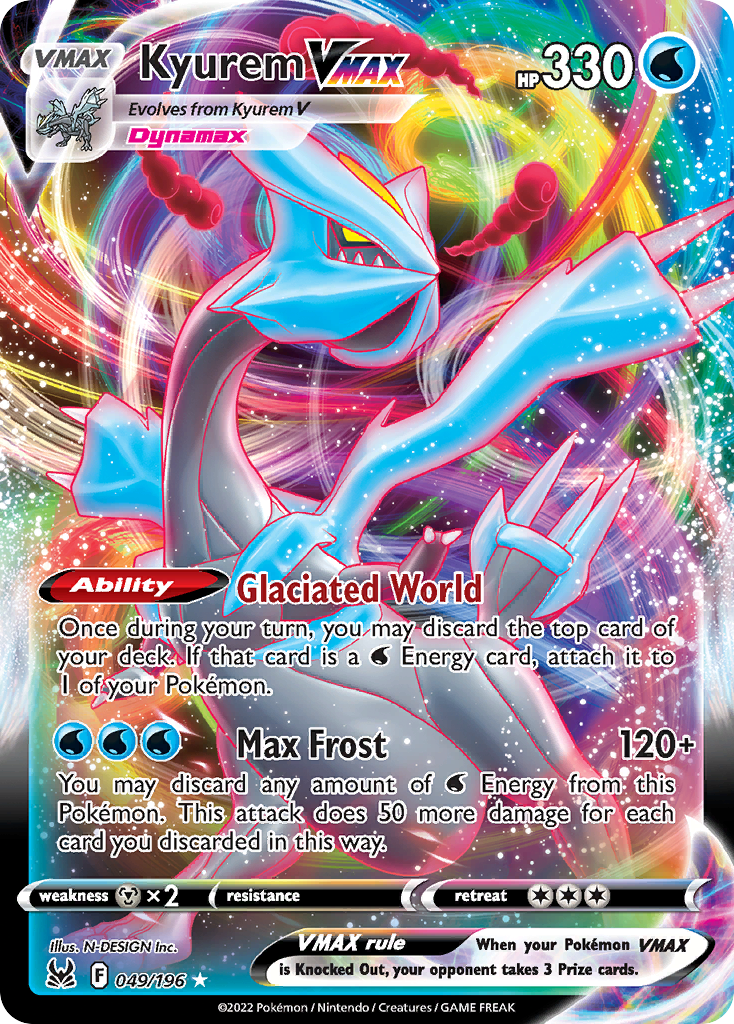
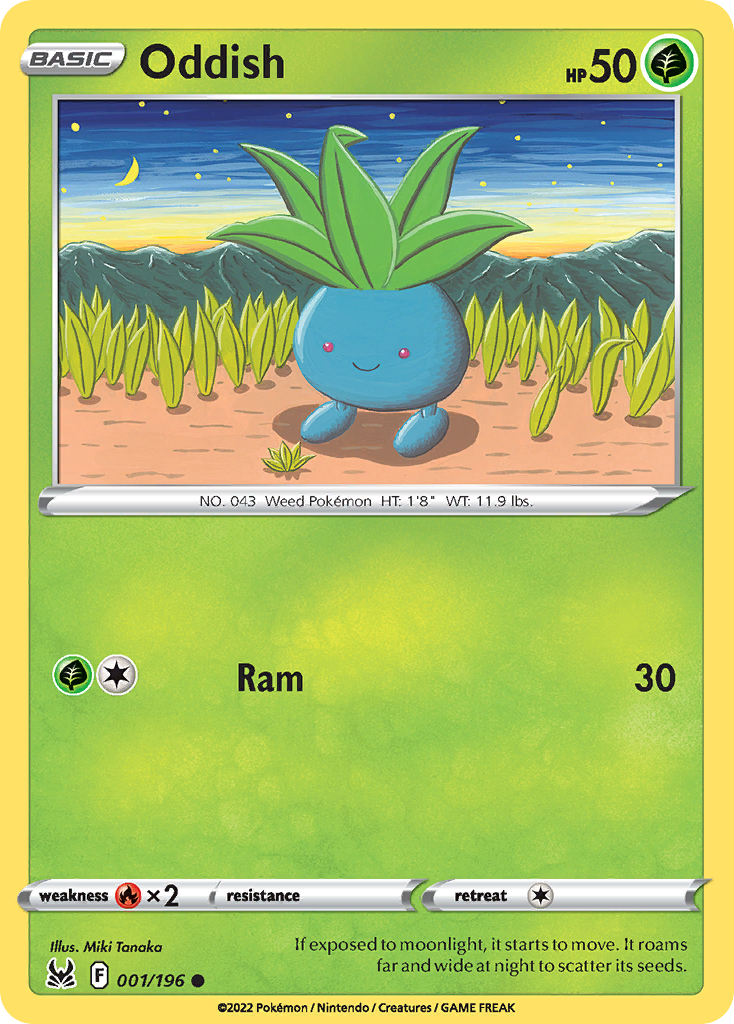
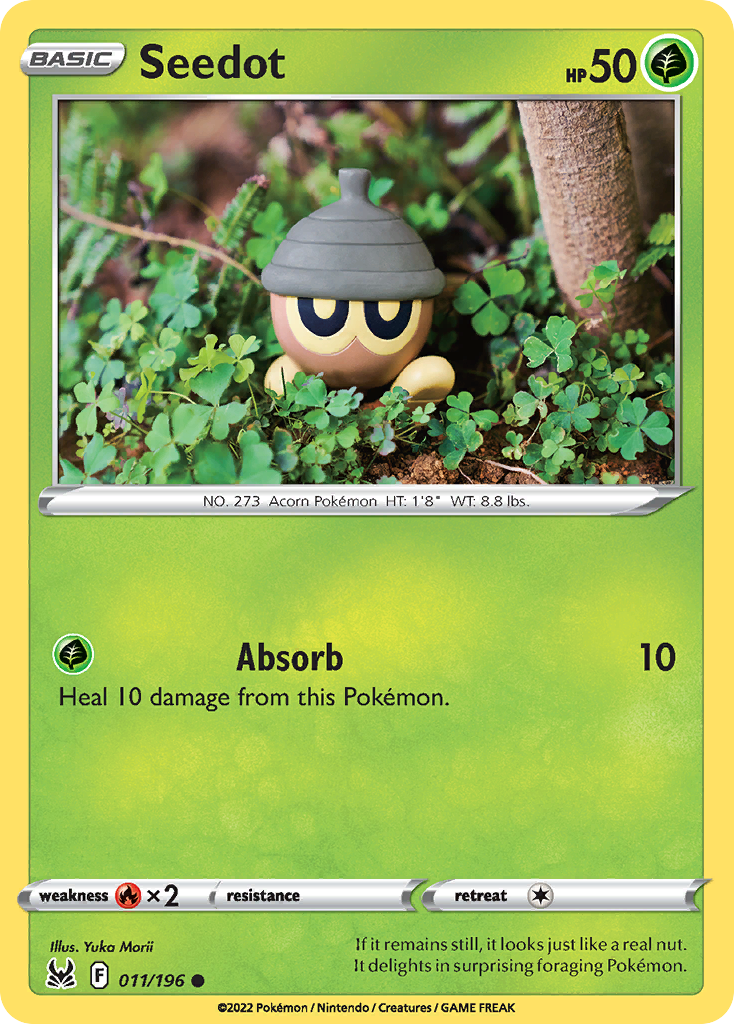
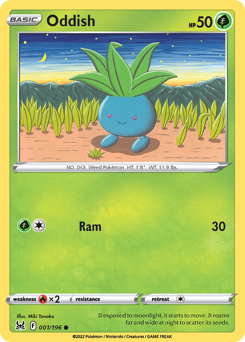
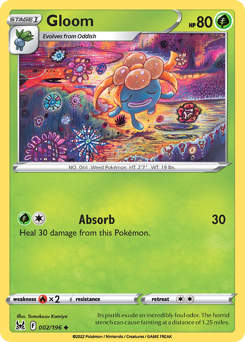
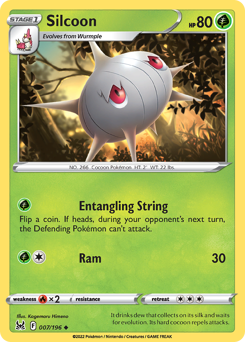
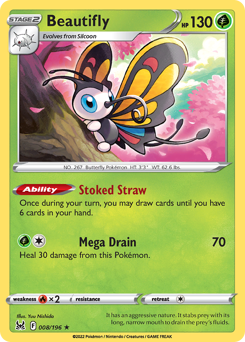
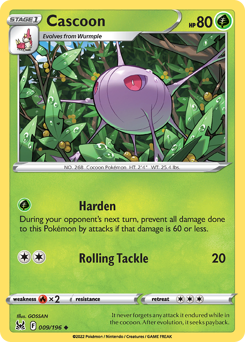
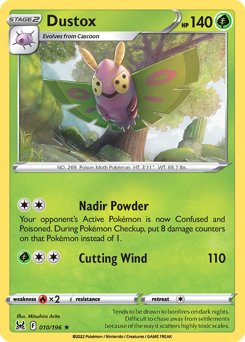
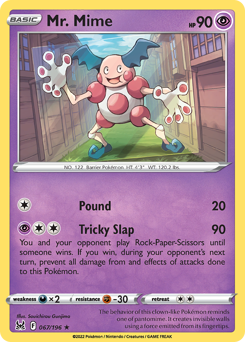
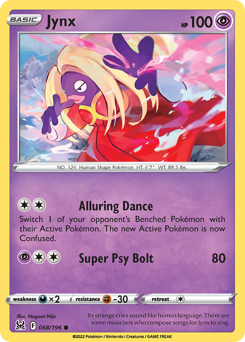
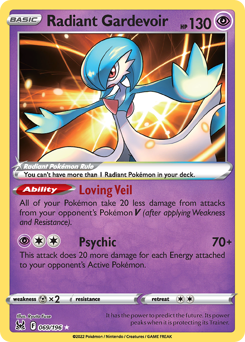
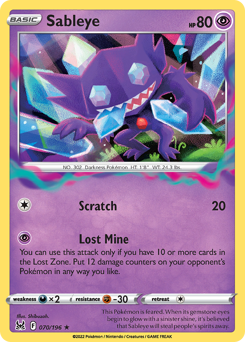
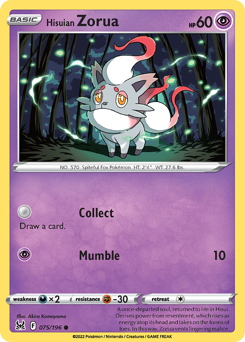
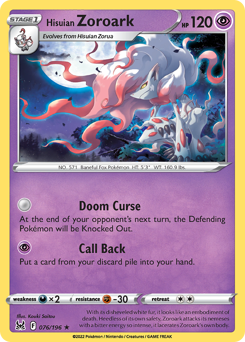
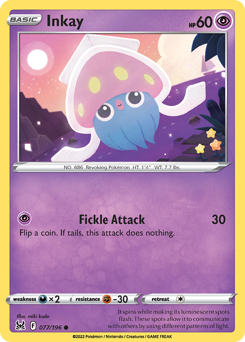
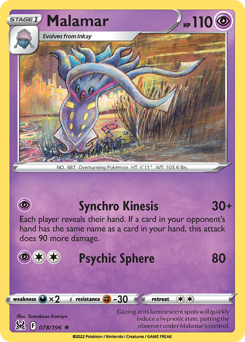
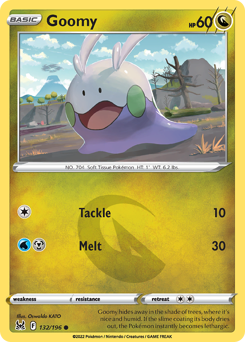
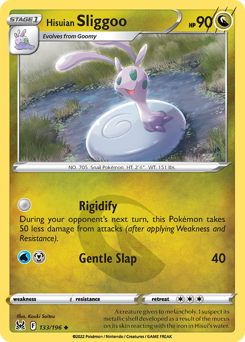
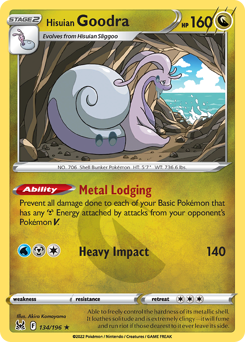
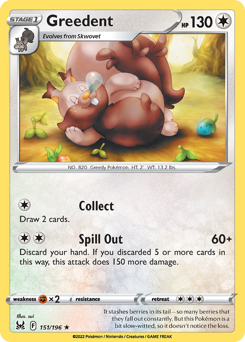
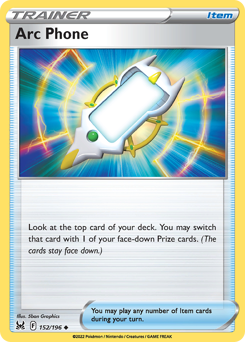
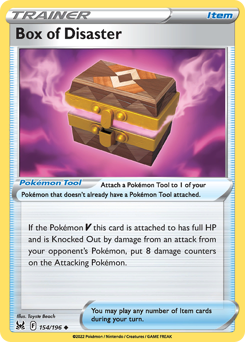
Lost Origin (Sword & Shield) presents a 217-card collection with a clear structural tilt toward Pokémon artwork: 177 Pokémon cards, 39 Trainers, and a single Energy. The rarity spread runs from a broad base of Common and Uncommon through a substantial layer of Ultra, Holo, Rainbow, and Secret cards, giving the set a wide range of finishes and visual density. Across 82 illustrators and 152 Pokémon, the overall look trends digital, cartoonish, and colorful, with playful and energetic moods leading the set’s tone.
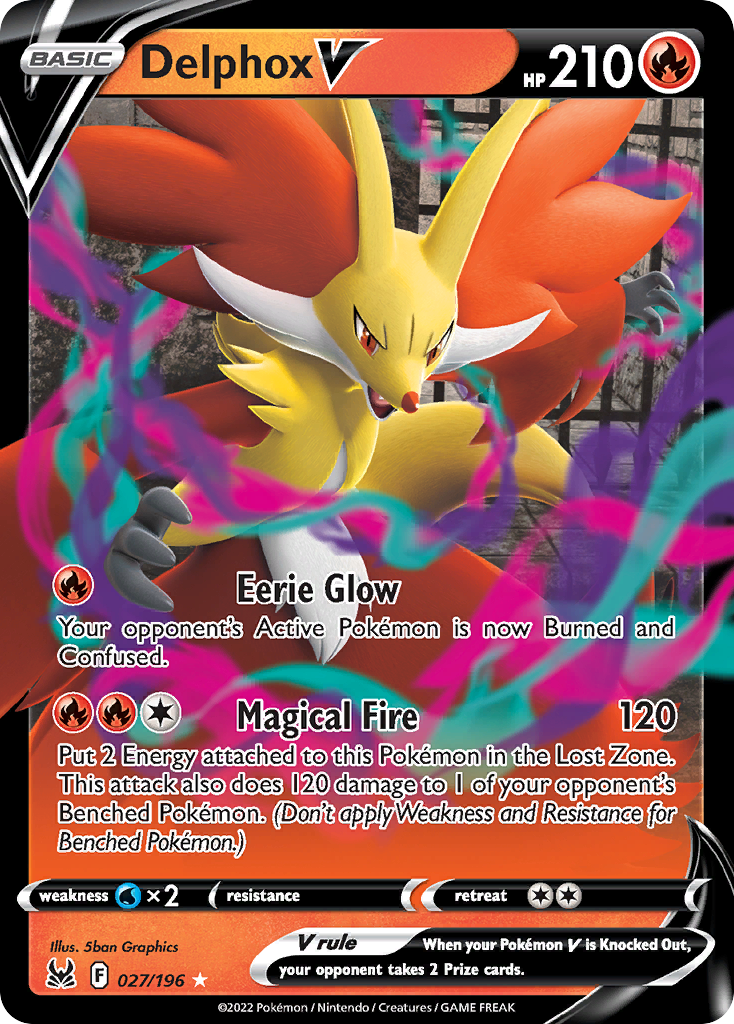
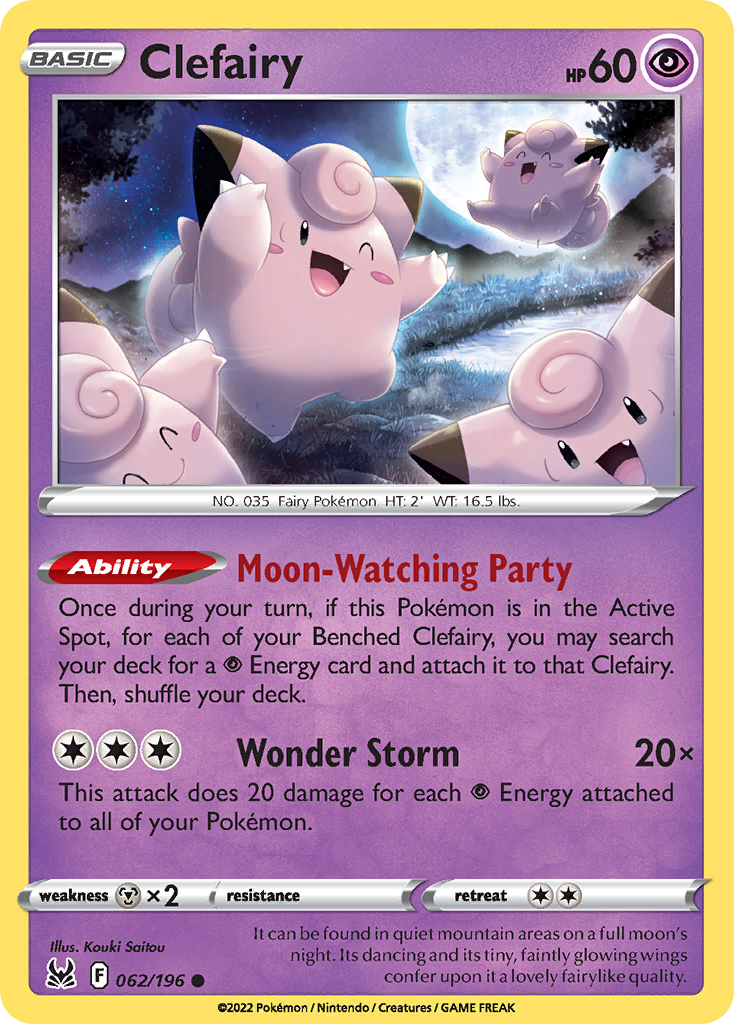
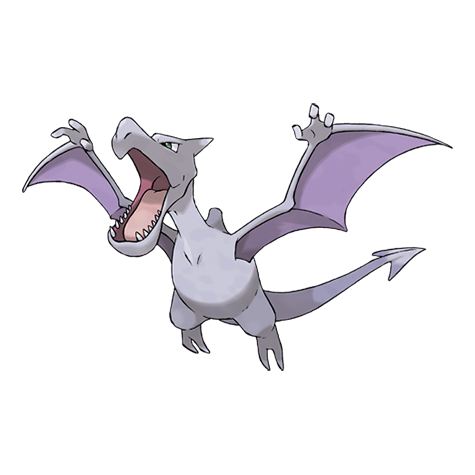
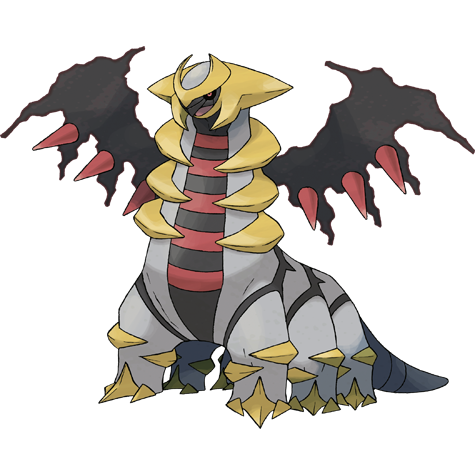
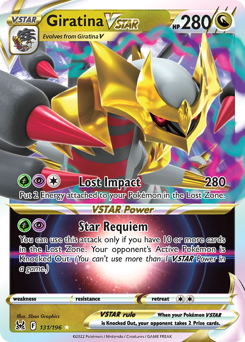
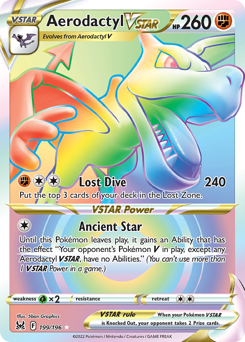
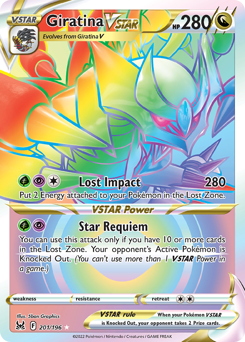
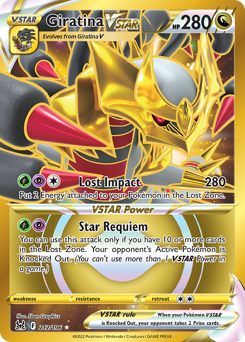
Compositionally, the cards most often favor balanced, focused layouts, then pivot into dynamic staging when the subject calls for motion and impact. Color is consistently vivid, frequently pushed with contrast and occasional pastel softness. Visual highlights include Giratina VSTAR (swsh11-201) and Aerodactyl VSTAR (swsh11-199), both aligning with the set’s preference for bold color and clear subject emphasis. Among the most represented contributors, 5ban Graphics and N-DESIGN Inc. anchor much of the set’s digital finish, while Kouki Saitou adds a steady illustrative presence.
I · Visual identity
The set’s visual language is driven by vibrant, often contrasting palettes and a predominantly digital, cartoon-leaning finish. Moods skew playful and energetic, supported by balanced, focused compositions that keep subjects readable; when the set turns dynamic, it does so with clear action cues rather than clutter, occasionally softened by pastel or harmonious color runs.
II · Illustrators
The most frequent credits include 5ban Graphics and N-DESIGN Inc., whose work reinforces the set’s polished digital consistency. Kouki Saitou also appears prominently, adding an illustrative counterpoint within the same bright, character-forward visual framework.
§ 03 — Featured
Cards worth lingering on.
Editorial picks — by visual identity, mood, and the work that defines this set's character.
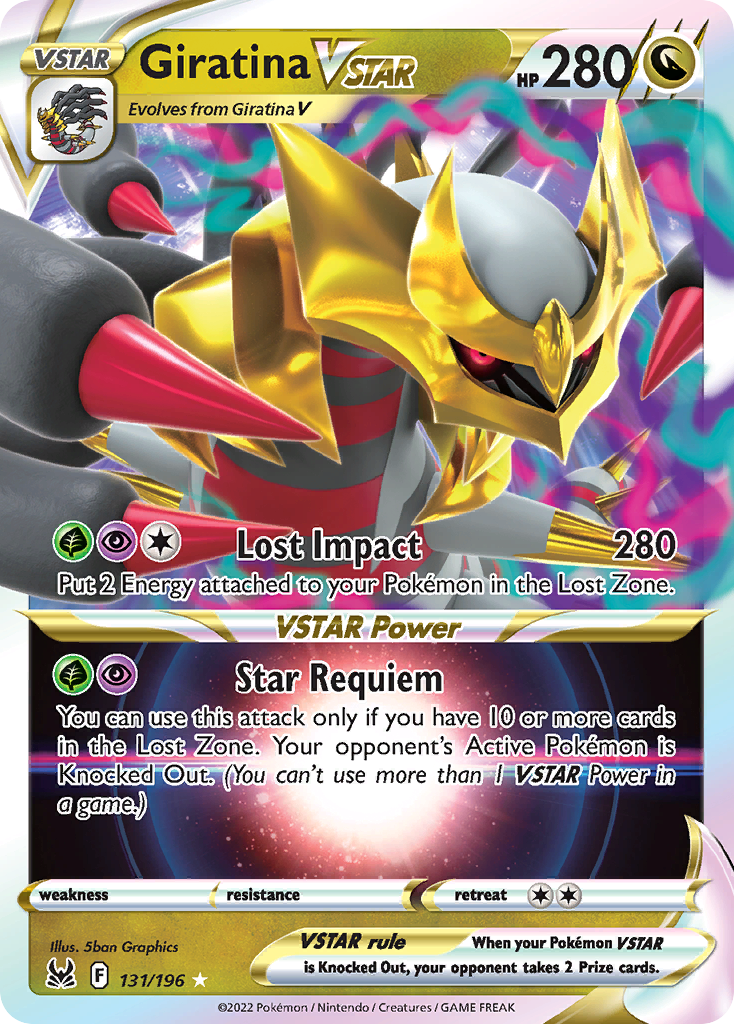
Giratina VSTAR
№ 131
by 5ban Graphics
Rare Holo VSTAR
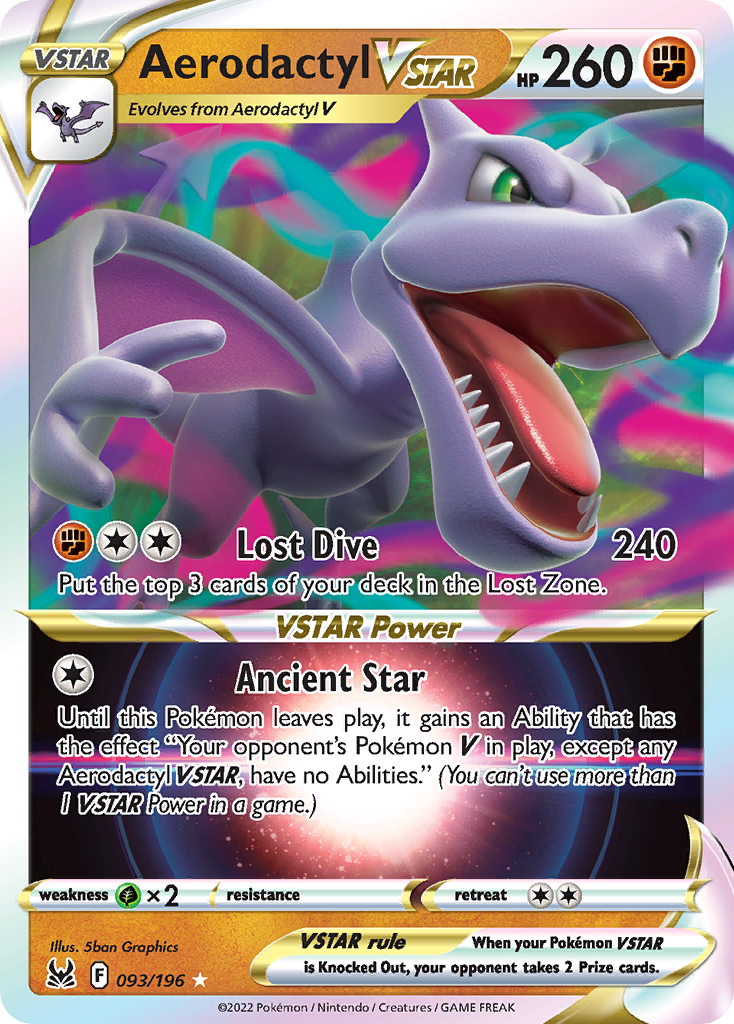
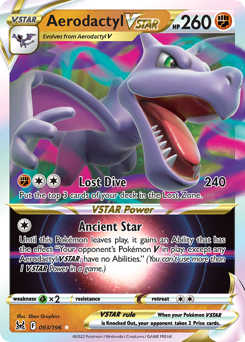
Aerodactyl VSTAR
№ 093
by 5ban Graphics
Rare Holo VSTAR
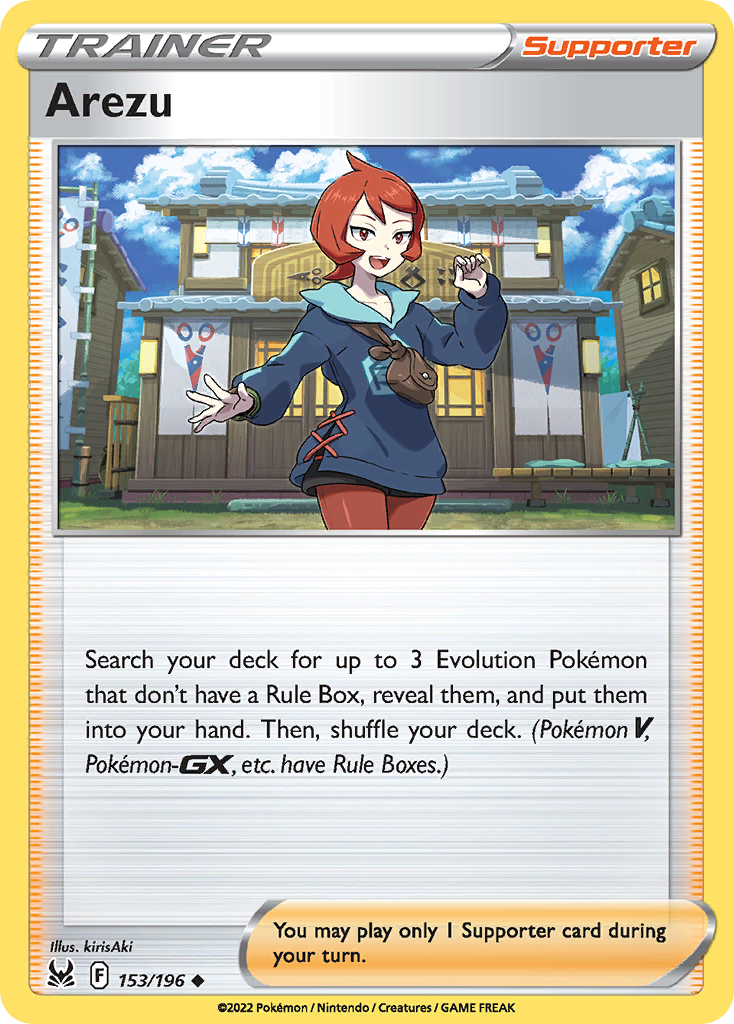
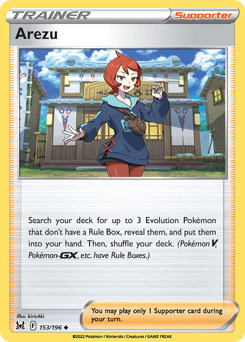
Arezu
№ 153
by kirisAki
Uncommon
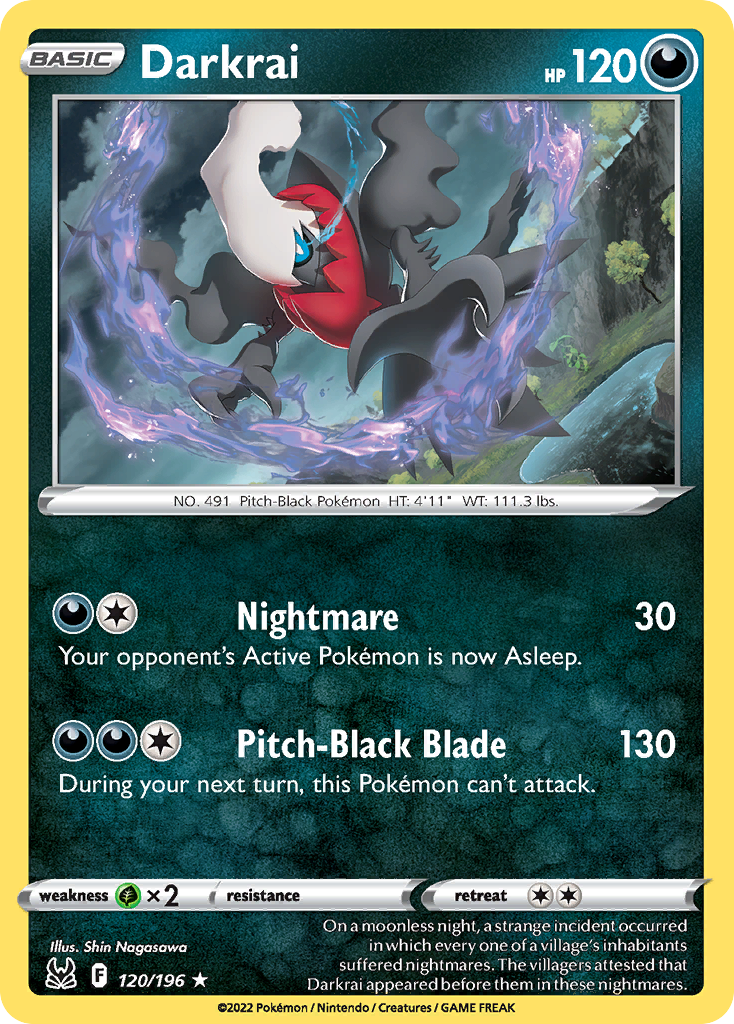
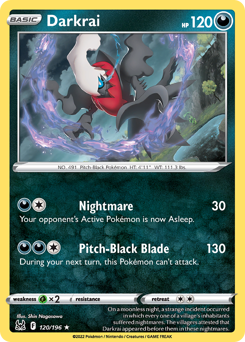
Darkrai
№ 120
by Shin Nagasawa
Rare Holo
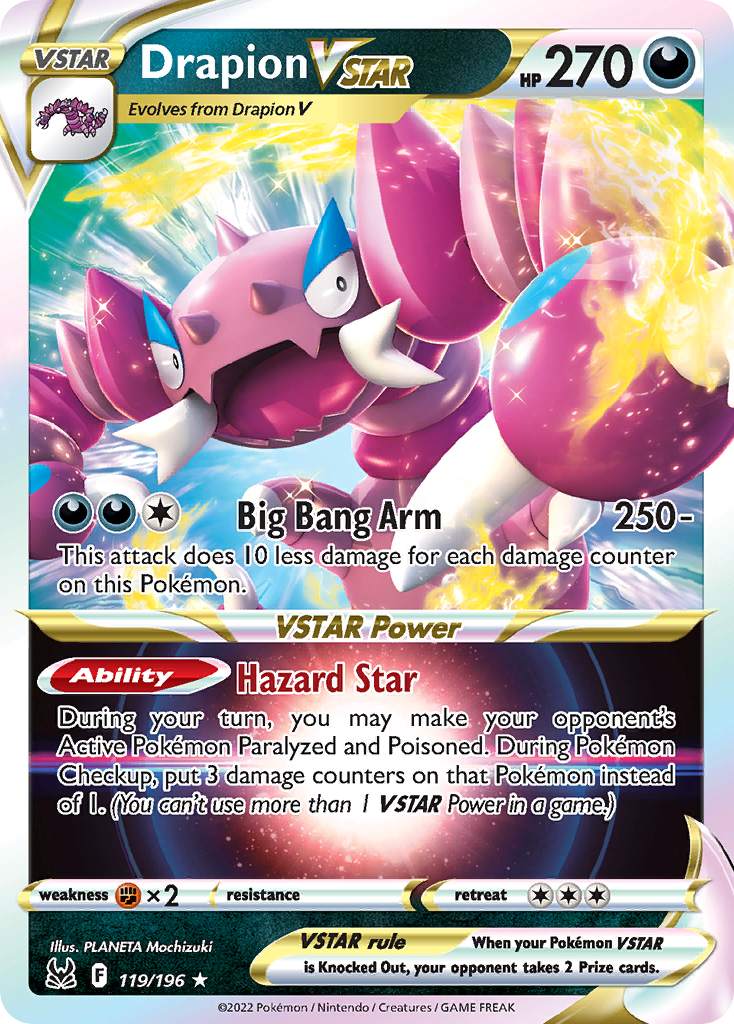
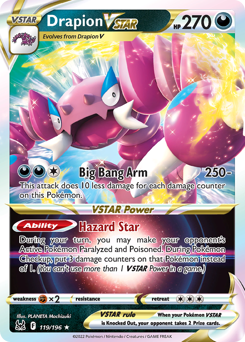
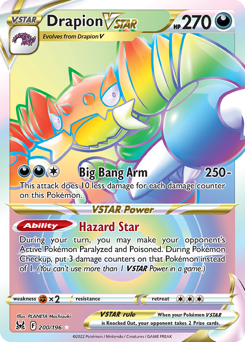
Drapion VSTAR
№ 119
by PLANETA Mochizuki
Rare Holo VSTAR
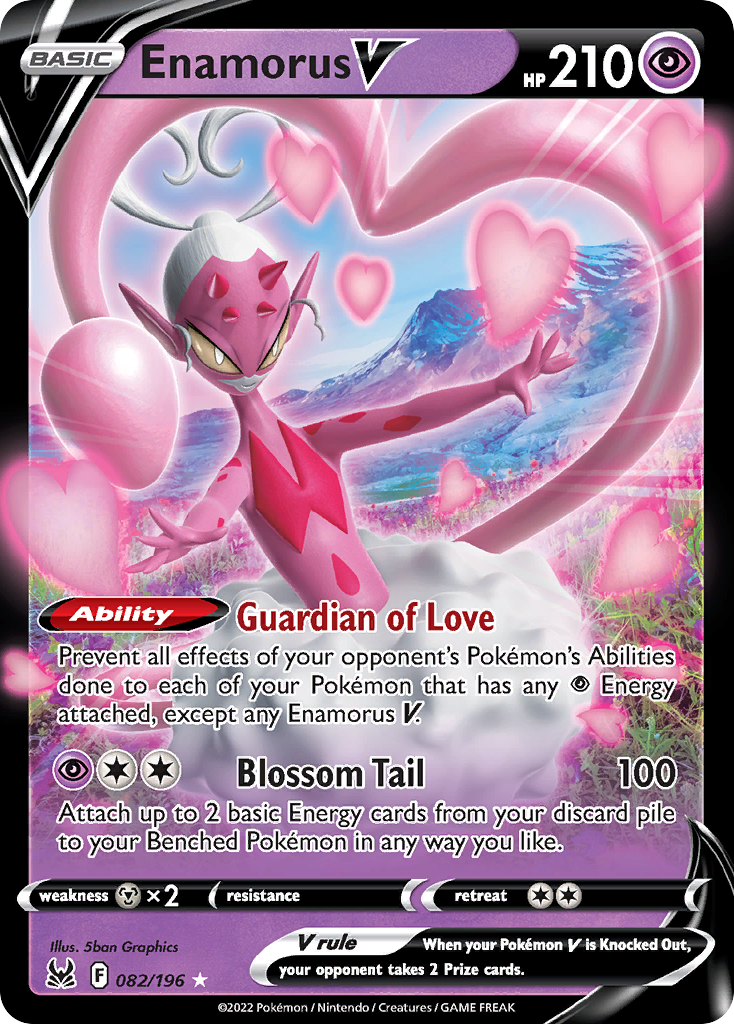
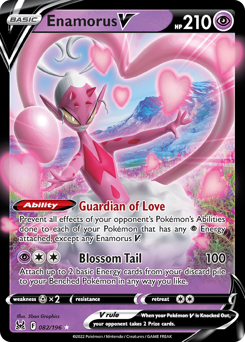
Enamorus V
№ 082
by 5ban Graphics
Rare Holo V
§ 04 — Entry points
Two ways in.
By the hands behind it, or by the Pokémon featured. Both threads continue across the wider Artchu catalogue.