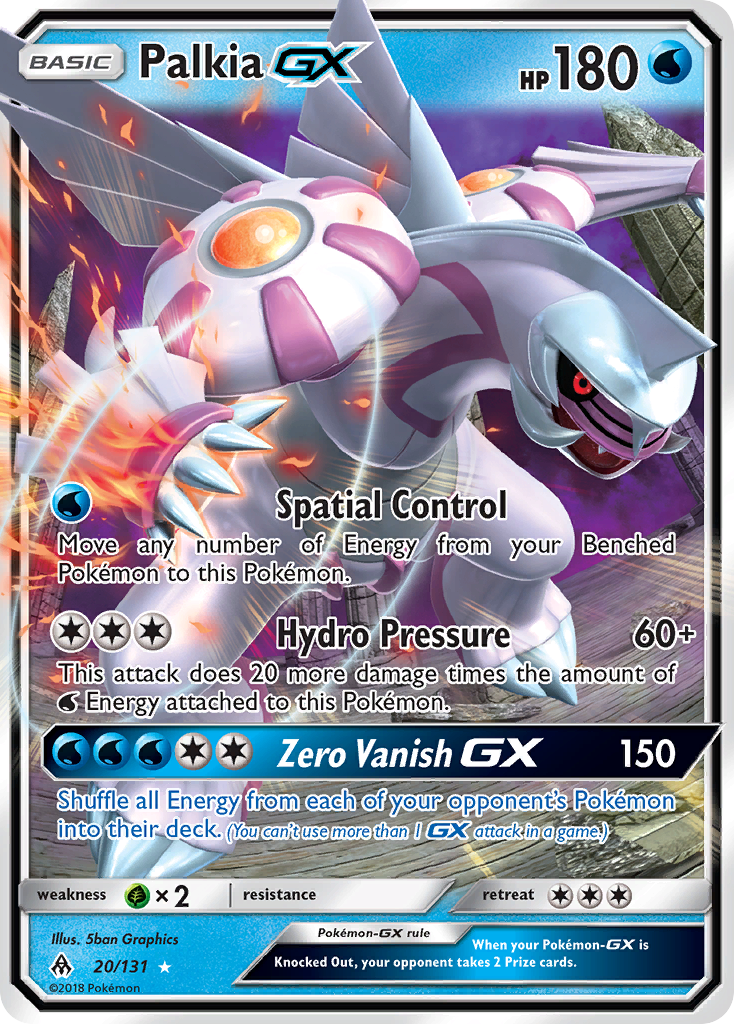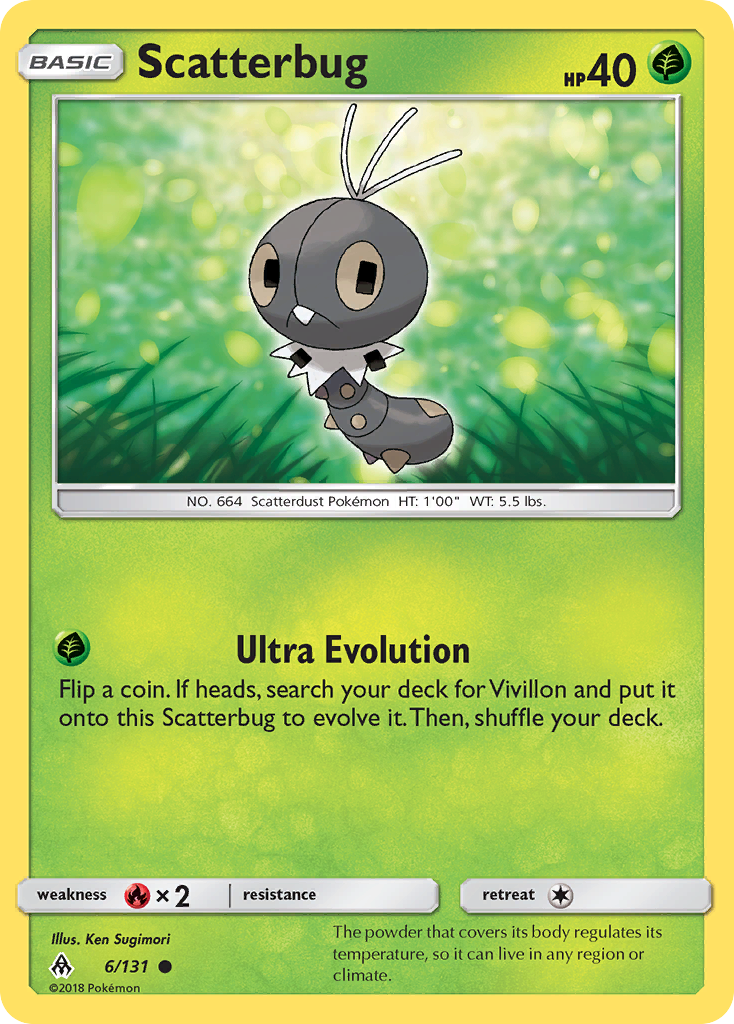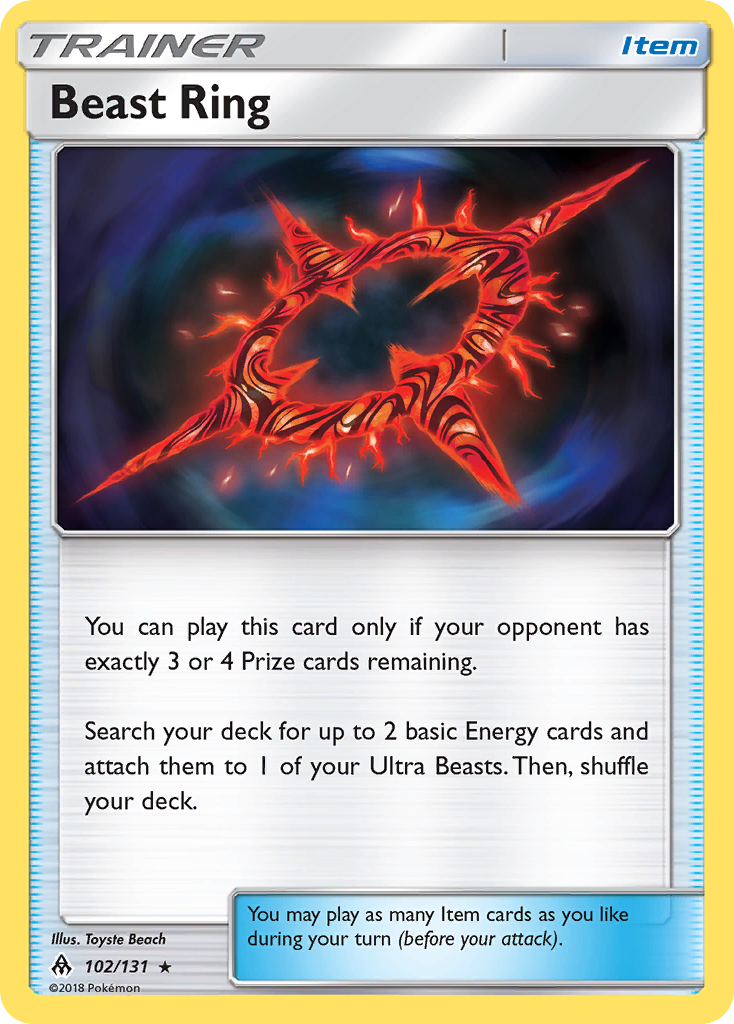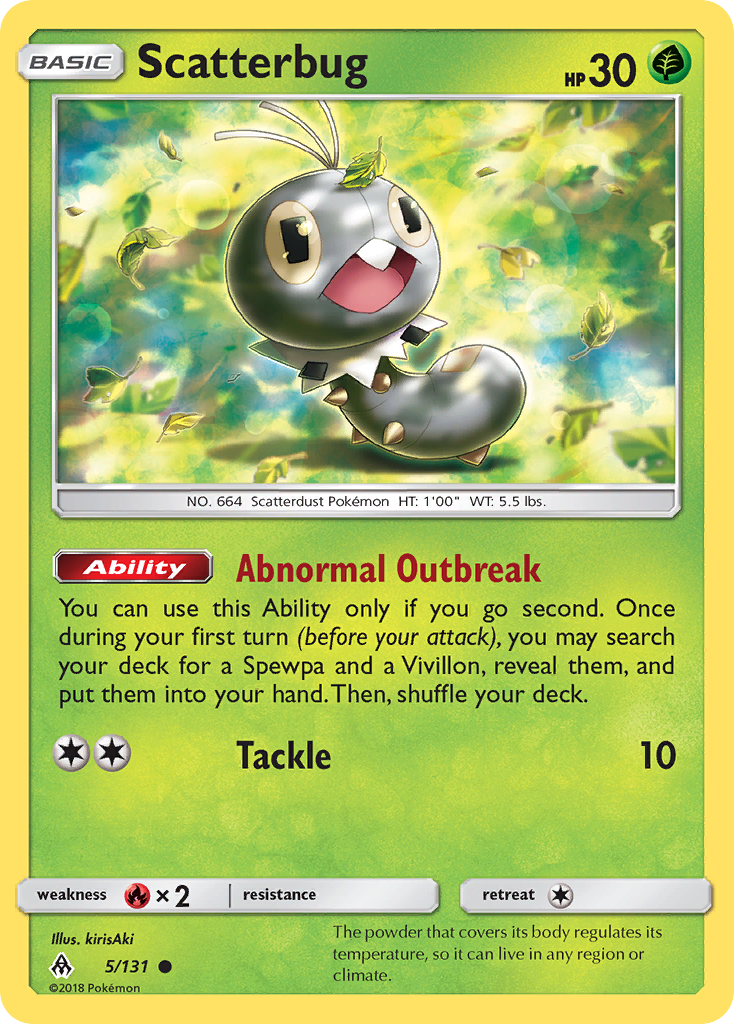
- Released
- May 2018
- Cards
- 131 printed
- Illustrators
- 47
- Top card
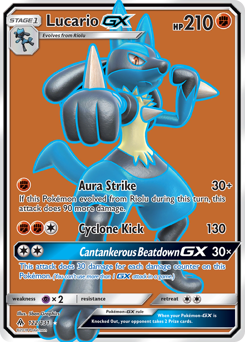
- Lucario-GX $116
- Series
- Sun & Moon
- Era
- Sun & Moon era
95 unique Pokémon 120 Pokémon · 27 Trainer · 3 Energy Average market $7.44
§ 01 — The full checklist
Browse the 131 cards.
Filter by type, rarity, illustrator.
Showing 150 of 150 cards
Rarity
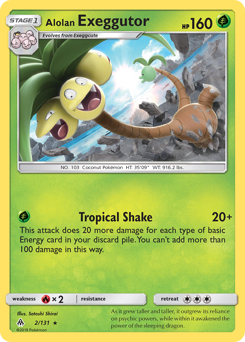
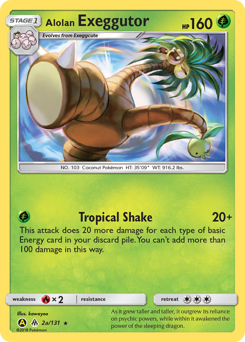
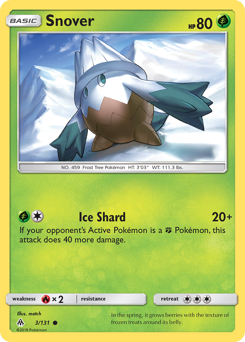
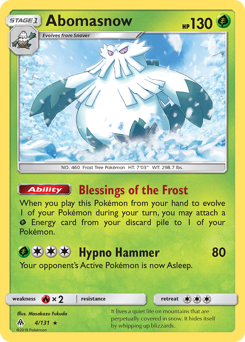
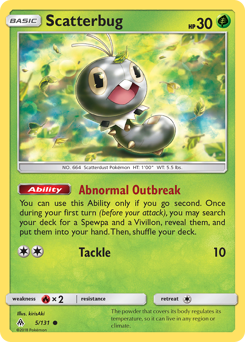
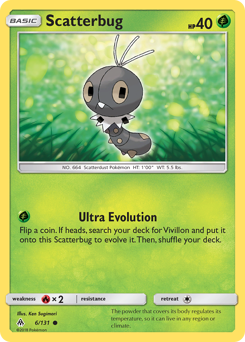
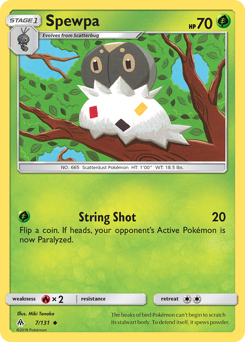
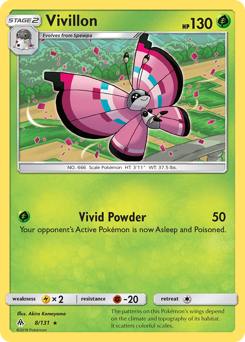
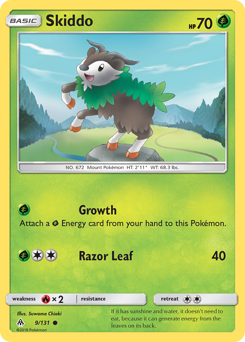
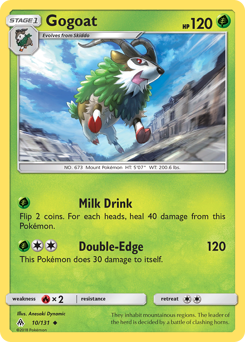
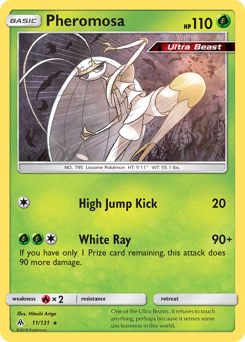
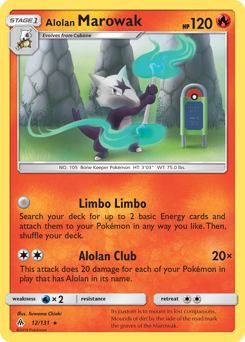
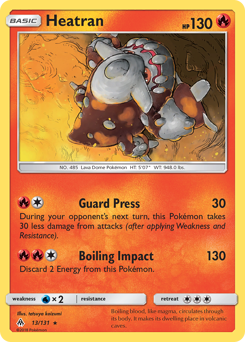
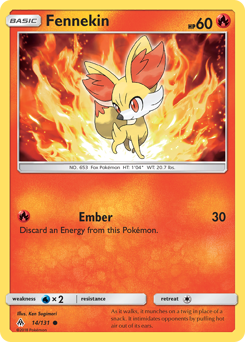
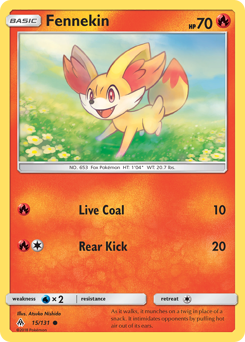
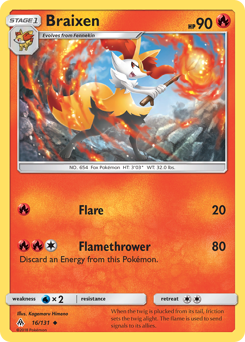
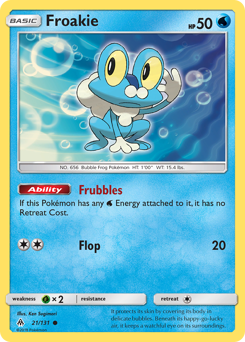
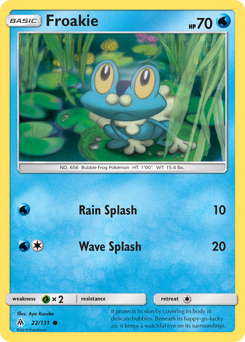
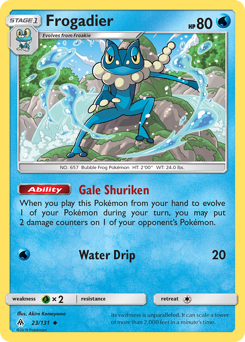
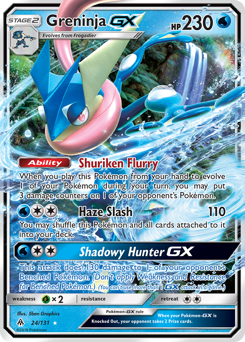
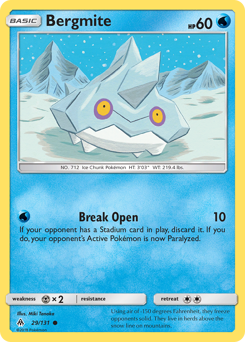
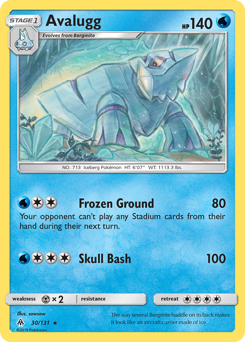
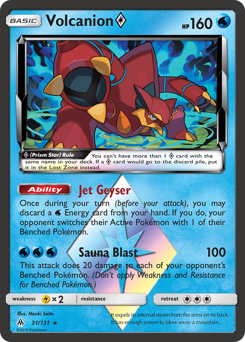
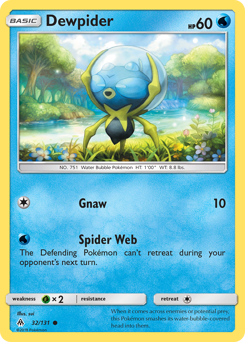
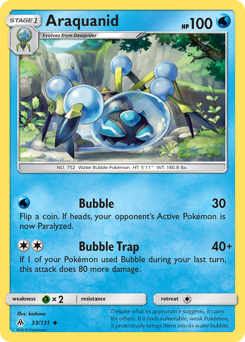
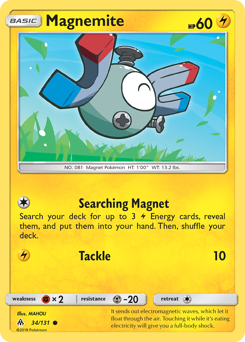
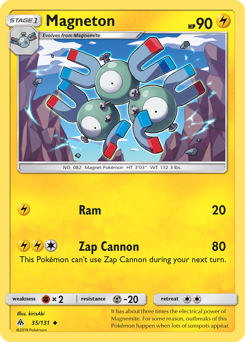
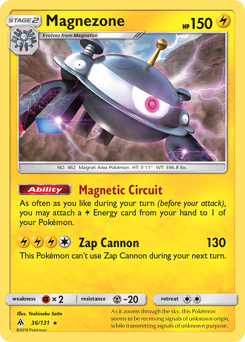
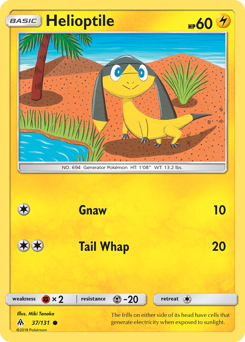
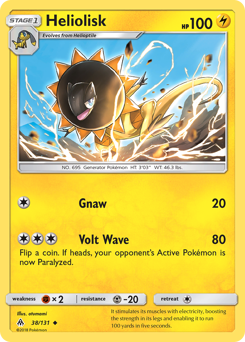
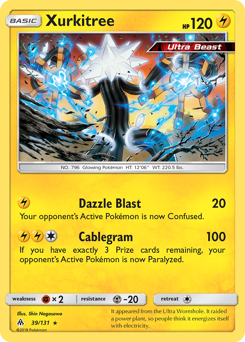
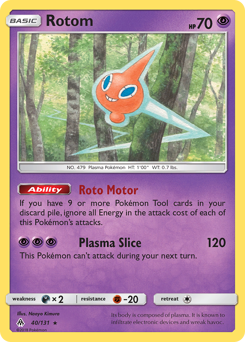
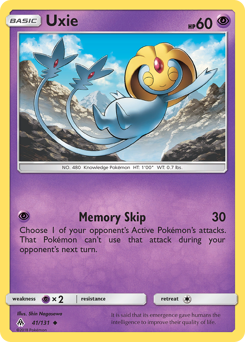
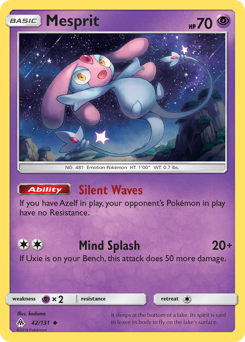
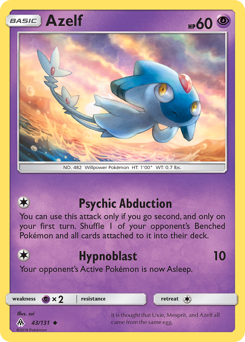
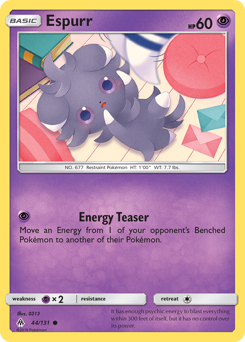
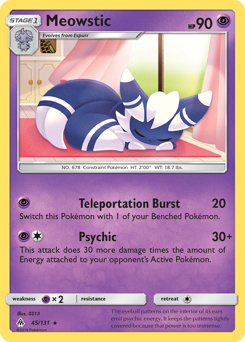
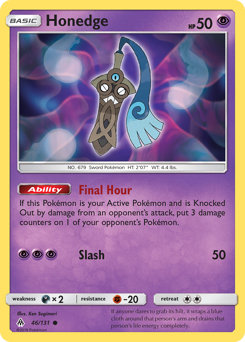
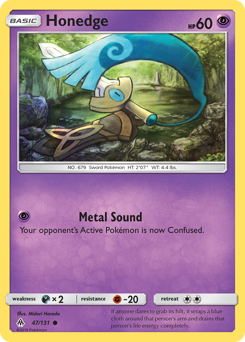
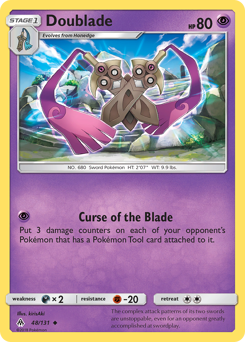
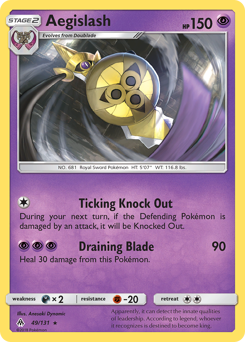
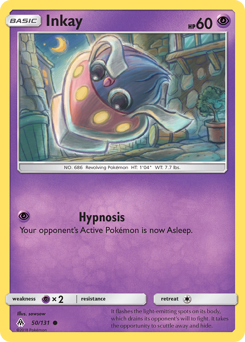
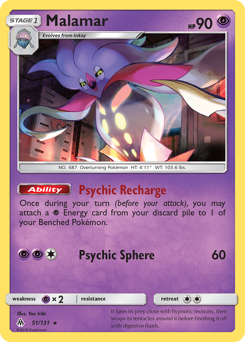
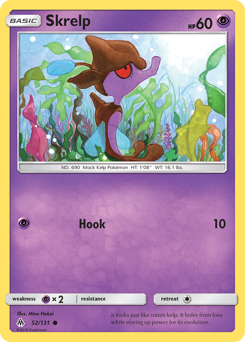
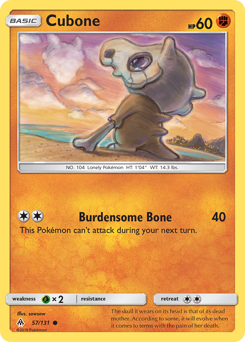
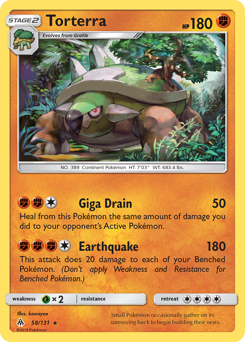
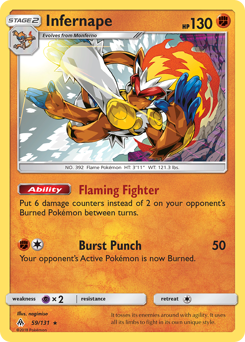
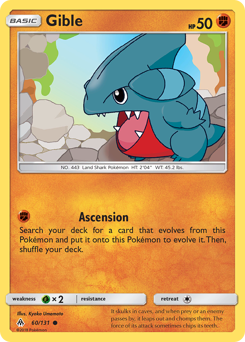
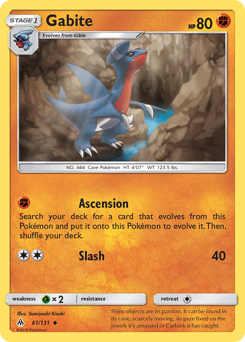
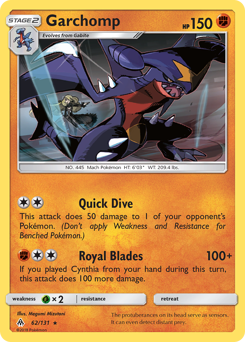
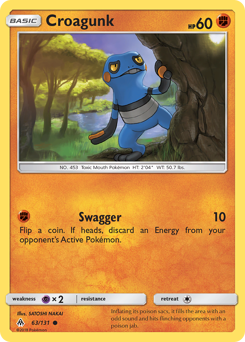
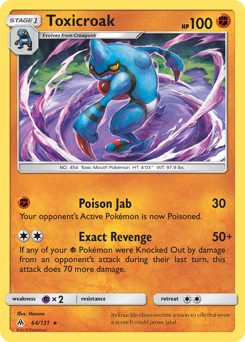
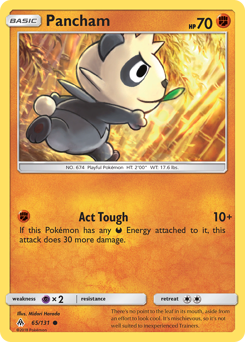
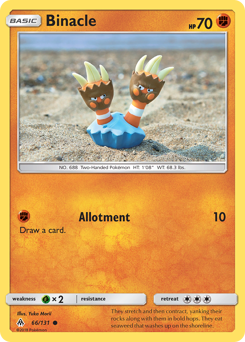
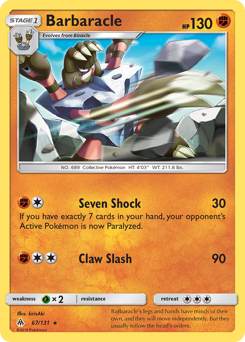
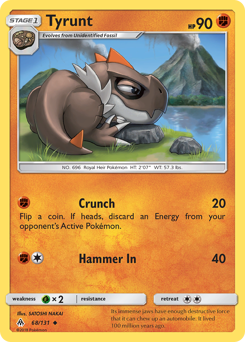
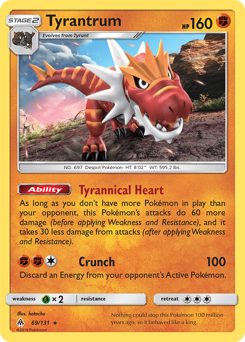
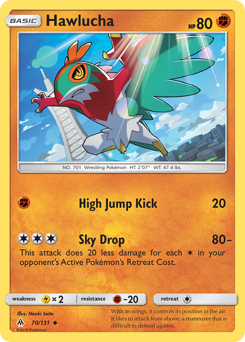
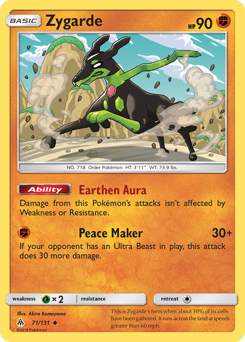
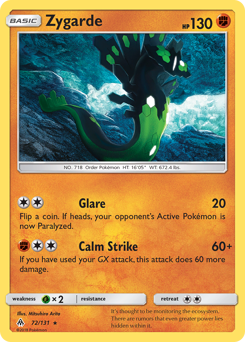
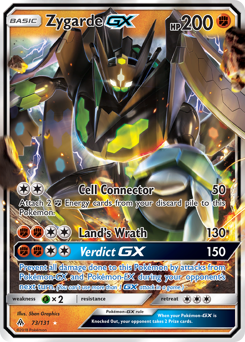
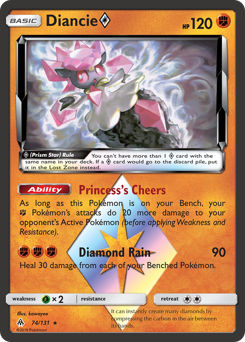
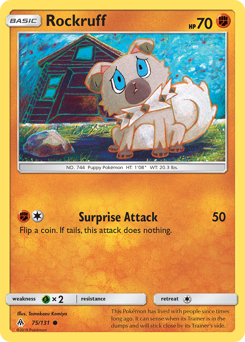
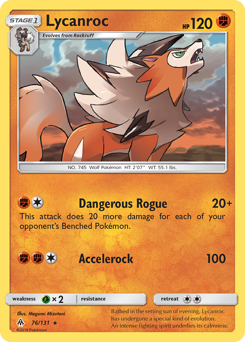
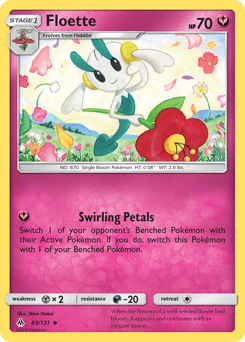
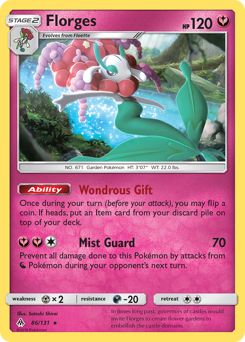
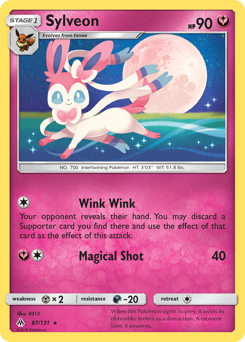
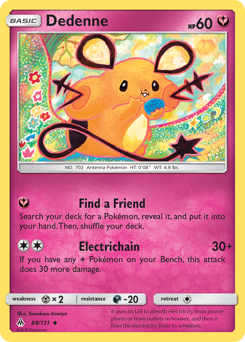
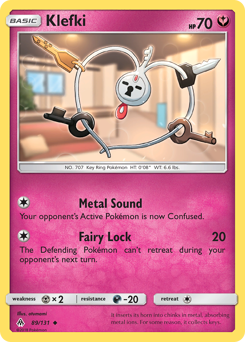
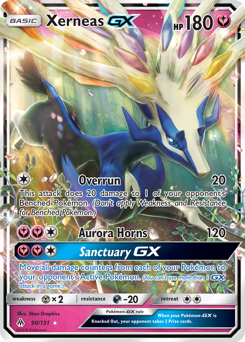
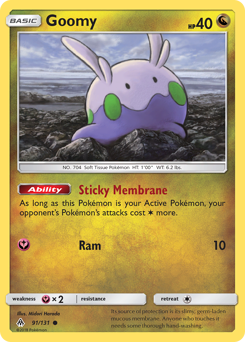
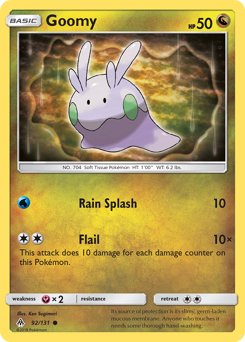
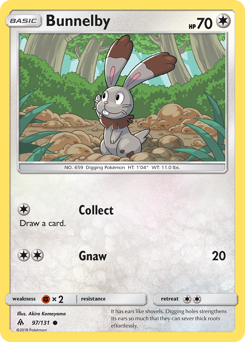
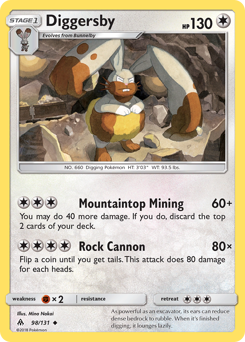
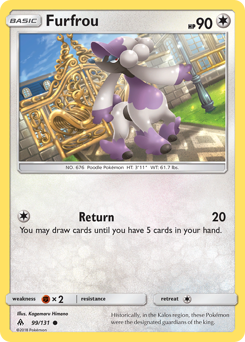
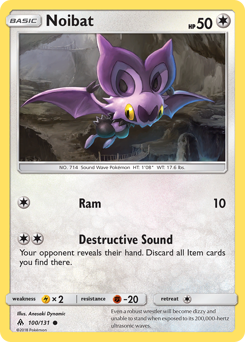
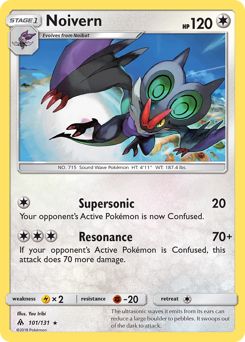
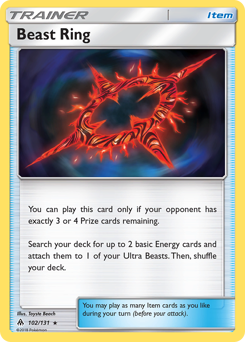
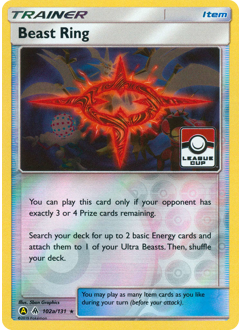
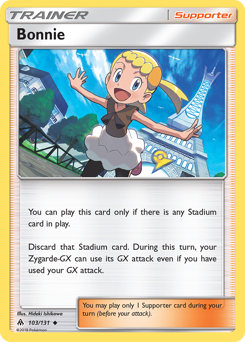
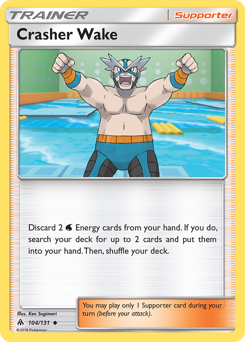
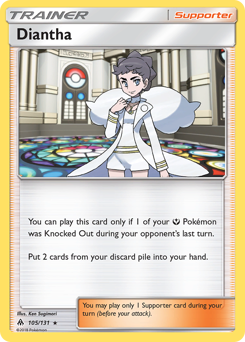
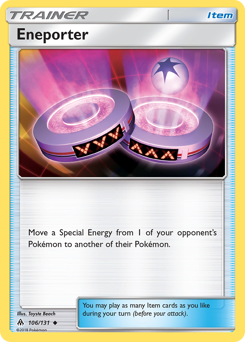
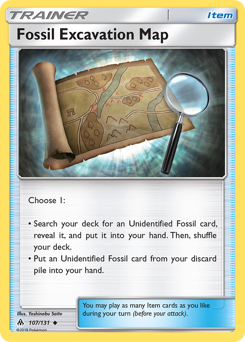
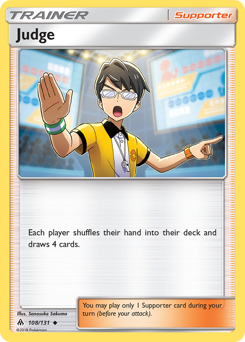
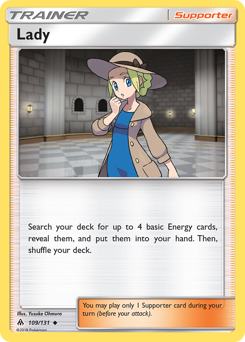
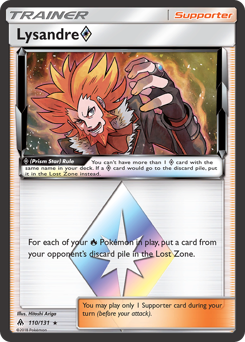
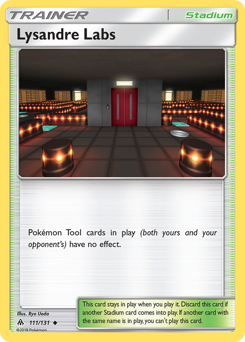
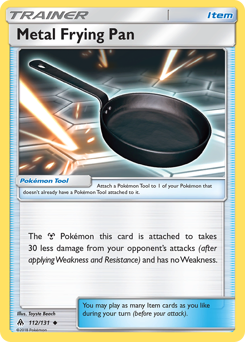
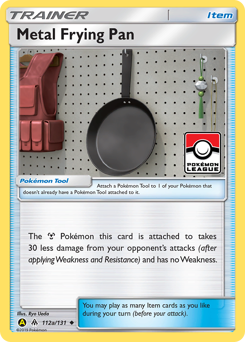
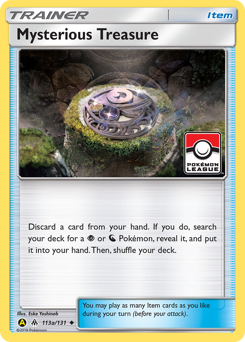
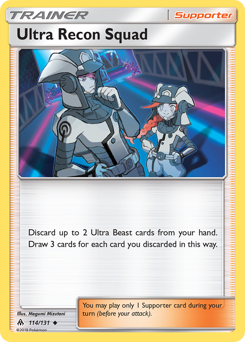
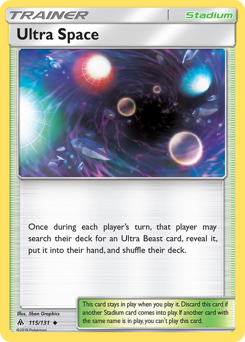
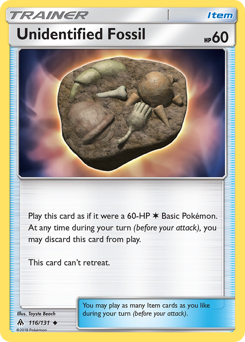
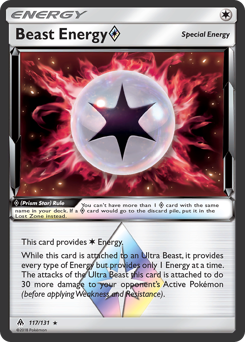
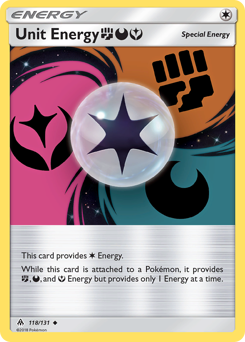
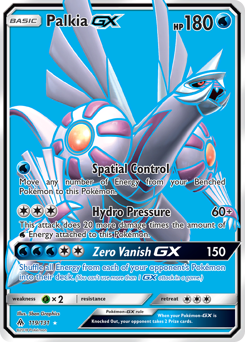
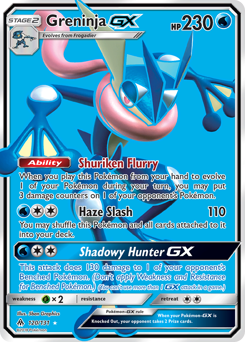
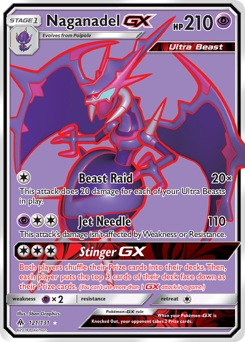
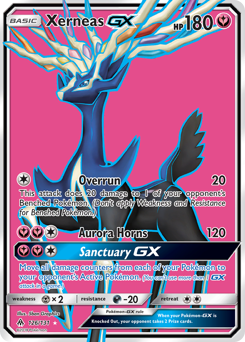
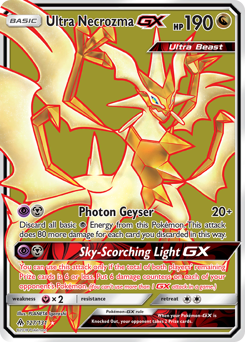
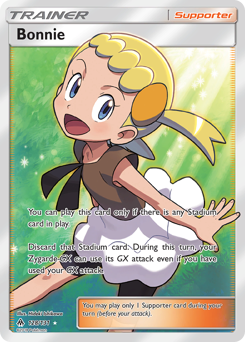
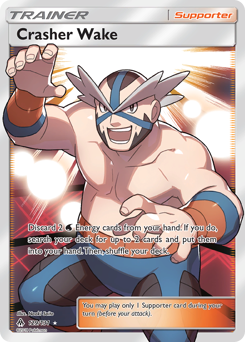
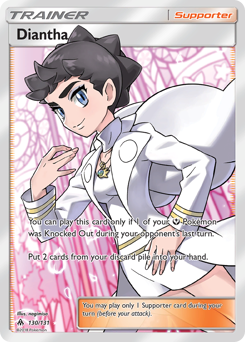
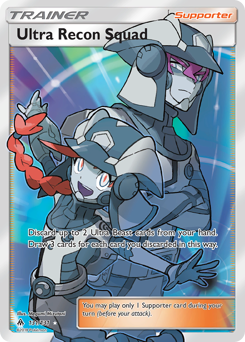
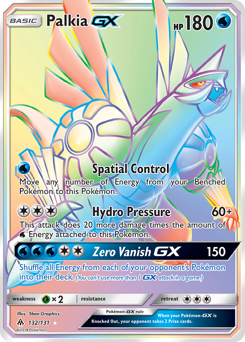
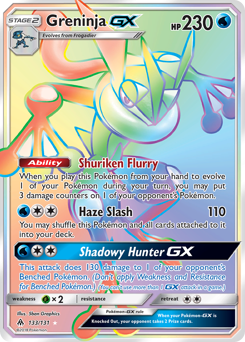
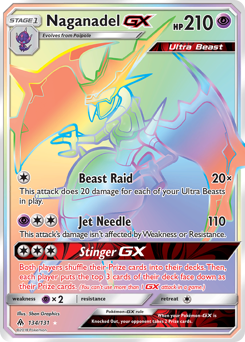
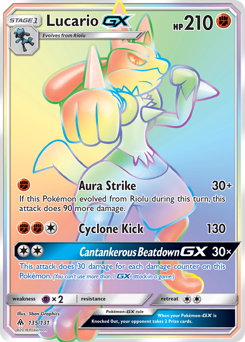
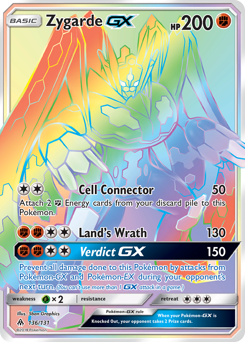
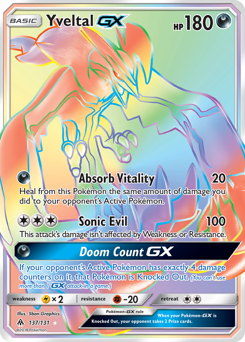
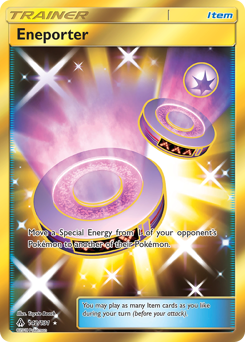
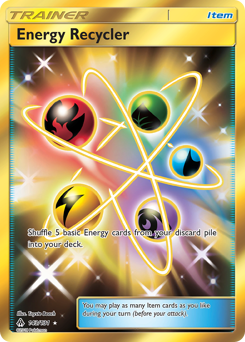
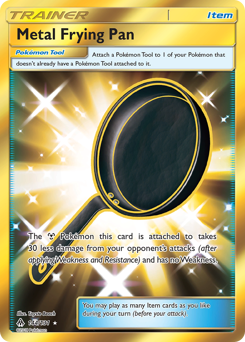
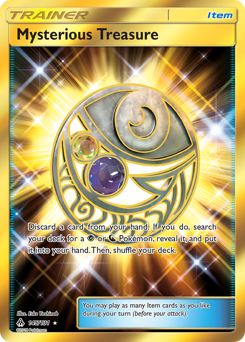
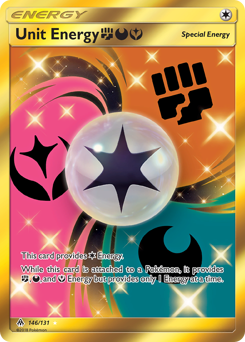
No cards match these filters.
§ 02 — About Forbidden Light
A look inside the set.
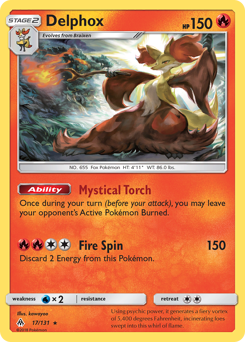
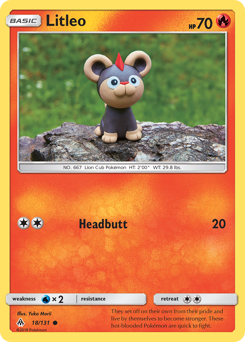
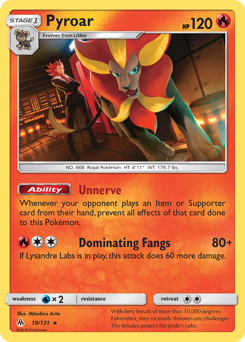
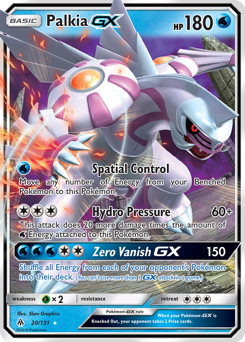
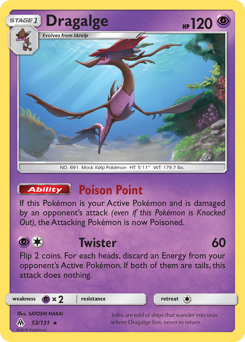
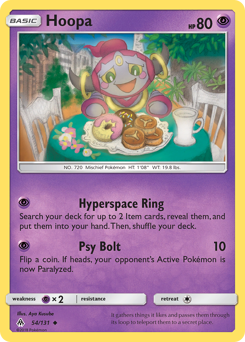
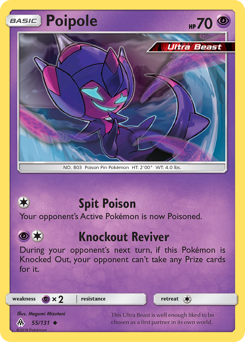
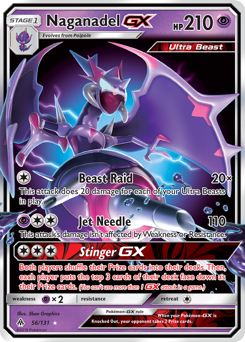
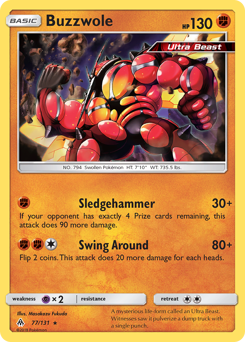
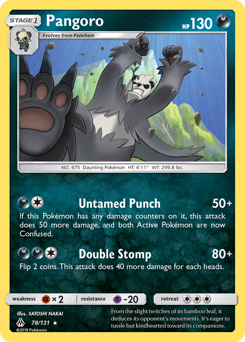
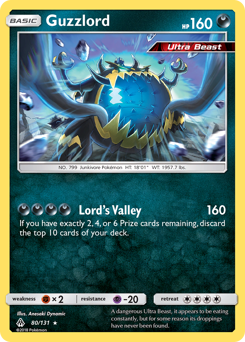
Forbidden Light presents a broad 150-card collection with 120 Pokémon cards, 27 Trainers, and 3 Energy, illustrated by 47 credited artists. Its rarity profile is anchored by Commons, Uncommons, and Rares, then expands into Ultra, Holo, Rainbow, Secret, and Prism Star finishes. Across the set, digital rendering leads the visual language, supported by dynamic and cartoonish approaches that keep scenes readable and character-forward.
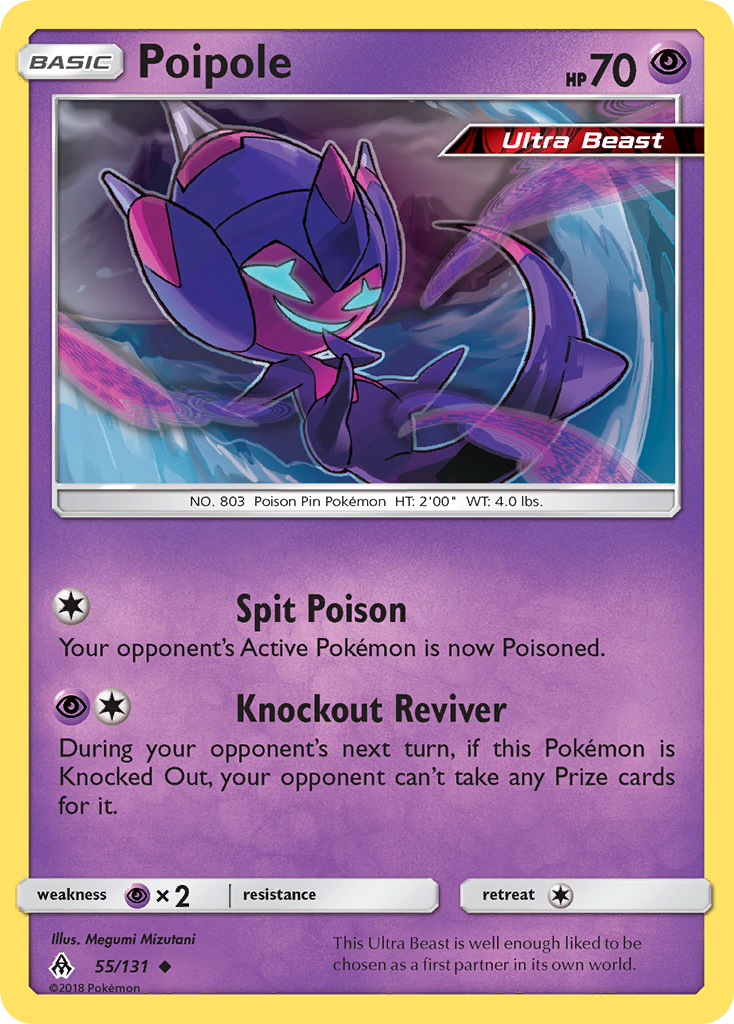
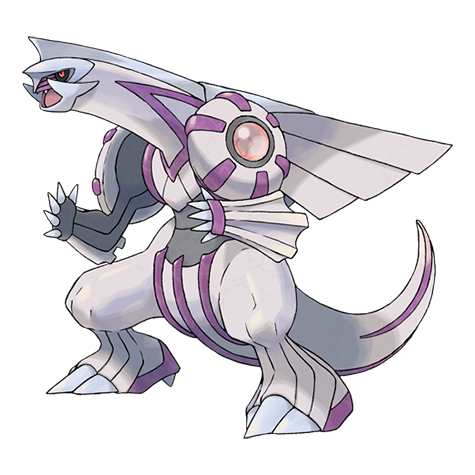
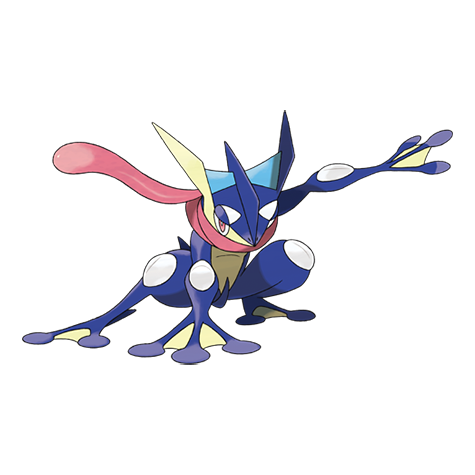
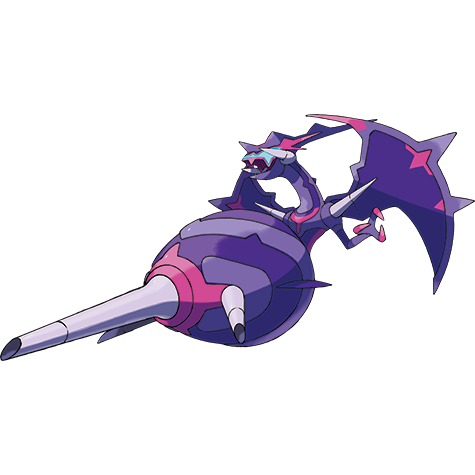
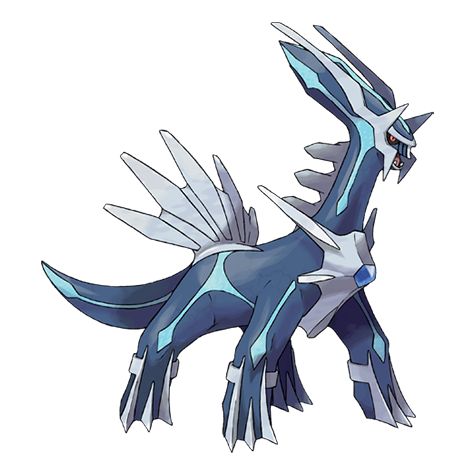
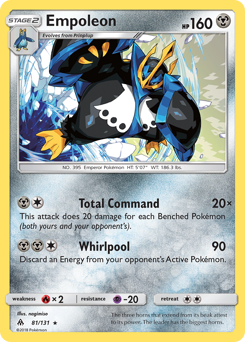
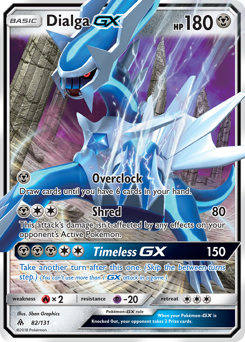
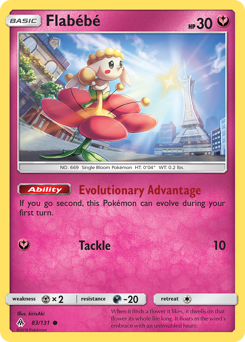
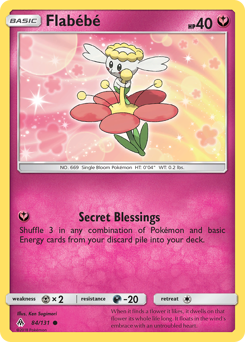
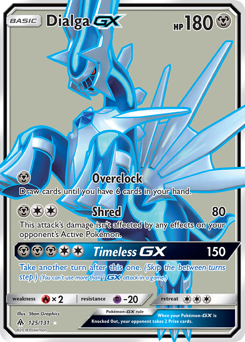
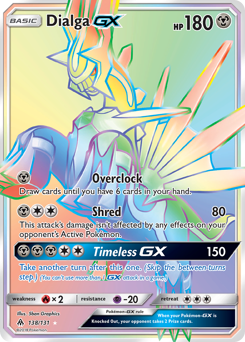
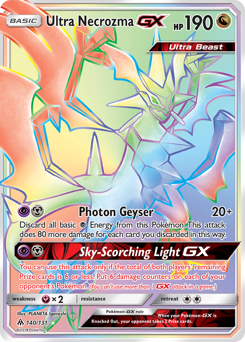
The dominant mood is playful and energetic, with frequent bursts of contrast over a consistently vibrant palette. Compositions tend to be balanced and focused, often keeping the subject cleanly separated from the background even in action-leaning frames. Among the set’s visual highlights, Dialga-GX (sm6-138) stands out for its polished presentation, with Greninja-GX (sm6-133) and Ultra Necrozma-GX (sm6-140) also offering high-impact, tightly composed showcases. Much of the set’s look is shaped by 5ban Graphics, with additional presence from Ken Sugimori, Toyste Beach, and Megumi Mizutani.
I · Visual identity
Vibrant color is the set’s constant: bright, contrasting palettes appear across most cards, often paired with clean, focused framing. The prevailing feel is playful and energetic, with dynamic poses and action cues kept legible through balanced layouts and simple, uncluttered staging; softer pastel moments appear as a secondary accent rather than the default.
II · Illustrators
5ban Graphics contributes the largest share of illustrations, reinforcing the set’s digital polish and consistent character presentation. Ken Sugimori and Toyste Beach add recognizable shifts in line and texture, while Megumi Mizutani’s work helps round out the set’s lighter, more whimsical side.
§ 03 — Featured
Cards worth lingering on.
Editorial picks — by visual identity, mood, and the work that defines this set's character.
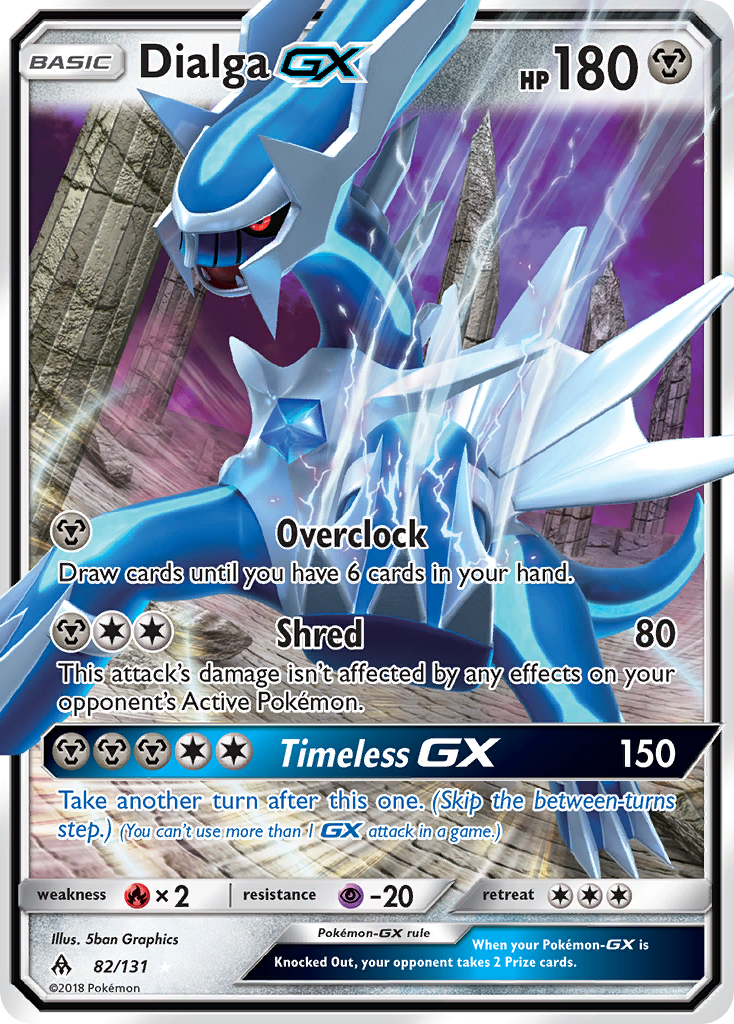
Dialga-GX
№ 082
by 5ban Graphics
Rare Holo GX
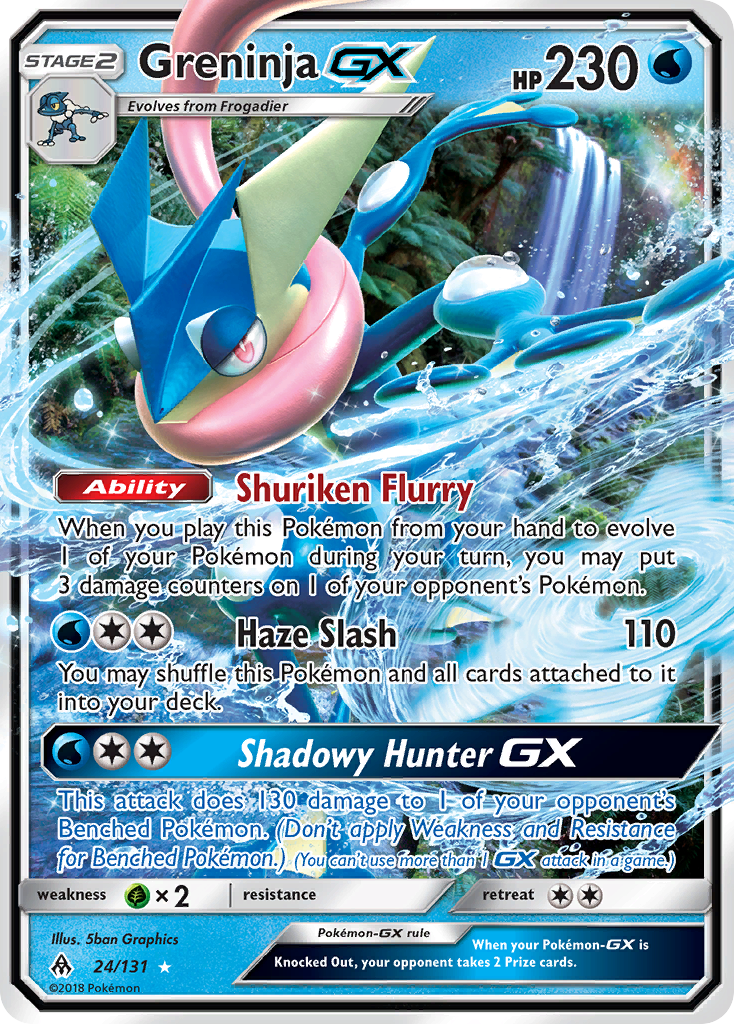
Greninja-GX
№ 024
by 5ban Graphics
Rare Holo GX
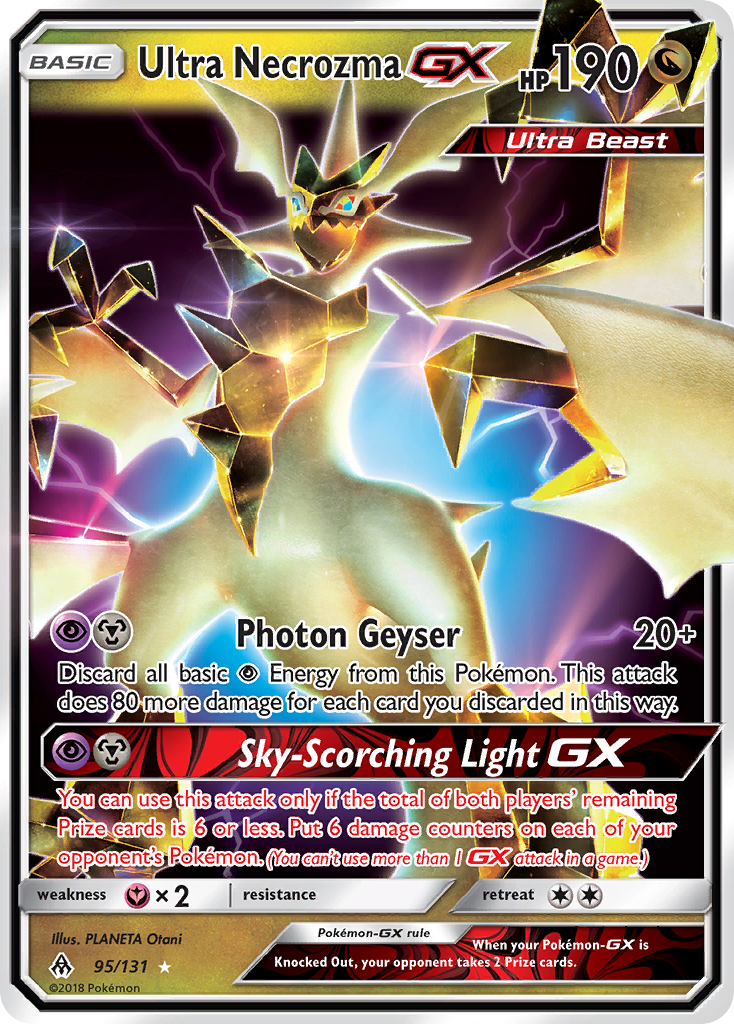
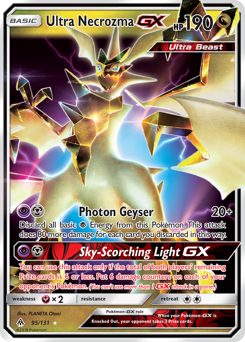
Ultra Necrozma-GX
№ 095
by PLANETA Otani
Rare Holo GX
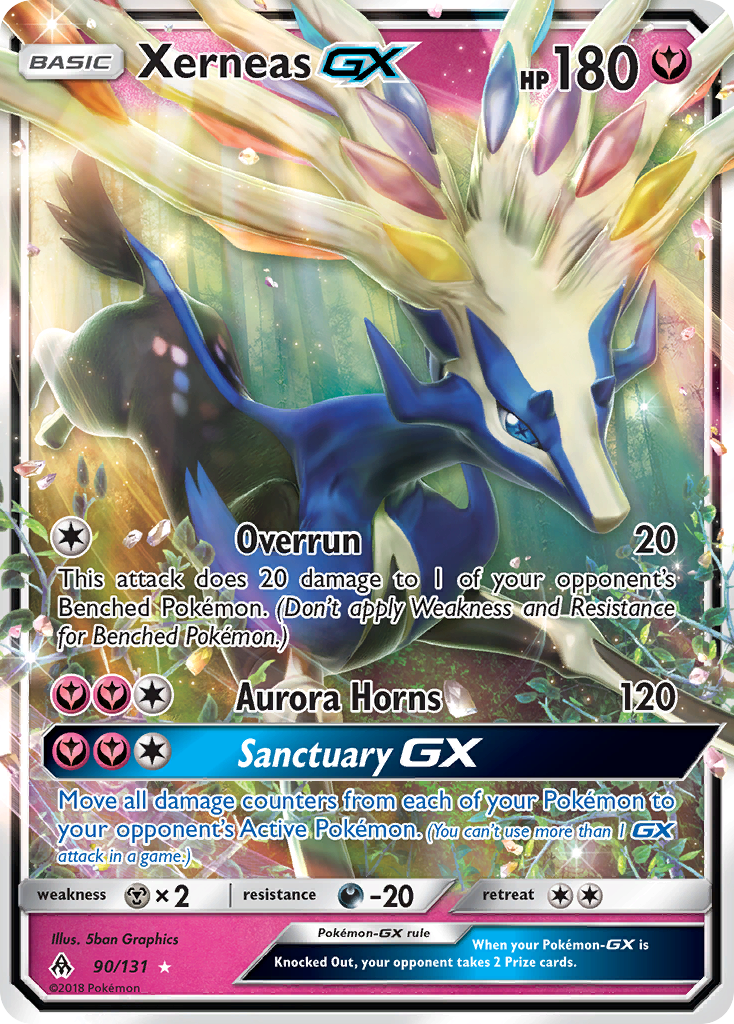
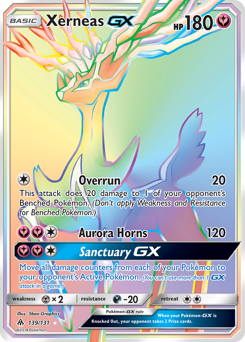
Xerneas-GX
№ 090
by 5ban Graphics
Rare Holo GX
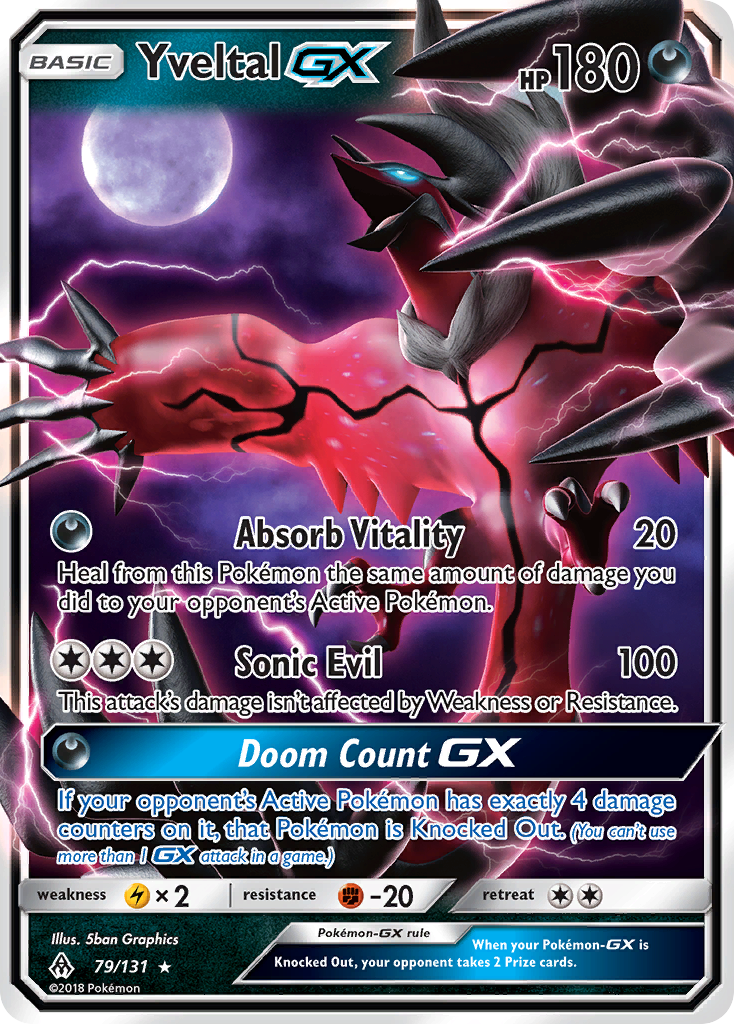
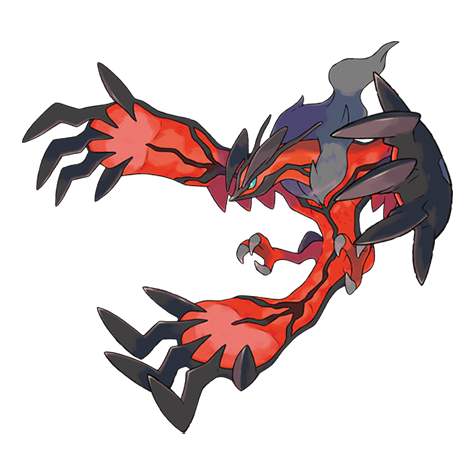
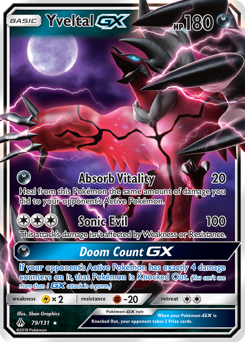
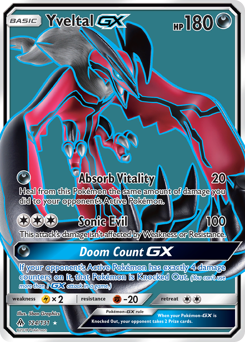
Yveltal-GX
№ 079
by 5ban Graphics
Rare Holo GX
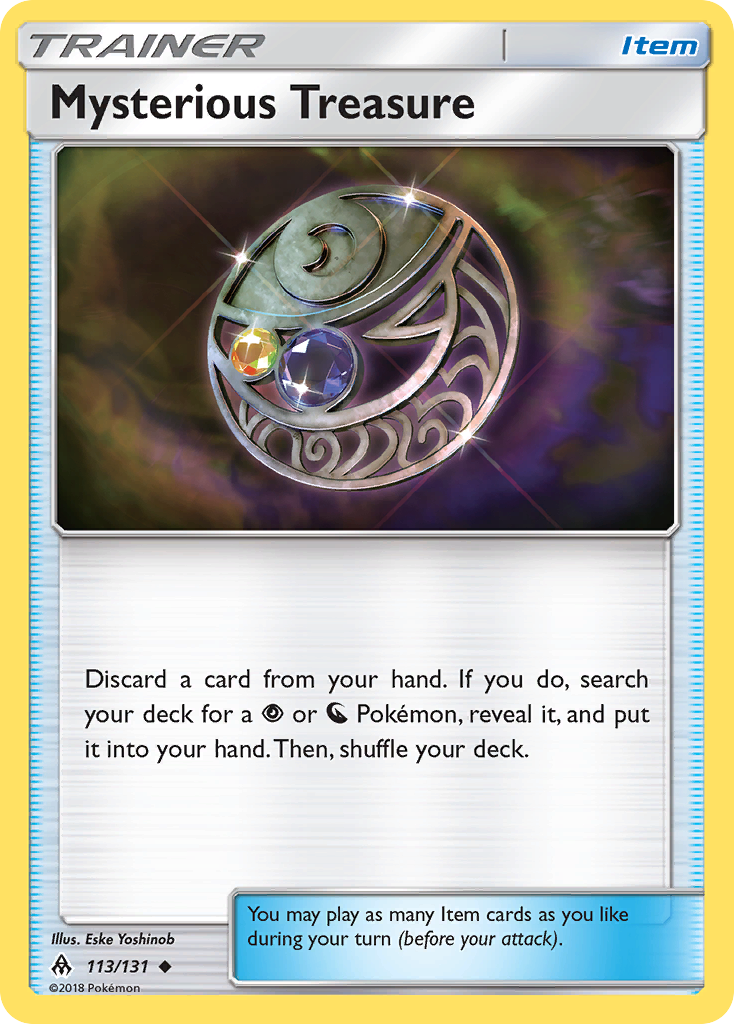
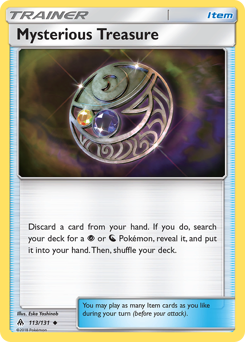
Mysterious Treasure
№ 113
by Eske Yoshinob
Uncommon
§ 04 — Entry points
Two ways in.
By the hands behind it, or by the Pokémon featured. Both threads continue across the wider Artchu catalogue.