
- Released
- Feb 2005
- Cards
- 107 printed
- Illustrators
- 34
- Top card
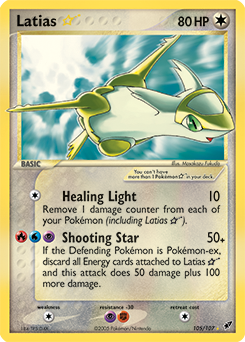
- Latias ★ $2,300
- Series
- EX
- Era
- EX era
86 unique Pokémon 96 Pokémon · 9 Trainer · 3 Energy Average market $75.54
§ 01 — The full checklist
Browse the 107 cards.
Filter by type, rarity, illustrator.
Showing 108 of 108 cards
Rarity
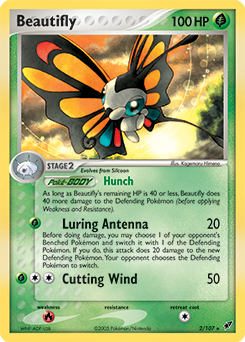
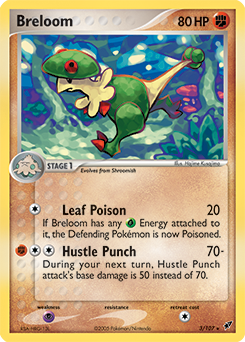

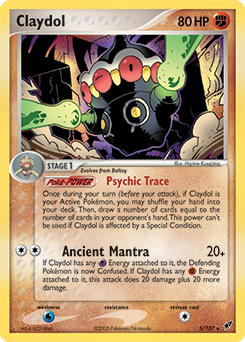
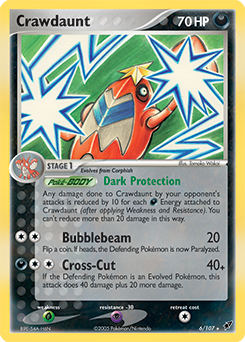
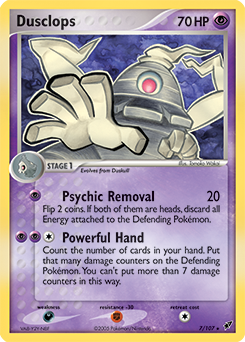
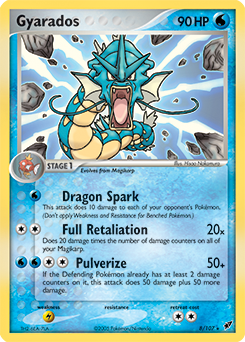
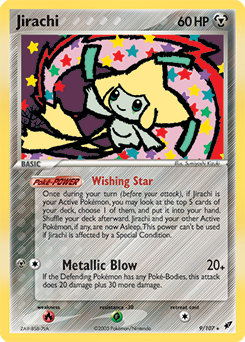

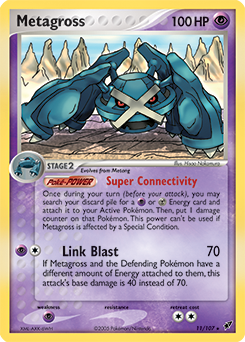
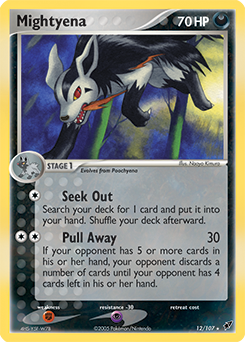

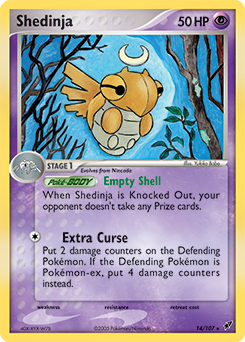
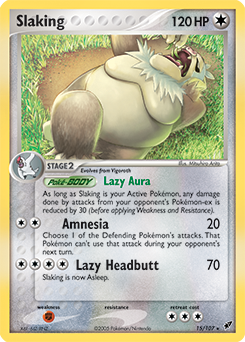
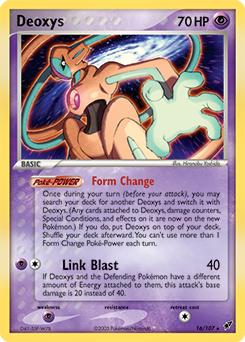
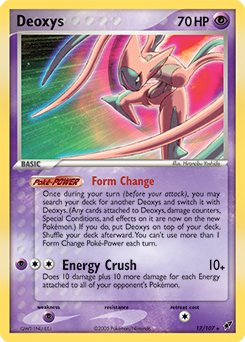
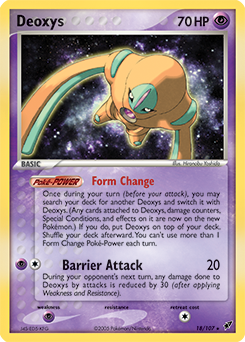

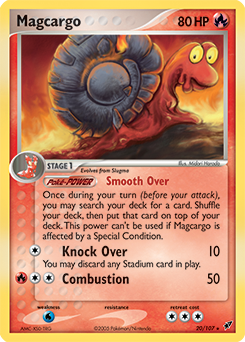

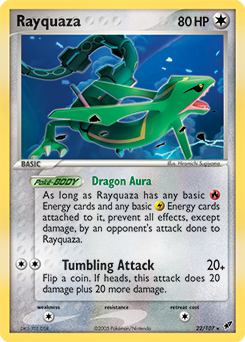
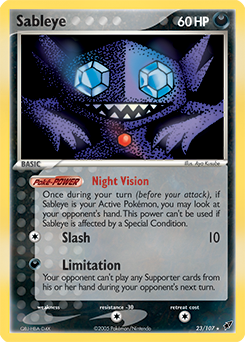

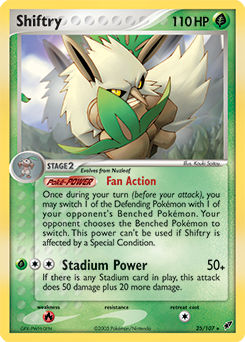
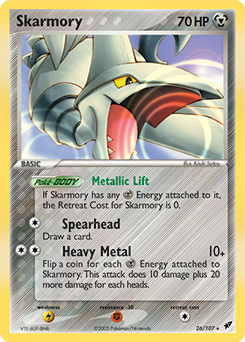
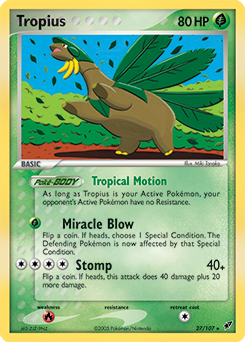
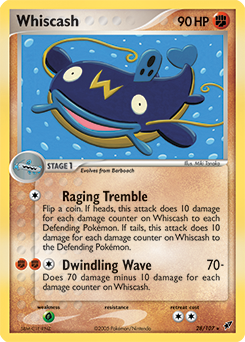
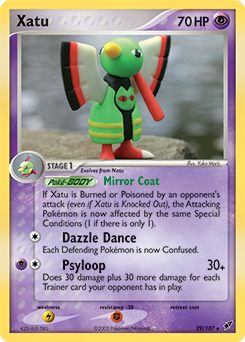
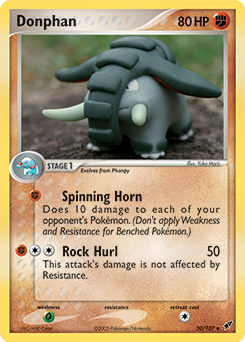
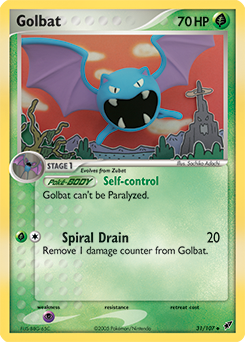
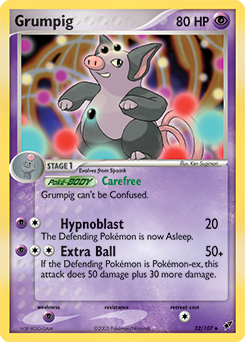

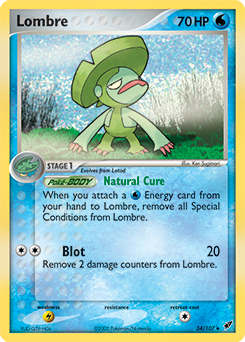
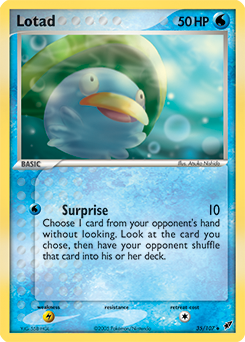
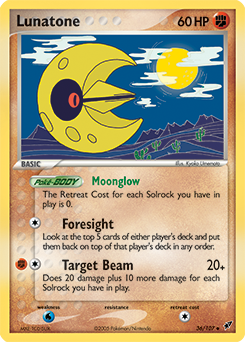
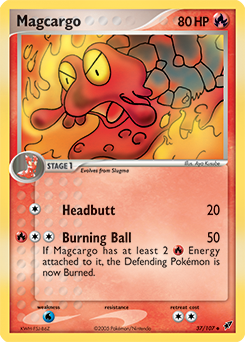
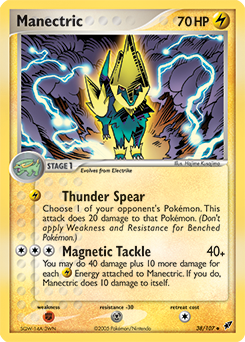
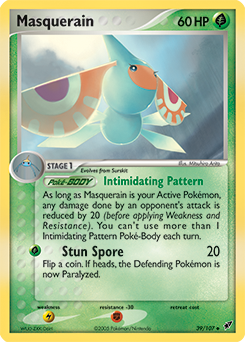
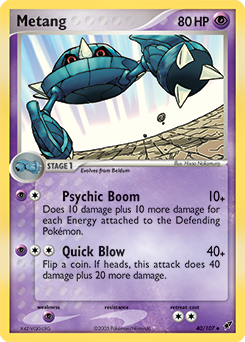
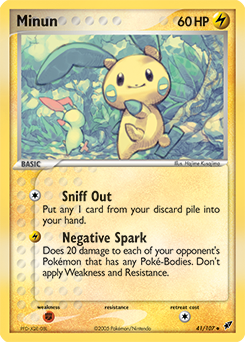
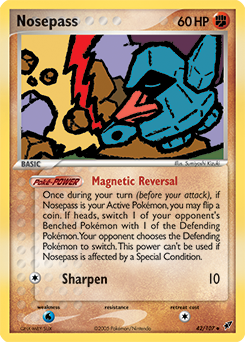
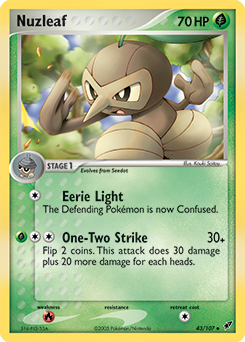

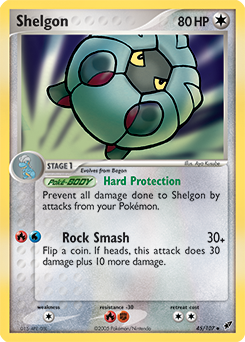
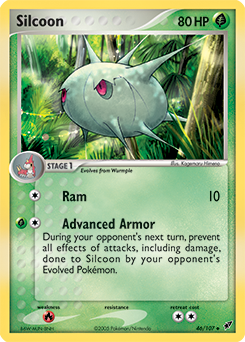
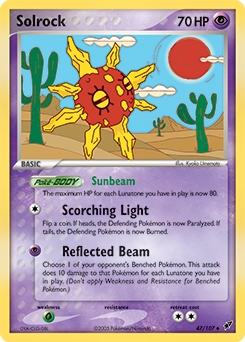
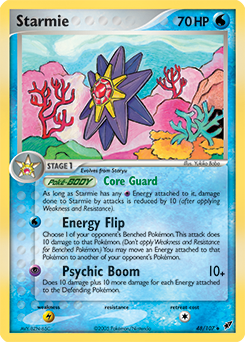
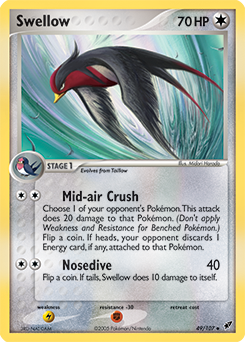
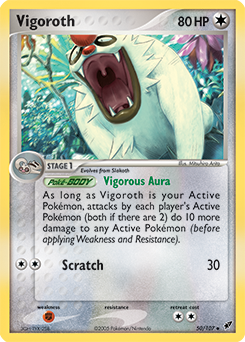
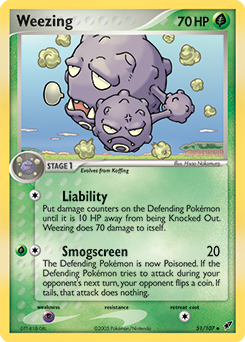

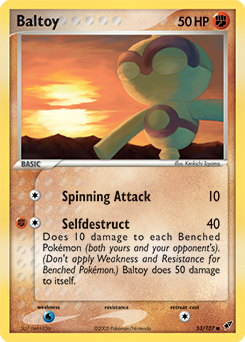
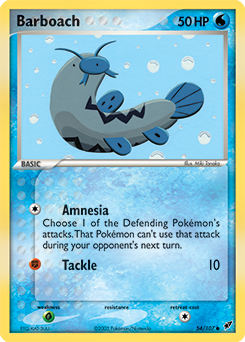
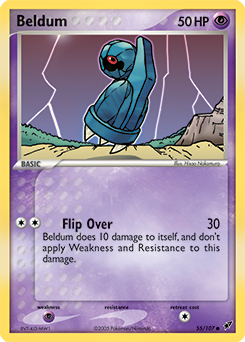
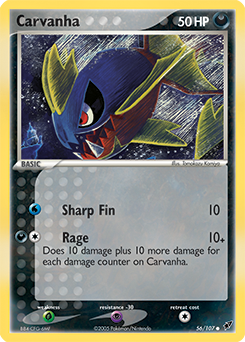
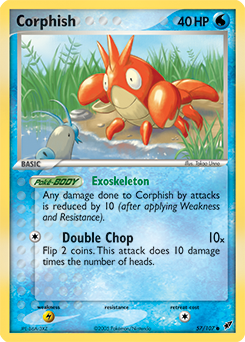
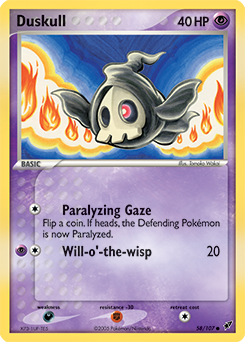
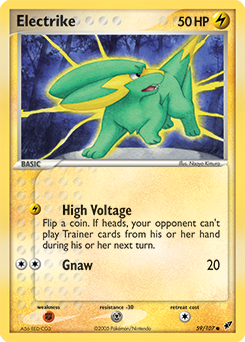
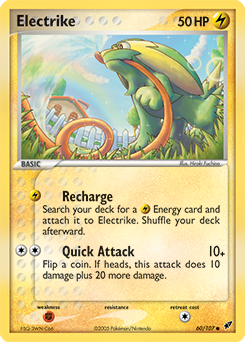
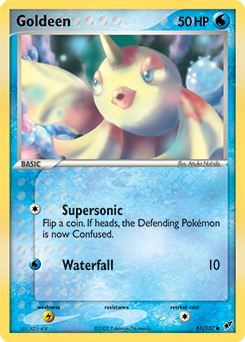

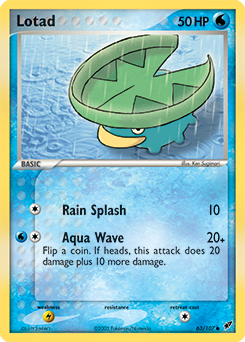
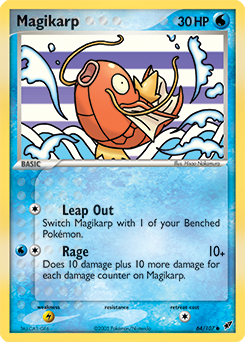
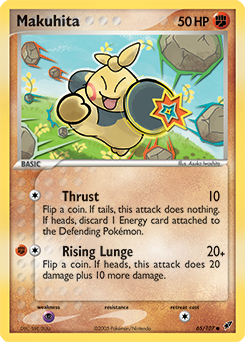
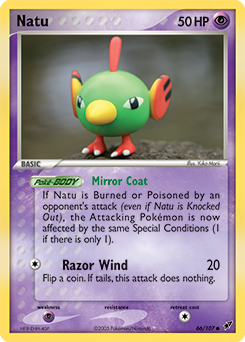
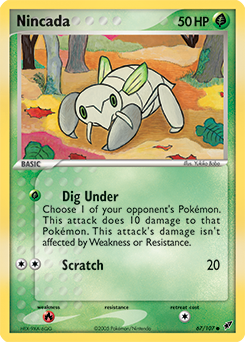
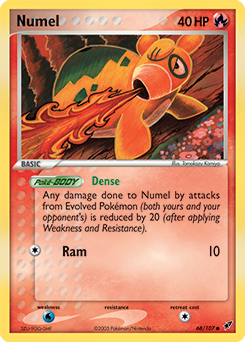
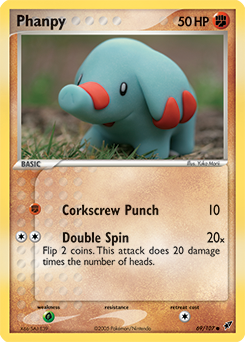
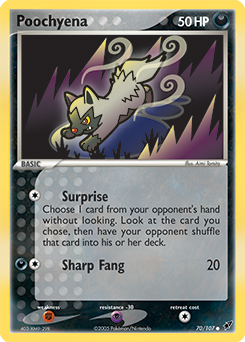
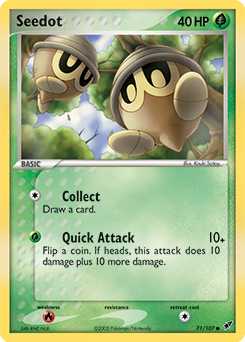
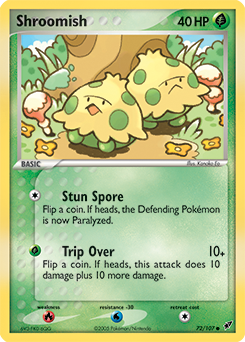
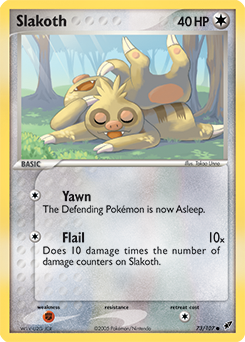
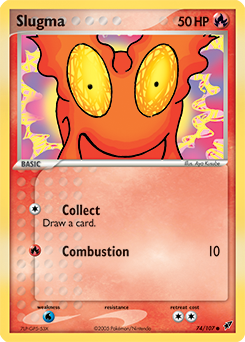
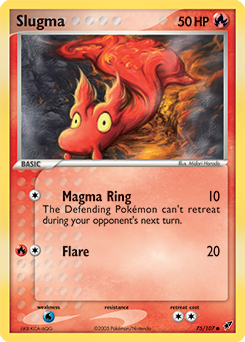
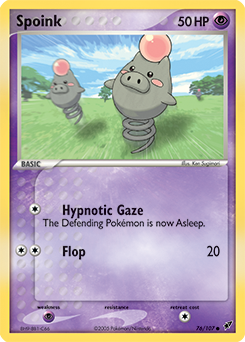
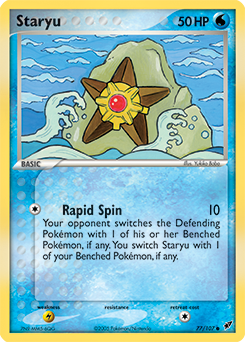


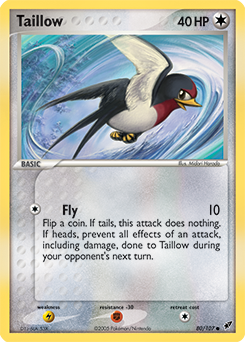

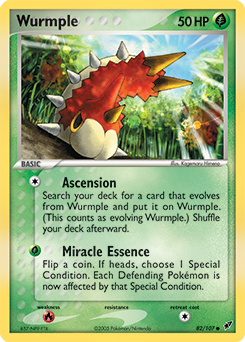
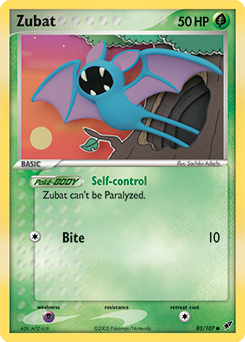
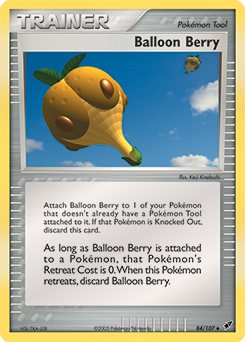
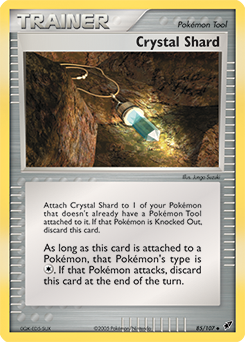
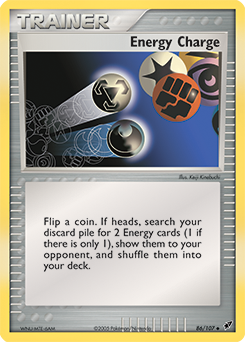


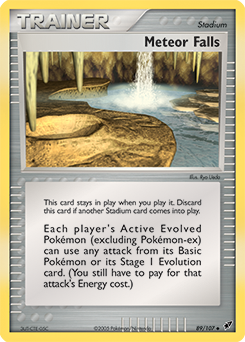
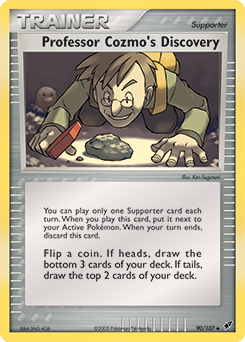
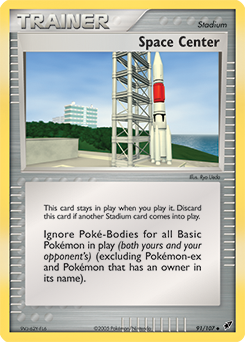
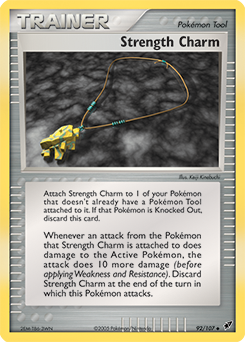
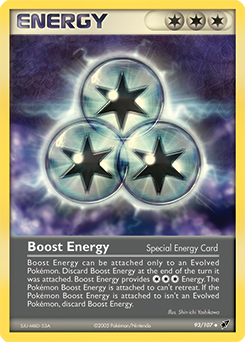
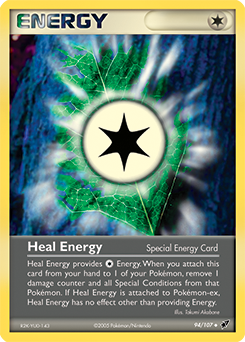
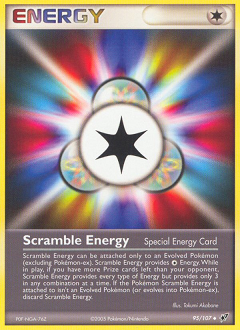
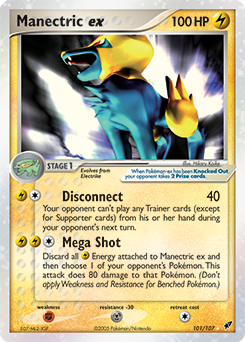
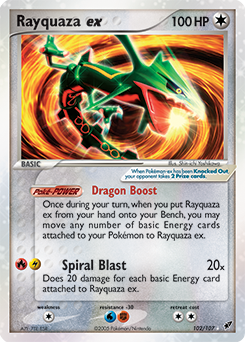
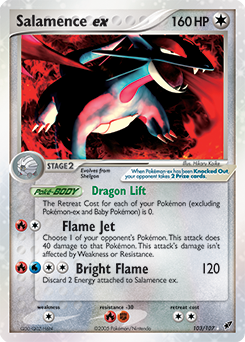
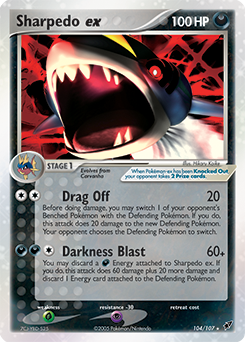
No cards match these filters.
§ 02 — About Deoxys
A look inside the set.
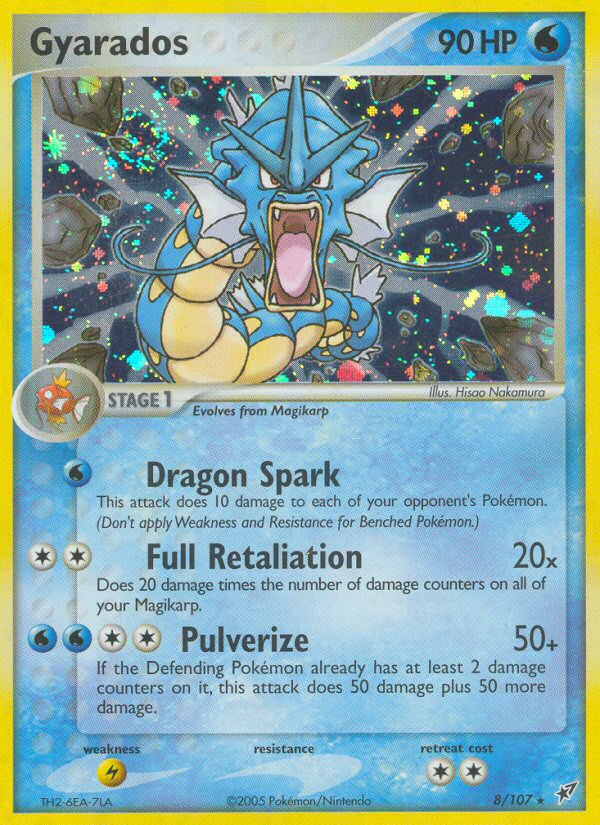
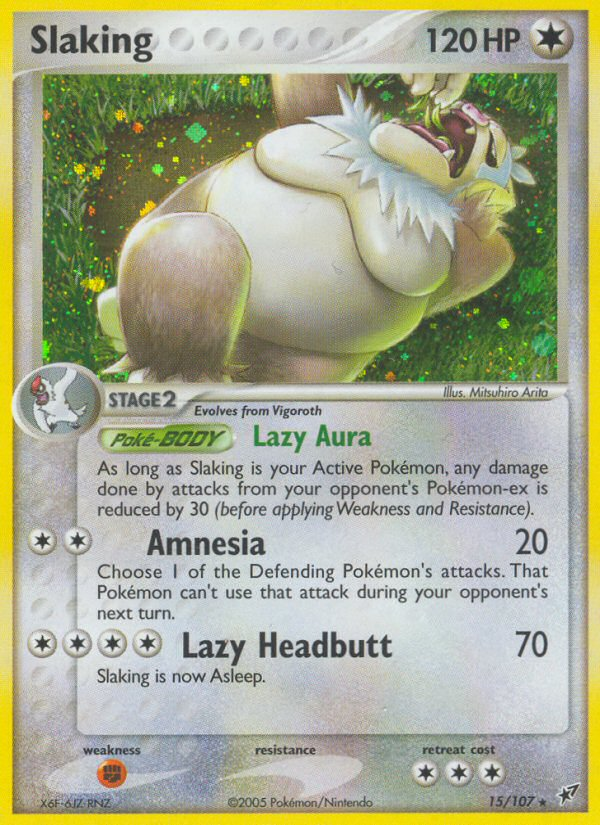
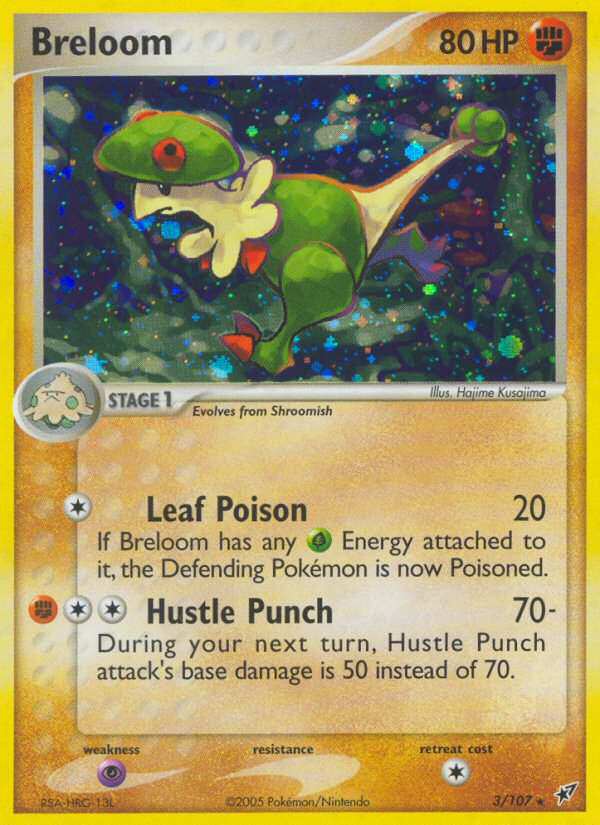
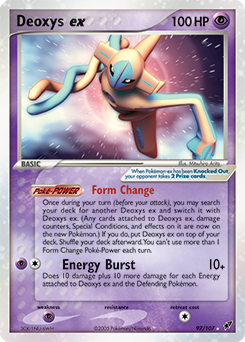
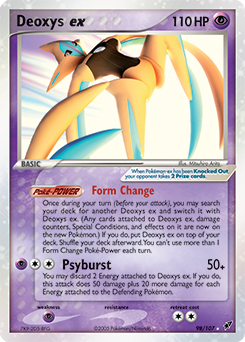
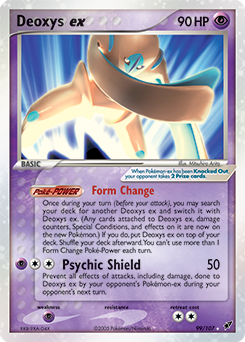
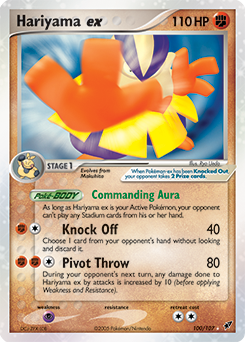
Deoxys, from the EX series, presents 108 cards with the emphasis firmly on Pokémon (96), supported by a concise Trainer suite (9) and a small Energy selection (3). Its rarity profile is broad—commons and uncommons form the core, while holo rares, ex cards, and a handful of Star and secret rarities add brighter peaks. Across the set, the prevailing look is playful and lighthearted, with vibrant color leading the palette and a preference for clean, readable layouts.
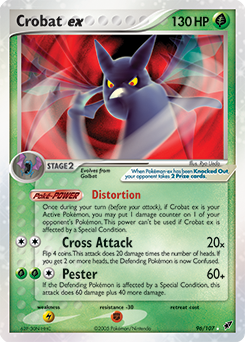
Most illustrations keep the subject centered and clear, using balanced framing and simple backgrounds to let character silhouettes and color contrasts do the work. When the set turns more energetic, it does so through dynamic posing rather than dense detail. Visual standouts include Crobat ex and Deoxys ex, both singled out for their overall art strength within the set. Among the most represented artists, Hisao Nakamura, Mitsuhiro Arita, Ken Sugimori, and Ryo Ueda help define the collection’s range—from straightforward character presentation to sharper, more motion-driven moments.
I · Visual identity
Deoxys reads bright and immediate: vibrant, often contrasting color palettes paired with cartoonish, colorful rendering. Compositions skew simple, balanced, and focused—subjects are typically isolated or cleanly staged—while the set’s more energetic cards introduce dynamic angles and action-forward posing without sacrificing clarity.
II · Illustrators
The set’s visual baseline is shaped by its most frequent contributors: Hisao Nakamura, Mitsuhiro Arita, Ken Sugimori, and Ryo Ueda. Together they cover a spectrum from clean character-forward presentation to more dynamic, motion-oriented scenes, aligning with the set’s overall preference for readable, color-led design.
§ 03 — Featured
Cards worth lingering on.
Editorial picks — by visual identity, mood, and the work that defines this set's character.
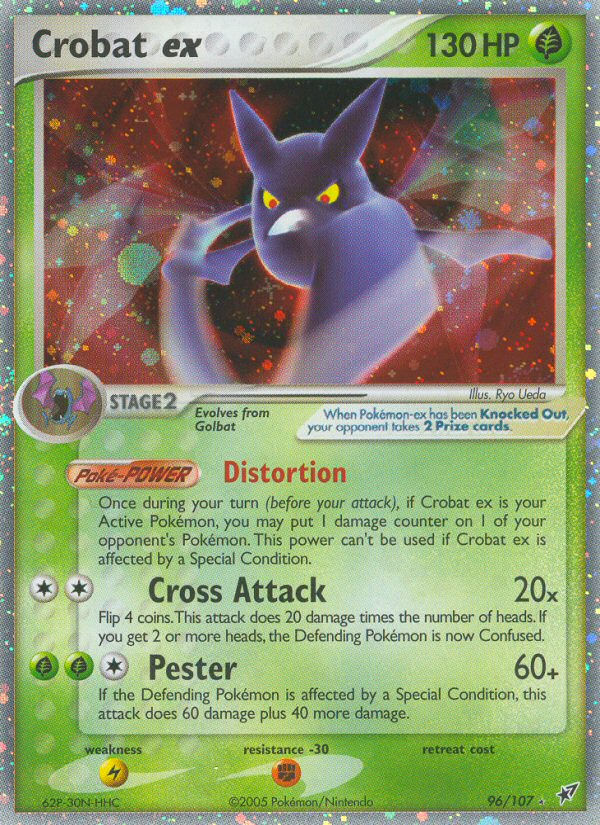
Crobat ex
№ 096
by Ryo Ueda
Rare Holo EX
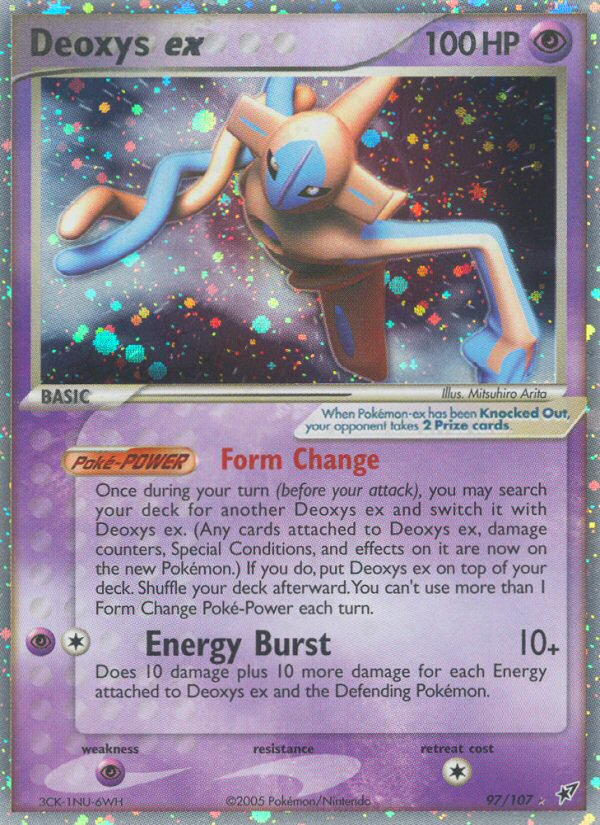
Deoxys ex
№ 097
by Mitsuhiro Arita
Rare Holo EX
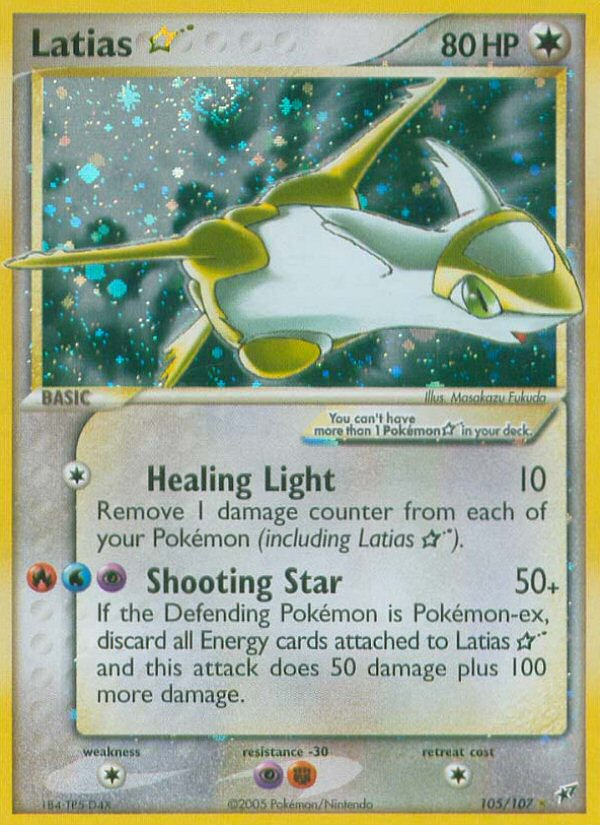
Latias ★
№ 105
by Masakazu Fukuda
Rare Holo Star
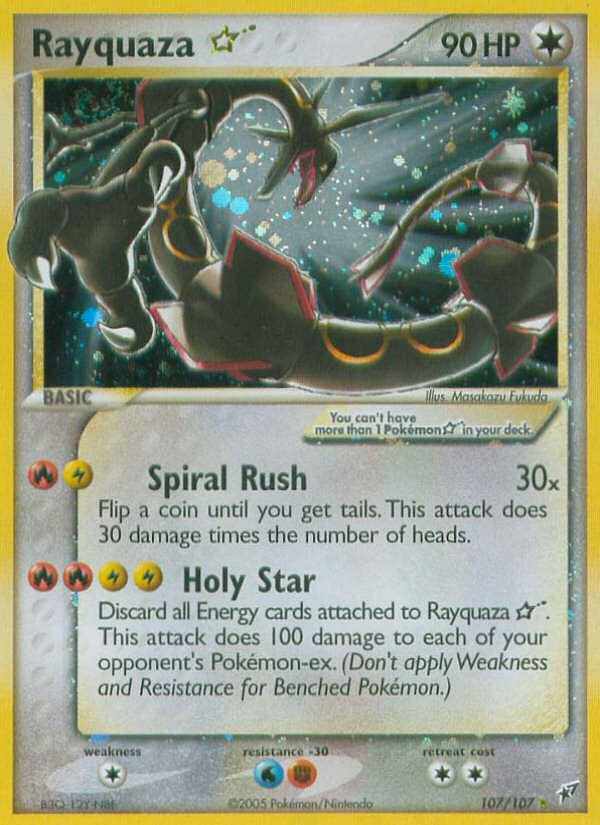
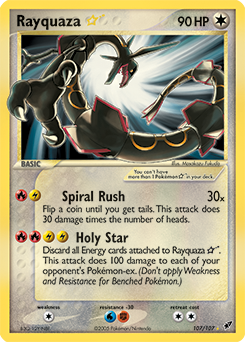
Rayquaza ★
№ 107
by Masakazu Fukuda
Rare Holo Star
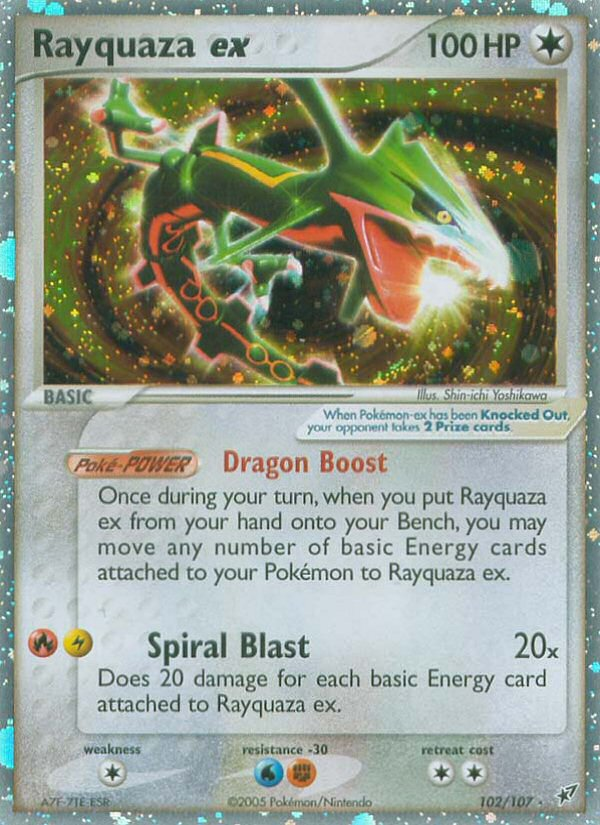
Rayquaza ex
№ 102
by Shin-ichi Yoshikawa
Rare Holo EX
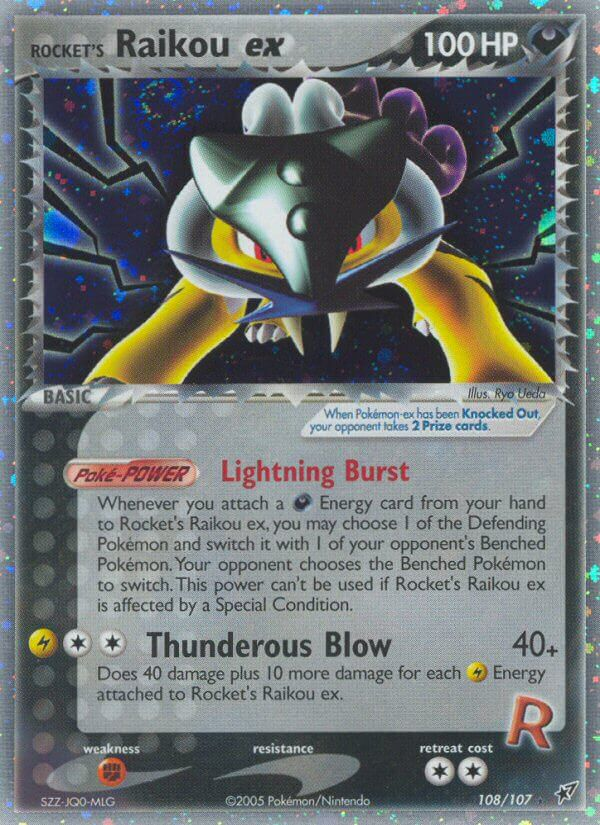
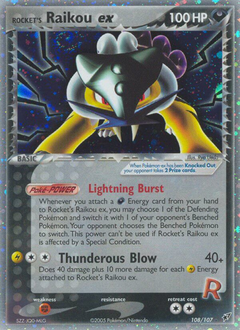
Rocket’s Raikou ex
№ 108
by Ryo Ueda
Rare Secret
§ 04 — Entry points
Two ways in.
By the hands behind it, or by the Pokémon featured. Both threads continue across the wider Artchu catalogue.